
Cybersecurity Leaders Discuss the Future of AI Agents at RSAC 2026
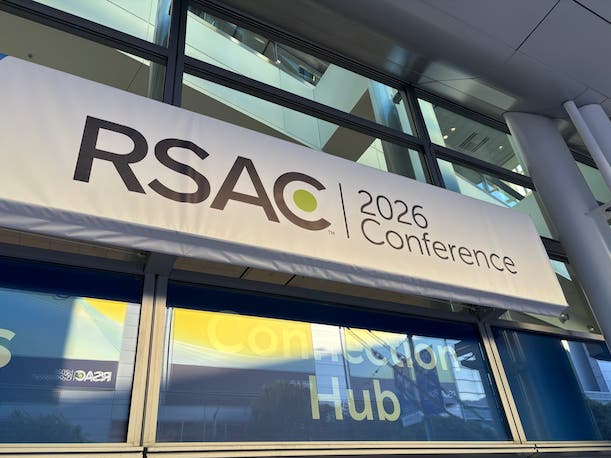
In an insightful dialogue at the RSAC 2026 conference held in San Francisco, top executives from leading cybersecurity firms, including CrowdStrike, SentinelOne, and Netskope, shared their perspectives on the evolving landscape of artificial intelligence (AI) and its implications for the cybersecurity industry. Their discussions, captured by CRN, highlight both the transformative potential of AI and the challenges that lie ahead.
The rapid adoption of AI technologies signals an accelerating demand for cybersecurity tools and services, but there remains significant uncertainty regarding how these developments will influence the workforce and the broader security framework. The executives collectively acknowledged that while AI promises enhanced efficiency and security, it also poses inherent risks that must be navigated carefully.
The event featured insights from leaders of 15 prominent cybersecurity companies, unveiling a wealth of knowledge on how they perceive the trajectory of AI agents and the issues that warrant close attention. The roundtable discussion underscored recurring topics such as the reshaping of cyber risk landscape, the augmentation versus replacement of the human workforce, and the need for strategic governance surrounding AI implementations.
George Kurtz, Co-Founder and CEO of CrowdStrike, articulated concerns regarding the burgeoning risks associated with uncontrolled AI agents. Highlighting the capabilities of these agents—many of which operate with access to sensitive data on user devices—Kurtz emphasized the fear of malicious exploits arising from such access. He pointed out that while the technology has advanced, the understanding of its potential for harm, particularly in scenarios like the OpenClaw model, needs to evolve. "If these agents have access to data and workflows, how do organizations even begin to track their actions?" he questioned, illustrating the imperative for enhanced oversight and governance mechanisms.
Tomer Weingarten, from SentinelOne, shared similar sentiments, stressing the impact of AI on security operations. He framed AI agents as novel "employees" within organizations’ societies—or Security Operations Centers (SOCs), emphasizing the pressing need for human oversight in conjunction with increased automation. "While automation can scale operations, it inevitably also generates more tasks for cybersecurity teams," Weingarten explained, pointing out the ongoing labor shortage in cybersecurity. This notion resonated throughout discussions, indicating that the paradigm of AI within this space is complex and multi-faceted.
Sanjay Beri, CEO of Netskope, highlighted another layer to the discussion by addressing the speed at which Chief Information Security Officers (CISOs) are adapting to AI technologies. According to Beri, the challenge lies in balancing the rapid deployment of AI with the necessary governance frameworks. He noted that CISOs are increasingly motivated to educate themselves on AI, acknowledging that decisions made hastily could have lasting repercussions on their organizations. This urgency reflects a marked shift in the cybersecurity landscape, where decision-makers are now forced to prioritize AI governance while simultaneously navigating the swift currents of technological adoption.
The necessity for proactive engagement by cybersecurity teams was echoed by Sumit Dhawan, CEO of Proofpoint. He noted a troubling trend of security teams hesitating as AI technologies take center stage within their organizations. "Cyber teams need to ensure they are not sidelined," Dhawan emphasized, urging security professionals to actively participate as organizations pursue AI integration. This perspective underscores the vital role that cybersecurity teams play in protecting organizational assets in an increasingly digitized environment.
In another poignant contribution, Nick Schneider, CEO of Arctic Wolf, articulated a need to determine which cybersecurity workflows may be suited for automation versus those that still require human involvement. Schneider expressed a cautious optimism regarding the gradual increase in automation levels in security operations, recognizing that some workflows may remain too sensitive to allow for full autonomy. His thoughts reflect an industry grappling with how best to leverage AI without compromising on security vulnerabilities.
With various leaders sharing their thoughts, Joe Levy, CEO of Sophos, posited that the seismic shift brought by AI presents an unparalleled market opportunity for cybersecurity firms. He suggested that the overwhelming number of ongoing digital transformations across all sectors will require comprehensive security solutions, representing a significant business potential for those engaged in cybersecurity.
As discussions unfolded, insights from Christy Wyatt of Absolute Security underscored the critical need for intelligence to reside at the device level, advocating for self-healing capabilities in applications, operating systems, and networks. The call for devices to autonomously monitor their health rekindles the debate over the degree of independence that AI agents should possess.
Meanwhile, leaders like Marc van Zadelhoff, CEO of Mimecast, and Art Gilliland, CEO of Delinea, expressed the need for a return to foundational cybersecurity principles. They questioned whether AI should be viewed as a novel paradigm in security or simply another evolution within a well-established framework.
As the conference peaked, topics delved into the uncertainties surrounding AI’s role within cybersecurity workforces—a matter echoed by Sanaz Yashar, CEO of Zafran Security. She raised pressing questions about workforce dynamics: will AI serve to augment human efforts or entirely replace them? This uncertainty reflects a broader concern throughout the industry as organizations strive to harness emerging technologies while ensuring their strategic workforce planning remains intact.
As the discussions shed light on the complicated tapestry of challenges and opportunities surrounding AI in cybersecurity, it is clear that the landscape will continue to evolve. The insights from these industry leaders illustrate the pressing necessity for organizations to remain vigilant, proactive, and adaptable in the face of rapid technological advancement and the dynamic nature of cyber threats. The interplay between AI, workforce dynamics, and cybersecurity protocols heralds a new chapter, one that will significantly shape the industry’s future.