
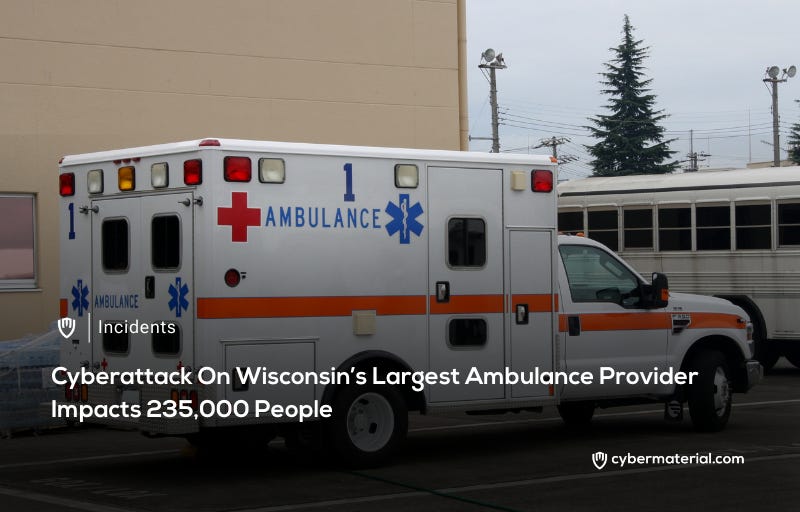


Cyberattack on Wisconsin’s Largest Ambulance Provider Compromises Sensitive Data of Over 235,000 Individuals
In a troubling development, Bell Ambulance, Wisconsin’s largest ambulance service, has confirmed that its systems suffered a severe breach due to a cyberattack attributed to the Medusa ransomware gang in 2024. This incident, now classified as one of the most significant data breaches in recent memory, has led to the exposure of sensitive personal information belonging to more than 235,000 individuals. This compromised data includes Social Security numbers, medical records, and financial accounts, prompting the FBI to issue urgent warnings about the hacking group’s aggressive tactics targeting critical infrastructure.
The breach was revealed through official filings by Bell Ambulance, which operates as a vital emergency service provider across several cities in Wisconsin. Notably, the company identified the intrusion in February 2025 and promptly enlisted the help of cybersecurity experts to manage the situation. Initial recovery efforts began in the spring; however, the full extent of the breach became apparent only as the months progressed and more victims were identified. Ultimately, nearly 238,000 individuals are believed to have been affected, raising significant concerns about their privacy and security.
Amidst the chaos, the specific details of the compromised data have alarmed both the company and affected individuals. Hackers extracted a wide range of personal information, such as driver’s license numbers, health insurance details, and specific medical histories. This level of exposure is particularly alarming given that Bell Ambulance handles approximately 140,000 calls annually, employing hundreds of staff members who interact with a diverse demographic of patients and clients throughout the region.
The Medusa ransomware gang, which later claimed responsibility for the attack, demanded a ransom payment of $400,000 to prevent public release of over 200 gigabytes of the stolen data. Operating on a ransomware-as-a-service model, this criminal organization has been active since mid-2021, specializing in high-impact attacks on essential services like healthcare and governmental institutions. Their history of targeting critical infrastructure has prompted federal authorities to scrutinize their methods and patterns of operation closely.
In the wake of the ambulance service’s breach, the FBI, along with other law enforcement agencies, issued an urgent advisory about the Medusa gang and its ongoing campaigns against vital entities. The organization has gained notoriety for successfully targeting a wide variety of high-profile institutions, including medical firms, manufacturing companies, and even renowned organizations like NASCAR. To date, the Medusa gang has reportedly been involved in over 300 attacks against critical infrastructure across multiple states, underscoring the increasing vulnerability of such sectors to cyber threats.
Law enforcement officials have also noted the sophisticated extortion techniques employed by the Medusa group. They’ve utilized multiple "triple extortion" schemes, wherein victims are pressured by various operatives within the same criminal enterprise even after an initial ransom payment is made. This tactic further complicates recovery efforts for individuals and organizations facing cyber extortion. As a result, the attack on Wisconsin’s emergency infrastructure serves as a stark reminder of the lingering dangers posing risks to the medical sector and the challenges inherent in navigating the aftermath of such modern cybercrimes.
The repercussions of this breach extend beyond the immediate data loss, highlighting the long-term risks associated with inadequate cybersecurity measures in essential services. As the healthcare sector becomes increasingly digitized, the vulnerabilities associated with data breaches not only threaten the privacy of individuals but can critically impact the operations of emergency service providers like Bell Ambulance.
In conclusion, the escalating threat posed by groups like the Medusa ransomware gang underscores the urgent need for substantial investments in cybersecurity and risk management strategies. As incidents like this become more frequent, stakeholders across the healthcare sector must prioritize the protection of sensitive data to safeguard against future breaches and secure the privacy and safety of those who rely on these essential services.