
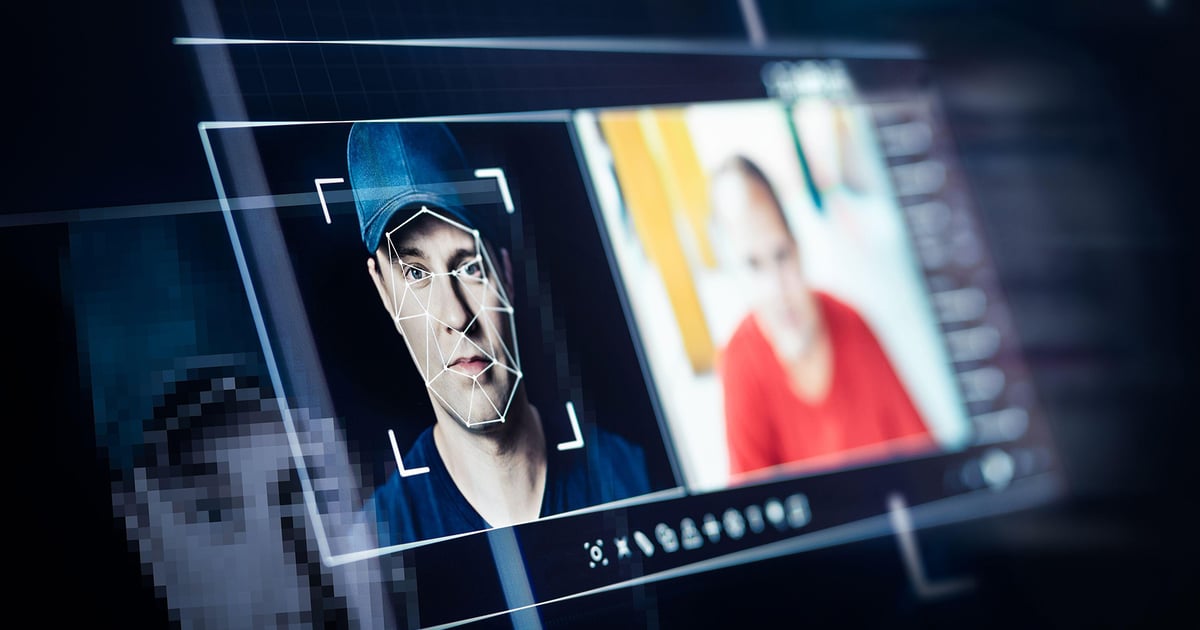


In the realm of cybersecurity, threats are constantly evolving, and cybercriminals are now utilizing advanced AI techniques to create fraudulent content that is alarmingly realistic. This trend poses a significant security challenge for individuals and businesses as they navigate the increasingly sophisticated landscape of cyber threats.
One of the primary techniques being leveraged by cybercriminals is generative AI (GenAI), which enables the creation of deepfakes – manipulated audio and video content that can be used to deceive individuals and organizations. While deepfake technology has predominantly been associated with high-profile individuals such as politicians and celebrities, its use in defrauding individuals and businesses of substantial sums of money is on the rise.
According to a study by Deep Instinct, 85% of security professionals attribute the increase in AI-based cyberattacks to generative AI. This highlights the growing prevalence of these advanced techniques in the realm of cybersecurity and the urgent need for enhanced security measures to combat these threats.
Recently, a financial worker in Hong Kong fell victim to a deepfake scam, resulting in the transfer of $25 million to criminals during a multiperson deepfake video call. While such sophisticated scams are still relatively rare, advancements in technology are making them increasingly feasible and lucrative for cybercriminals. In another tactic, cybercriminals are targeting specific individuals by impersonating their superiors over the phone, leading to significant financial losses for organizations.
The use of biometric data in fraudulent activities is also a growing concern, particularly given the widespread adoption of biometrics for access control. Criminals have been able to exploit biometric data to carry out various fraudulent activities, such as opening fake bank accounts and making unauthorized purchases. This highlights the need for robust authentication and identity verification measures to protect against such fraudulent activities.
Injection-based attacks, where fake evidence is injected into security systems using biometric data, have also seen a significant increase. These attacks have grown by 200% in 2023, according to Gartner, and pose a major threat to organizations relying on biometric security measures. It is essential for organizations to stay vigilant and implement comprehensive security measures to mitigate the risk of such attacks.
To address the evolving threat landscape, Chief Information Security Officers (CISOs) are advised to take proactive steps to minimize AI-based fraud. Rooting out caller ID spoofing, leveraging AI analytics to combat fraud, focusing on data quality, and understanding network behavior patterns are crucial elements in strengthening cybersecurity defenses against AI-driven threats.
By adopting a zero-trust approach, improving data quality, and utilizing predictive analytics powered by AI, organizations can enhance their ability to detect and respond to sophisticated cyber threats. In an era where cybercriminals are increasingly leveraging AI for fraudulent activities, businesses must remain vigilant and proactive in safeguarding their assets and reputation in the face of evolving cybersecurity challenges.