
Ransomware continues to be a persistent and growing threat in the world of cybersecurity. Over the past three decades, this form of data theft extortion has plagued organizations of all sizes and types. Despite advancements in security measures, ransomware attacks follow a consistent series of steps, beginning with malware distribution and ending in extortion.
Understanding the lifecycle of ransomware attacks is crucial for security teams in their efforts to defend against such threats. The typical ransomware lifecycle involves several stages that threat actors follow to successfully carry out their attacks. These stages provide important insight into how to prevent and mitigate the impact of ransomware attacks.
The first stage of the ransomware lifecycle is malware distribution and infection. Threat actors distribute malware through various methods, with email being the most common. They use social engineering tactics to make these emails appear legitimate, often including malicious attachments or embedded URLs in phishing emails. When unsuspecting users download and open these attachments or click on malicious links, the malware is initiated and infects the endpoint.
Other methods of ransomware distribution include exploiting unpatched software vulnerabilities, exploiting Remote Desktop Protocol, stealing credentials, infecting removable devices like USB thumb drives, and targeting pirated software. It is essential for organizations to be aware of these distribution methods and take steps to mitigate the risks associated with them.
Once the malware successfully infects a device, it establishes communication with a command-and-control server (C&C server) controlled by the threat actors. This stage, known as command and control, involves the server sending encryption keys to the infected device. It may also download additional malware and software to facilitate further network exploration and movement in the next phase of the attack. Threat actors may delay communication with the C&C server to avoid detection by malware prevention tools.
In the discovery and lateral movement stage, a compromised device begins to spread the infection to other targets. This phase involves gathering information about the IT environment and finding ways to infiltrate additional devices to gain access to the network’s most valuable assets. Threat actors exploit stolen credentials, software vulnerabilities, and network misconfigurations to achieve lateral movement and privilege escalation. This stage can last for months as attackers try to establish a persistent foothold without revealing their presence.
Next, in the malicious data theft and file encryption stage, threat actors scan infected devices and upload valuable data to the C&C server. They may perform data exfiltration slowly over a period of weeks or months to avoid detection. Once the data exfiltration is complete, the ransomware encrypts the local data on the targeted devices using the encryption keys provided by the C&C server.
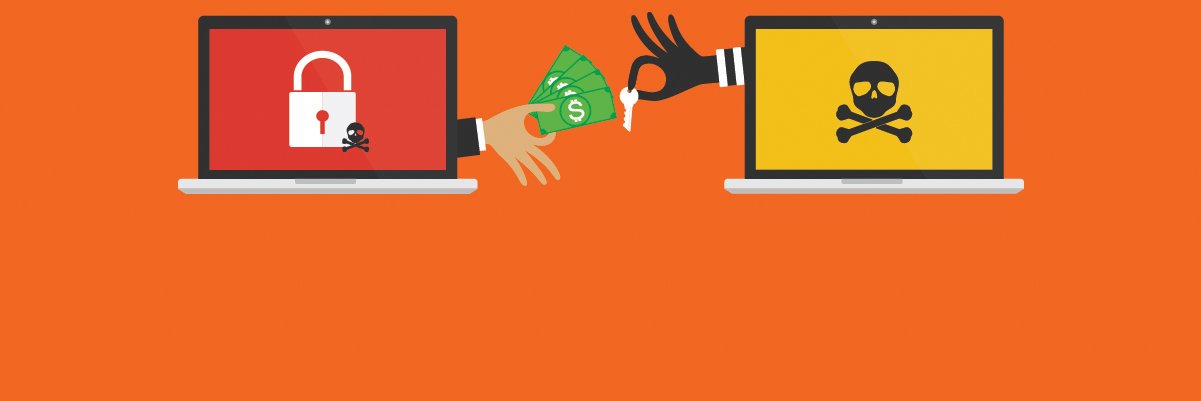
Finally, the extortion stage begins, where the ransomware operators demand payment in exchange for the decryption key. Victims typically receive a message that includes information about the infection, the ransom amount, instructions for payment, and a countdown timer. Double-extortion ransomware involves the threat of publicly releasing the stolen data, while triple-extortion ransomware may involve additional elements like DDoS attacks or extortion of customers or partners.
Only at the sixth stage of the ransomware lifecycle do many victims become aware of the infection and extortion attempts. At this point, the security team must act quickly to isolate the infection by disconnecting and shutting down affected devices. Depending on the severity of the attack, organizations may be able to restore critical data from offline backups and resume operations without engaging with the attackers. In other cases, organizations may have to choose between paying the ransom, negotiating with the attackers, or rebuilding their IT systems from scratch.
It is important to note that paying a ransom does not guarantee the return of data. Organizations are advised to report ransomware attacks to the authorities and take steps to strengthen their cybersecurity defenses. Defending against ransomware requires a multi-layered approach that includes foundational security measures like firewalls, intrusion prevention systems, off-site backups, and multifactor authentication.
Additionally, organizations should implement advanced security tools and techniques such as automated patch management to address software vulnerabilities, antimalware and antivirus software to identify and prevent known ransomware variants, anomaly detection software to identify suspicious activity, and network microsegmentation to restrict lateral movement.
Finally, continuous cybersecurity awareness training for employees is crucial. End users often remain the weakest link in an organization’s security posture, and they must be able to recognize and resist threat actors’ attempts to trick them into installing malware.
In conclusion, ransomware attacks continue to be a significant threat to organizations. Understanding the lifecycle of ransomware attacks is essential for security teams to effectively defend against these threats. By implementing comprehensive security measures, organizations can mitigate the risks associated with ransomware and protect their valuable data from extortion attempts.