
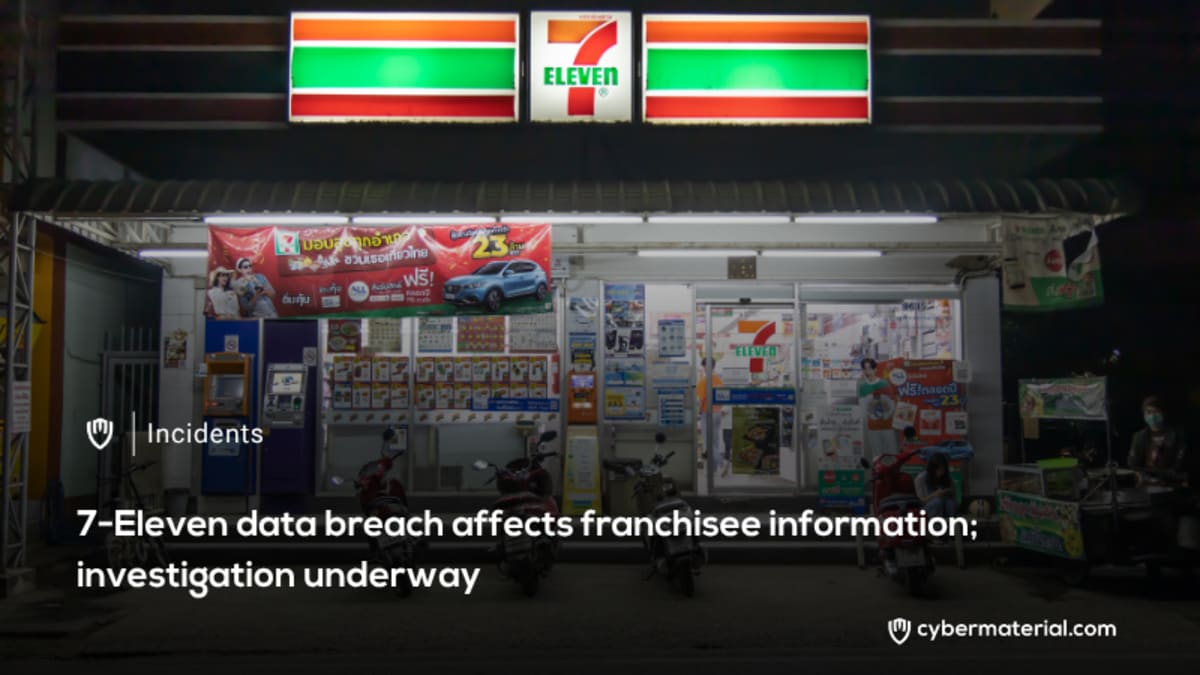
7-Eleven Confirms Data Breach Impacting Franchisees
In a troubling announcement, 7-Eleven has confirmed that it has suffered a data breach that has compromised the sensitive information of its franchisees. Chief Information Security Officer Jim Kastle has outlined the company’s response, which includes launching an investigation with the assistance of external cybersecurity specialists and notifying law enforcement.
This incident marks a significant event for 7-Eleven, one of the world’s largest convenience store chains, which operates thousands of locations through a franchise model. Despite the acknowledgment of the breach, detailed information regarding the attack’s nature, the number of franchisees affected, and the specific types of data accessed by unauthorized parties remains unclear.
The involvement of third-party cybersecurity experts indicates that 7-Eleven is pursuing a detailed forensic investigation designed to uncover the full extent of the breach. This type of thorough response is typical for organizations facing security incidents, and it is crucial for identifying how attackers gained access, what data was compromised, and whether any additional systems remain vulnerable.
Notifications to law enforcement agencies are a critical component of the response protocol, as various data breach regulations require it. Law enforcement involvement can also aid in efforts to track down potential perpetrators of the attack, adding an extra layer of urgency to the situation.
Franchisees face various risks stemming from this breach, depending on the nature of the information exposed. Franchisee data typically encompasses a range of sensitive details, such as financial records, business agreements, personal identification information of the franchise owners, and operational specifics. If such information finds its way into the hands of malicious actors, it opens the door to identity theft, financial fraud, and targeted phishing attacks against franchise operators.
To mitigate the risks arising from the breach, affected franchisees are advised to take immediate action. They should diligently review their financial accounts for any unauthorized transactions and consider placing fraud alerts on their credit reports as a precautionary measure. Additionally, vigilance against phishing emails or phone calls referencing the breach is essential, as scammers may exploit the situation to appear credible and launch further attacks.
It is anticipated that 7-Eleven will offer additional guidance to franchisees as the investigation unfolds. Potential measures may include providing credit monitoring services or other supportive resources to help mitigate the impact of the data breach.
The gravity of this incident cannot be understated, especially considering the vast number of franchisees relying on the company’s infrastructure to run their businesses. With thousands of locations operating under the 7-Eleven banner, the security of sensitive information is paramount. As the company works to resolve this issue, franchisees and customers alike will be watching closely to ensure that steps are taken to prevent similar incidents in the future.
In conclusion, while the specifics of how the breach occurred are still being investigated, the incident serves as a stark reminder of the importance of cybersecurity across all sectors, particularly in organizations with extensive franchise operations. Stakeholders are left to consider the broader implications of such a breach, not only for the affected franchise owners but also for the reputation and operational integrity of 7-Eleven as a whole. As the company continues to navigate the complexities of this situation, the commitment to transparency and remedial action will be critical in restoring trust and confidence among its franchisees and customers.
As more information becomes available regarding the breach and potential risks, stakeholders must stay alert and engaged, reinforcing best practices around data security in this increasingly digital age.