
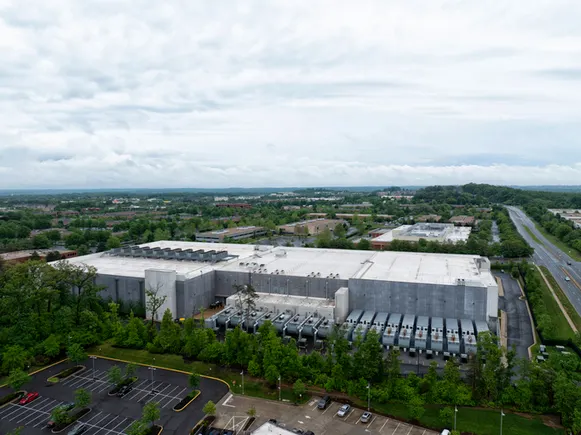


In a recently conducted poll by the University of Houston, an overwhelming 99% of likely Texas voters expressed strong support for a proposal that would mandate data centers to finance improvements to the state’s electrical grid. This finding emerges amidst ongoing discussions around the necessity of updating Texas’s energy infrastructure to accommodate the growing demands of large electricity consumers.
As the demand for data centers has surged, particularly with the rise of cloud computing and advanced digital services, the state has recognized the potential strain these facilities may place on its existing power grid. Data centers, which are vital for housing computer systems and related components, require substantial electricity to operate efficiently. The increased reliance on these data processors raises important questions about the sustainability and reliability of Texas’s energy resources.
The poll highlights a significant shift in public sentiment concerning how responsibilities are allocated in maintaining the grid, which has become a pressing issue for Texans in recent years. The state has faced various challenges regarding its electric infrastructure, exacerbated by extreme weather events that have exposed vulnerabilities in the system. Respondents to the survey appear to believe that major energy users, including tech companies operating massive data centers, should share the burden of upgrading the grid, thus ensuring that it can meet future demands without compromising service reliability for everyday citizens.
State lawmakers are currently deliberating the establishment of new regulations that would create financial frameworks for large electricity users. This proposal has the potential to reshape the energy landscape in Texas significantly, as it aims to integrate modern technological demands into the electrical supply equation. A prerequisite for the implementation of these regulations would be a collective agreement among stakeholders on the anticipated costs and the mechanisms to appropriately fund necessary infrastructure upgrades.
Support for this initiative reflects a growing recognition of data centers’ integral role in the economy, paired with an understanding that they must contribute equitably to the state’s energy costs. Given the scale at which these data facilities operate, poll participants appear to advocate for a system where those who draw the most power also play a significant role in enhancing the infrastructure that supports their operations.
The data centers’ influence on the Texas economy cannot be overstated. They are considered mainstays, providing not only technical services but also job opportunities across various sectors. Hence, their continued operation hinges significantly on ensuring that the energy grid can handle extensive loads without frequent disruptions.
Moreover, recent discussions surrounding grid reliability have become intertwined with the dialogue on sustainability. Many voters have expressed concern over the environmental implications of power generation, particularly as data centers are being scrutinized for their energy consumption patterns. By opting for a funding model that involves data centers, state officials might be nudging these enterprises towards more sustainable practices while simultaneously addressing the grid’s immediate needs.
As discussions progress, it will be critical to monitor how lawmakers balance these complex interests. With 99% of likely voters backing the notion that data centers should bear some responsibility for grid improvements, state representatives face considerable pressure to craft policies that resonate with their constituents while also fostering a conducive environment for technological advancement and economic growth.
In conclusion, the University of Houston poll signals a robust mandate from the Texas electorate. It underscores not only the public’s desire for a reliable power grid but also hints at a more inclusive energy policy moving forward. The implications of these findings extend beyond immediate regulatory measures; they set the stage for a future where energy infrastructure and technological evolution can coexist sustainably, ensuring that Texas remains competitive in a rapidly developing digital landscape.