
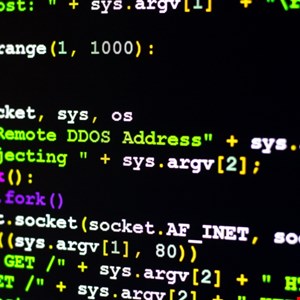


In a significant multinational enforcement operation, law enforcement agencies have successfully dismantled 53 online domains linked to Distributed Denial of Service (DDoS) attacks. This effort also led to the arrest of four individuals believed to be involved in providing DDoS-for-hire services, a growing threat in the realm of cybercrime.
The operation, dubbed Operation PowerOff, showcased a collaborative effort involving police and cybersecurity organizations from 21 different countries. Their combined resources were strategically mobilized to combat the rising threat of DDoS attacks, which have been characterized as one of the most accessible forms of cybercrime. The coordinated measures aimed not only at enforcement but also at prevention, highlighting a comprehensive approach to mitigate the impact of such cyber threats.
In a statement released on April 16, Europol characterized DDoS-for-hire attacks as one of the most pervasive and easy-to-execute forms of cybercrime. These attacks empower individuals with minimal technical expertise to launch cyber offensives by simply following available step-by-step tutorials. Europol emphasized the damaging effects of these attacks, noting that they significantly disrupt businesses and individuals alike by rendering servers, websites, and online services inaccessible to legitimate users.
To disrupt the operation of illegal "booter" services—platforms enabling individuals to hire DDoS attacks—the enforcement agencies targeted the very infrastructure that sustains these services. This included shutting down various servers and databases that facilitate DDoS activities. The strategic seizure of this infrastructure has considerably hampered the operations of these DDoS-for-hire services, preventing further attacks on unsuspecting victims and thereby securing the online environment for a wider audience.
Moreover, the operation yielded the seizure of substantial data, uncovering information related to over three million criminal user accounts involved in these illicit activities. The outcome of this intelligence-gathering effort was significant: not only were 53 domains shut down, but more than 100 URLs advertising DDoS-for-hire services were removed from search engine results, effectively diminishing the accessibility of such services.
In addition to these enforcement actions, law enforcement agencies took critical steps to inform the public about the risks associated with DDoS-for-hire services. Utilizing the data obtained from the user accounts, authorities sent out approximately 75,000 warning emails and letters to the individuals utilizing these services. Furthermore, additional warnings were disseminated across cryptocurrency and blockchain platforms commonly employed by cybercriminals for payment transactions related to DDoS services.
The FBI, a key player in this operation, emphasized the importance of collaboration in combating cyber threats. In a statement regarding Operation PowerOff, the FBI asserted that its unique authorities, sophisticated capabilities, and established partnerships are vital components in the ongoing fight against cybercrime. It highlighted that no single government or private entity can tackle the pervasive risks of cyber threats in isolation, underscoring the imperative for international cooperation.
The collaborative nature of Operation PowerOff has underscored the contributions of various nations in the ongoing fight against cybercrime. The list of countries involved in this joint operation spans across continents, including Australia, Austria, Belgium, Brazil, Bulgaria, Denmark, Estonia, Finland, Germany, Japan, Latvia, Lithuania, Luxembourg, the Netherlands, Norway, Poland, Portugal, Sweden, Thailand, the United Kingdom, and the United States. This broad coalition reflects an international consensus on the need to address the challenges posed by cyber threats collectively.
As the operation continues, it serves as a potent reminder of the global commitment to enhancing cybersecurity measures and addressing the challenges posed by cybercriminal activities, particularly in the realm of DDoS attacks. Law enforcement agencies remain vigilant in their efforts to protect both individuals and organizations from the pervasive threat of cybercrime, ensuring a safer online environment for all.