
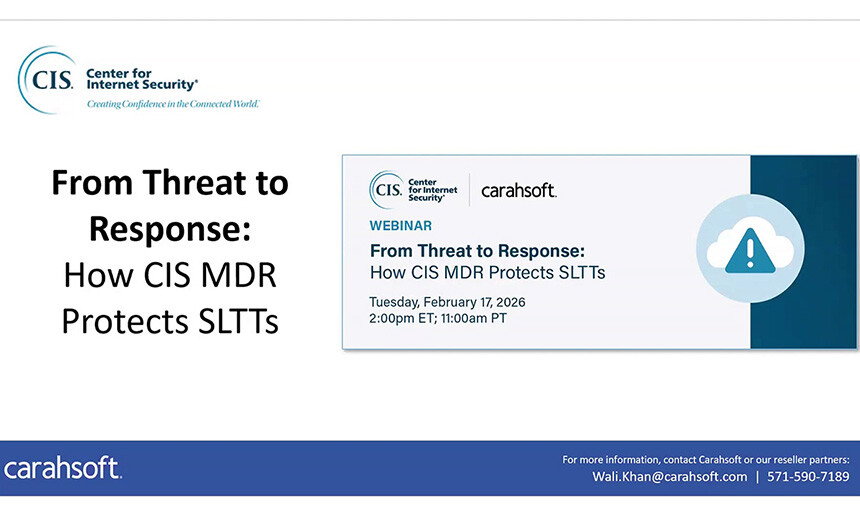


Rising Cyber Threats: The Challenges Facing SLTT Organizations
On March 13, 2026, the Center for Internet Security (CIS) highlighted a pressing issue confronting state, local, tribal, and territorial (SLTT) organizations: the escalating wave of cyber threats. In an era where the internet is an integral part of governance and public service, these organizations face an uphill battle. Cyber threats are becoming increasingly sophisticated, yet the teams tasked with defending against them are often significantly constrained by limited resources. As these groups attempt to maintain security, they grapple with a complex technological landscape while facing tight budgets and small staff sizes.
The seemingly constant influx of alerts can be overwhelming for IT and security leaders within SLTT organizations. The sheer volume of alerts often surpasses the capacity of available personnel to manage them effectively. This not only heightens the risk of overlooking critical alerts but also creates a stressful work environment for the professionals involved. The situation is exacerbated by the fact that it is no longer enough to simply halt potential threats; a more comprehensive approach is required to ensure swift and effective responses when incidents occur.
In response to these growing challenges, CIS has developed its Managed Detection and Response (MDR) service specifically designed for SLTT and educational environments. This initiative aims to provide continuous monitoring and protection across various endpoints, integrating threat intelligence tailored to the unique needs of these organizations. The CIS Security Operations Center supports this effort, ensuring that resources are in place to mitigate threats effectively.
CIS’s Managed Detection and Response offers key features intended to address the specific demands of SLTT organizations. To begin with, participants in an upcoming webinar will have the opportunity to learn about how CIS MDR provides protection that is not only accurate but also rich in context—far exceeding what is offered by generic MDR solutions. This tailored approach is critical, as the distinct operational challenges faced by SLTT organizations necessitate a level of service that recognizes and adapts to their specific environments.
Furthermore, one of the standout features of CIS MDR is its adaptability to decentralized operational frameworks and restricted staffing levels. This adaptability means that organizations can gain robust defense mechanisms without introducing additional layers of complexity. By offering scalable solutions, CIS ensures that even smaller organizations can implement effective cybersecurity measures without straining their limited budgets or staffing.
Another critical advantage of the CIS Managed Detection and Response program lies in its capacity to rapidly detect, contain, and resolve threats. The program is designed to minimize the potential impact and downtime that can result from successful cyberattacks. By leveraging advanced technology and experienced personnel, CIS MDR is well-equipped to mitigate the ramifications of a threat, thereby safeguarding vital public services and information.
The webinar will also present a real-world example that demonstrates the journey of a threat from initial detection to eventual resolution. This example will provide attendees with a clear understanding of what constitutes an effective response in practice. By learning from actual incidents, participants will be better prepared to implement proactive measures in their organizations.
As cyber threats continue to evolve, the importance of robust and responsive cybersecurity strategies cannot be overstated. For SLTT organizations, the stakes are high. They possess sensitive data and operate within critical frameworks that, if compromised, could have far-reaching consequences. As a result, investing in specialized solutions such as CIS’s Managed Detection and Response is not just advisable; it is essential.
The challenges posed by rising cyber threats are multifaceted, requiring innovative and effective solutions. Stakeholders within SLTT organizations must prioritize the integration of advanced cybersecurity measures to not only meet the current landscape of threats but also to prepare for the future. In doing so, they can pave the way for more secure and resilient operations, ensuring that they remain capable of serving their communities effectively in an increasingly digital world.