


The landscape of technology is constantly shifting, and few advancements have been more transformative than Artificial Intelligence (AI). For IT and security leaders, this evolution presents a complex interplay of advantages and vulnerabilities. On one hand, AI agents herald new horizons of operational efficiency, transforming how businesses operate at every level. On the other hand, these same technologies usher in sophisticated threats and intricate identity management challenges that can jeopardize the integrity of organizations.
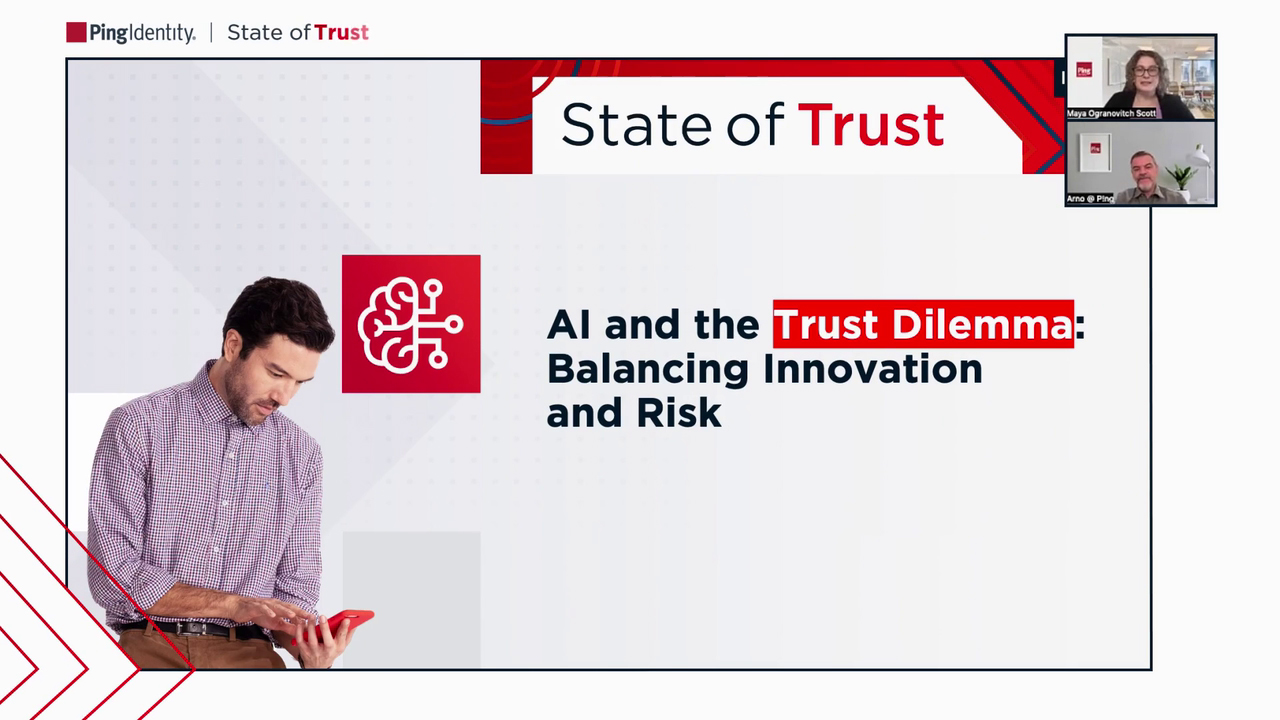
Recently, experts from Ping Identity convened to discuss what they termed the “State of Trust” in this new AI-centric environment. This engaging webinar drew upon insights from a comprehensive study involving over 700 IT decision-makers. The discussion spotlighted various critical aspects of identity management and security in the face of challenges posed by AI innovations.
A key focus of the webinar was the alarming ways in which cybercriminals are leveraging AI technologies. Notably, these digital offenders are employing AI techniques to commit advanced identity fraud and to create convincing deepfake content. Such practices not only threaten individual users but also have the potential to destabilize entire organizations. The ease with which malicious actors can mimic identities raises fundamental questions about existing security protocols and calls for an urgent reassessment of strategies used to safeguard data.
In light of these emerging threats, the experts underscored the inadequacy of traditional Identity and Access Management (IAM) methods. Most legacy systems are designed to protect human identities and are ill-equipped to manage the complexities associated with non-human identities, such as automated agents and systems. This limitation becomes particularly evident in cross-system workflows, where the risk of unmanaged access points can lead to substantial vulnerabilities. As organizations increasingly integrate AI-driven technologies, the need for a more agile and robust identity management approach becomes clear.
To effectively combat these AI-specific risks, the session highlighted the significance of implementing advanced security measures such as Zero Trust architectures, ephemeral access, and dynamic entitlements. The Zero Trust model challenges traditional assumptions about trust in network environments, advocating a “never trust, always verify” approach. This framework obligates organizations to authenticate every request, regardless of where it originates, thus minimizing the risks posed by both external and internal threats.
Moreover, ephemeral access comes into play as a vital strategy. By granting privileges that expire after a specific time frame or use case, organizations can significantly reduce the risk of unauthorized access stemming from compromised identities. Dynamic entitlements, meanwhile, enable the granting of permissions on a per-transaction basis, further enhancing security. Together, these strategies not only provide a stronger defense against fraudulent activities but also facilitate a more secure and efficient operational environment.
Ultimately, the discussion illustrated that as the sophistication of AI-infused threats escalates, so too must the responses of organizations aiming to thrive in this digital age. Learning from the insights presented, businesses can equip themselves to stay ahead of AI-based threats. The crucial takeaway emphasizes not just the risks, but also the incredible opportunities that AI can unlock if the necessary infrastructure and protocols are established. Establishing a secure foundation will allow organizations to harness the capabilities of autonomous digital workers, driving innovation and efficiency for the future.