


Recent Developments in Cybersecurity: A Rising Tide of Threats and Vulnerabilities
In a rapidly evolving landscape of cybersecurity, recent reports highlight significant advancements in the sophistication of attacks, particularly credential theft and social engineering tactics. These developments have not only raised alarms within the industry but have also underscored the pressing need for organizations to bolster their defenses against a new wave of threats.
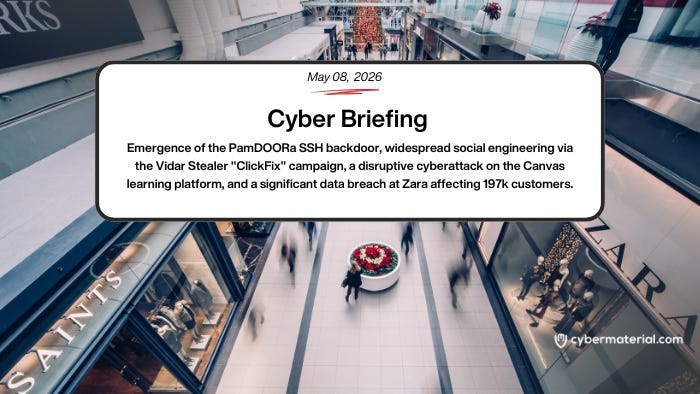
One of the most pressing concerns in this recent briefing is the emergence of a backdoor named "PamDOORa." This Linux-based malware is being sold on Russian cybercrime forums for an alarming $1,600. Designed to exploit the Pluggable Authentication Module (PAM), PamDOORa enables malicious actors to maintain persistent access to servers via Secure Shell (SSH). With the ability to bypass standard authentication methods by leveraging secret combinations of passwords and TCP ports, the malware represents a serious risk to server integrity. Organizations that deploy Linux servers with SSH access are advised to conduct thorough audits on their PAM configurations and remain vigilant for any unauthorized changes to authentication modules.
To compound the risks presented by the PamDOORa backdoor, a social engineering campaign known as "ClickFix" has been targeting WordPress sites. The Australian Cyber Security Centre (ACSC) has issued warnings regarding this campaign, which utilizes compromised websites and phony CAPTCHA prompts to fool users into installing a form of malware known as Vidar Stealer. Active since 2018, Vidar Stealer is capable of extracting sensitive login information. The ClickFix campaign ingeniously circumvents traditional security defenses by convincing users to manually execute harmful commands. In light of these developments, organizations are encouraged to adopt measures that include restricting unauthorized application execution and ensuring robust software patching protocols, especially for WordPress and web browsers.
In recent weeks, the repercussions of such cyber incidents have reverberated across various sectors, causing significant service disruptions and data breaches. Notably, the Canvas learning platform, widely used by educational institutions, fell victim to a cyberattack that rendered the system inaccessible during crucial final examination periods. This incident not only hindered students from accessing essential study materials but also raised questions about the resiliency of educational technological infrastructure. Institutions employing Canvas are recommended to communicate alternative access methods to students while continuously monitoring official updates concerning service restoration.
Moreover, a recent power-induced outage at Amazon Web Services (AWS) in the US-EAST-1 region brought to light vulnerabilities that can dramatically affect enterprise operations. On May 7, a thermal event led to cooling failures, resulting in elevated error rates and accessibility issues for numerous customers. AWS has acknowledged the slower progress in restoring normal temperatures compared to expectations. Organizations using the affected availability zone are advised to diversify their workloads across other US-EAST-1 zones, though longer provisioning times may hinder immediate solutions.
Furthermore, the retail sector remains an active target for malicious actors. A data breach at the well-known fashion retailer Zara has put nearly 197,000 customers’ sensitive information at risk. The exposure of such personal data underscores the urgent need for consumers to remain vigilant, monitoring their accounts closely for any suspicious activities and being particularly cautious of potential phishing attempts capitalizing on the breach.
While these incidents illustrate the increasing complexity and scope of cyber threats, new insights from a report analyzing over 25 million security alerts reveal a troubling phenomenon referred to as "alert fatigue." Security teams have become so inundated with a myriad of alerts, many of which are classified as low-severity, that they have adopted a strategy of ignoring substantial warnings. The findings indicate a critical need for organizations to refine their alert prioritization strategies, ensuring that significant threats do not go unnoticed amid the noise of excessive notifications.
In a separate but noteworthy development, Meta has escalated its challenge against Ofcom in the UK courts, focusing on the methodology utilized to calculate fines under the Online Safety Act. Meta argues that penalties should take into account revenue generated within the UK rather than using global turnover figures, which could potentially lead to exorbitant fines. The legal ramifications of this case could set important precedents for how tech giants are held accountable in future regulatory frameworks.
Finally, the 2026 ChicagoCISO ORBIE Awards honored exceptional chief information security officers from prestigious organizations, recognizing their commitment to excellence in cybersecurity leadership and innovation. This recognition provides a valuable platform for security professionals to showcase their achievements and benchmark their practices against industry standards, fostering a culture of continuous improvement in cybersecurity measures.
As organizations navigate an increasingly perilous cybersecurity landscape, staying informed and proactive is paramount. By investing in robust security infrastructures and fostering a culture of vigilance among employees, companies can significantly mitigate the risks associated with the modern digital environment.