


Cybersecurity Developments: A Comprehensive Review
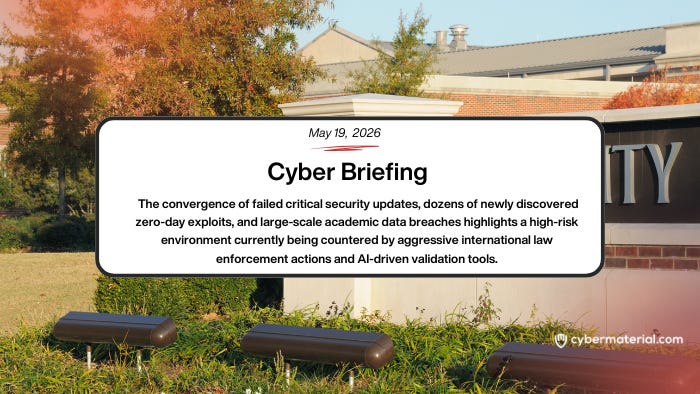
The cybersecurity landscape has recently experienced significant upheavals following the Pwn2Own Berlin competition, where a staggering 47 zero-day vulnerabilities were discovered. These vulnerabilities have targeted essential infrastructure systems, particularly Microsoft Exchange and VMware ESXi, raising alarm bells within the tech and cybersecurity community. This discovery provides a stark reminder of the persistent risks that organizations face and emphasizes the need for robust security measures.
Compounding these issues, Microsoft has confirmed a notable failure related to a significant Windows 11 update. The May 2026 cumulative update, identified by the code KB5089549, is reportedly failing to install, generating error 0x800f0922. This situation has left several systems temporarily unpatched, escalating their vulnerability status. Enterprise administrators and individual users alike have been urged to monitor Microsoft’s official support channels for potential solutions and workarounds to navigate this security predicament.
In the education sector, the ramifications of inadequate cybersecurity measures have been starkly highlighted by a massive data breach impacting multiple universities. Cybersecurity firm Proofpoint has traced the breach back to configuration errors within the affected institutions’ systems. As remote learning continues to gain traction, these vulnerabilities underscore the pressing need for educational institutions to enhance their security frameworks. Immediate reviews of security settings and access controls are essential to protect sensitive student information and restore confidence in the security of digital learning environments.
On a more proactive front, INTERPOL has launched Operation Ramz, which has led to the dismantling of various cybercrime networks across the Middle East and North Africa (MENA). This operation has yielded impressive results, with 201 arrests being made and 53 servers seized, which were employed for phishing and malware distribution. Law enforcement officials have also identified an alarming 3,867 victims affected by these criminal operations. This initiative reflects an ongoing shift toward preemptive measures in the cybersecurity realm, showcasing coordinated global efforts to combat cybercrime more effectively.
Continuing with advancements in cybersecurity technologies, a team of researchers has unveiled a new AI-powered testing framework designed for web applications. This innovative framework autonomously generates and maintains web application tests while simultaneously detecting security vulnerabilities through natural language commands. Performance statistics reveal a remarkable improvement in testing success rates, skyrocketing from 55% to 93%, and reducing timing errors by an impressive 80%. This development not only streamlines the testing process but also equips developers with robust tools to identify security flaws effectively.
Furthermore, the Philippine government has initiated cybersecurity training programs aimed at enhancing the skills of information officers in Region 6. This training, which emphasizes the "human element" of security, recognizes that approximately 95% of data breaches stem from human error. By equipping personnel with knowledge about social engineering risks and password security, the government hopes to mitigate the factors driving the region’s increasing data breach incidents.
In summary, the evolving threats in the cybersecurity landscape showcase the urgent need for continuous vigilance, robust security measures, and proactive training initiatives. Recent incidents, such as the discovery of zero-day vulnerabilities, significant update failures, and major data breaches in educational settings, highlight the vulnerability of even the most established systems. Meanwhile, important strides made by organizations like INTERPOL and ongoing research in AI applications signal that the fight against cybercrime is increasingly reliant on collaborative efforts and innovative technologies. The combination of proactive measures, heightened awareness, and ongoing training is essential to creating a more resilient cybersecurity posture against future threats.