


Cybersecurity Brief: Rising Threats and Response Strategies
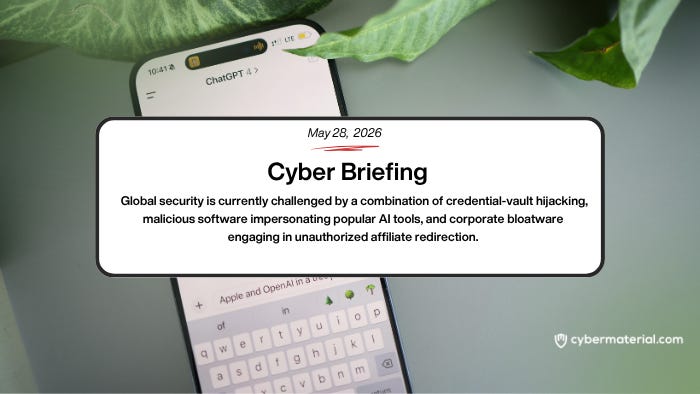
The cybersecurity landscape is facing a significant evolution as new threats emerge, shedding light on the sophistication of recent attacks. A recent report emphasizes rising instances of social engineering, fraudulent applications, and internal app vulnerabilities, prompting both individuals and organizations to remain vigilant and proactive.
One of the more alarming trends is identified in the method known as “VaultJacking.” This technique targets Google Password Manager users by compromising their PIN codes, which, once captured, gives attackers unfettered access to stored credentials, including passwords and passkeys. Security experts urge users of Google’s service to enhance their security measures by enabling multi-factor authentication and maintaining caution against phishing attacks that specifically target their PINs. The accessibility of sensitive data in password managers makes them prime targets for cybercriminals using advanced techniques.
Adding to the myriad security concerns is a fraudulent website impersonating OpenAI’s ChatGPT. This site is distributing malware targeting both Windows and macOS users via a deceptive URL. Windows users are particularly at risk, facing credential-stealing threats that create backdoor access for attackers, while macOS users are vulnerable to "Atomic Stealer," a malware that compromises cryptocurrency wallets by replacing genuine applications with malicious versions. Security experts are advising users to immediately log out of accounts on clean devices and change passwords if they have mistakenly downloaded from unofficial platforms.
Internal vulnerabilities have also garnered attention. Motorola’s preinstalled "Smart Feed" app was recently reported to hijack Amazon Shopping sessions to inject affiliate referral codes. This practice not only misappropriated user activity for corporate gain but did so without the users’ consent or knowledge. The backlash from users led to the disabling of this app, illustrating the significant ethical and trust issues at play in application design and usage.
In the realm of organizational cybersecurity, a shift towards data extortion has been noted, particularly exemplified by the activities of the Silent Ransom Group. This group is reportedly targeting U.S. law firms through social engineering tactics, misrepresenting themselves as IT support to access sensitive data without encryption, a growing concern particularly in light of recent high-profile breaches. Meanwhile, Dutch authorities have apprehended an individual linked to a major breach at the Ajax football club, affecting the personal information of roughly 300,000 fans. Such incidents highlight the critical need for organizations to audit access logs regularly, enforce multi-factor authentication, and maintain up-to-date incident response strategies.
A survey conducted among cybersecurity professionals emphasizes the growing recognition that effective leadership in cybersecurity goes beyond technical proficiency. The data reveals that 76% of security leaders believe that real-world incident management experience is more vital than formal certifications. Furthermore, qualities such as clear communication, decision-making, and cross-department collaboration are becoming increasingly valued. This shift indicates an evolving expectation for Chief Information Security Officers (CISOs) to not only shield their organizations from potential attacks but also to manage crises effectively and strategically.
To combat these evolving challenges, the roles of education, training, and vigilance are paramount. Organizations are encouraged to empower their employees to recognize the hallmarks of social engineering and phishing attempts. Implementing phishing-resistant multi-factor authentication, verifying IT staff identities, and proactively disabling unnecessary remote access can significantly bolster cybersecurity defenses.
As incidents of cyber threats continue to rise globally, the spotlight remains on comprehensive strategies that address the multifaceted nature of cybersecurity. The shifting focus from simply technical skills to encompassing crisis management and strategic leadership is redefining how organizations hire and train their cybersecurity personnel, ensuring they are equipped to handle an increasingly complex threat landscape.
Conclusion: Stay Informed and Prepared
Staying informed and actively participating in discussions around cybersecurity threats and best practices is essential for everyone, from individuals concerned about personal security to corporations defending against multifaceted attacks. As threats evolve, so too must the strategies to combat them, underscoring the need for proactive measures, robust policies, and a culture of cybersecurity awareness.