


Artificial Intelligence & Machine Learning,
Governance & Risk Management,
Next-Generation Technologies & Secure Development
White House Cuts Proposed AI Review Period From 90 Days to 30
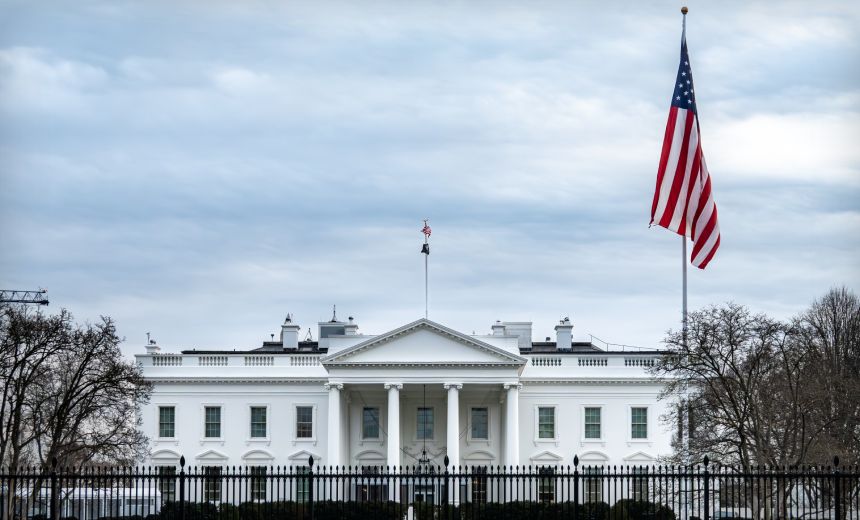
On June 2, 2026, U.S. President Donald Trump took a significant step in the realm of artificial intelligence regulation by signing an executive order aimed at creating a voluntary framework for the evaluation of advanced AI models that possess substantial cybersecurity capabilities. This new directive notably diverges from previous proposals by discarding mandatory licensing or preclearance requirements that were initially considered critical for ensuring the safe deployment of AI technologies.
The executive order outlines a clear directive for federal cybersecurity, intelligence, and homeland security officials, urging them to develop classified benchmarks tailored for assessing advanced AI systems. A pivotal aspect of the new order involves the establishment of an AI cybersecurity clearinghouse, which will bring together industry leaders and operators from critical infrastructure sectors to enhance collaborative efforts in managing AI risk. Additionally, the administration anticipates extending access to AI-enabled defensive technologies across government agencies.
Remarkably, this directive was implemented just days after Trump postponed signing an earlier version of the proposal, citing concerns that it might inhibit American AI innovation. The revised framework introduces a considerable reduction in the proposed review period for developers. Under the new guidelines, they can voluntarily grant the government access to their advanced AI models for a duration of up to 30 days prior to releasing them to trusted partners, a reduction from the previous review period of 90 days.
In the order’s text, it is underscored that while advanced AI capabilities bolster the nation’s strength, they concurrently pose novel national security challenges that necessitate coordinated efforts across various levels. The administration is intent on collaborating with the technology sector to ensure that the most effective and secure technologies are urgently deployed to counter any potential threats facing the country.
Central to this order, a directive mandates that the Department of the Treasury, National Security Agency (NSA), and Cybersecurity and Infrastructure Security Agency (CISA) develop and maintain a classified benchmarking process that assesses the advanced cyber capabilities of AI systems. These federal assessments will play a crucial role in determining which models qualify as “covered frontier models” under the established framework.
The responsibility for making these critical determinations primarily lies with the NSA, which will engage in consultations with the national cyber director, CISA, the White House science and technology adviser, and various defense officials. Furthermore, it is stipulated that federal agencies must share pertinent assessments with AI developers and researchers whenever deemed appropriate.
Another vital point in the order is the collaboration encouraged between federal agencies and participating private companies. This collaboration aims to select trustworthy partners who will be granted early access to the evaluated AI models, thereby enhancing cybersecurity across essential infrastructure sectors.
The most notable modification within the order is the shortening of the review period to 30 days—a change that significantly impacts the earlier draft that allowed for a 90-day access window. Beyond the assessments of frontier models, the order encompasses a range of directives designed to fortify cybersecurity measures across federal entities and critical infrastructure sectors.
In compliance with the new directive, CISA is required to issue binding operational directives and other guidance within 30 days to enhance the cyber defense mechanisms of civilian federal systems and critical infrastructures. It specifically identifies rural hospitals, community banks, and local utilities as vital beneficiaries of these enhancements.
Additionally, the Treasury, NSA, and CISA are tasked with establishing the AI cybersecurity clearinghouse, which will coordinate efforts for software vulnerability scanning, validate discovered vulnerabilities, and prioritize remediation, including the timely distribution of patches.
The executive order elicited a sardonic response from Senator Mark Warner, who serves as the senior Democrat on the Senate Intelligence Committee. Warner pointed out that the Trump administration has, once again, recognized the necessity to revisit a framework hastily dismantled during its first year. He referred to an earlier executive order signed by then-President Joe Biden, which had mandated AI system developers to conduct safety assessments and share the results with government entities before public release. Trump had rescinded this order on his first day in office.
Warner also emphasized his commitment to monitoring whether the pre-deployment evaluation process established by the Trump order could lead to opportunities for the White House to exert pressure on U.S. firms to alter their products or Terms of Service to align with potentially partisan or legally questionable objectives set by the administration and its affiliates.
The order is effective immediately, with a majority of the implementation requirements slated to commence within the 30 to 60-day timeframe that follows its enactment.
With reporting contributed by ISMG’s David Perera in Northern Virginia.