


The Imperative for AI in Cyber Defense: Insights from Infosecurity Europe
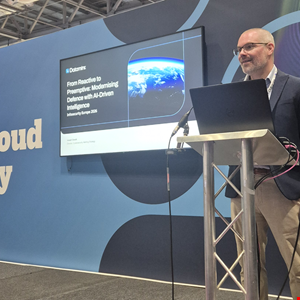
As the landscape of cybersecurity continuously evolves, the integration of artificial intelligence (AI) into defensive strategies has become not just an option, but a necessity for organizations aiming to safeguard their networks against an increasingly sophisticated array of cyber threats. Joe Slowik, the director of cybersecurity alerting strategy at Dataminr, underscored this urgent message during a session at Infosecurity Europe on June 2. In a compelling discussion on the AI & Cloud Security Stage, Slowik emphasized that defenders must adapt swiftly to the escalating timelines imposed by adversaries, heralding a call for urgent transformation in security operations.
In Slowik’s view, organizations that continue to rely on traditional, human-centric security operations centers (SOCs) risk being outpaced and left vulnerable to relentless cyberattacks. He pointed out that conventional methods, which involve extensive human analysis and intervention, no longer align with the increasingly rapid developments in attack methods and adversary tactics. “We don’t have a choice anymore,” Slowik stated emphatically, highlighting the pressing need for a paradigm shift in security protocols.
Slowik articulated that human analysts, who previously had sufficient time to dissect intrusions and craft solutions, face daunting challenges in the current threat environment. The rise of cybercriminals effectively harnessing technologies like AI and machine learning has dramatically compressed the timeframe in which vulnerabilities are exploited. “The window between a vulnerability being discovered and exploited has significantly decreased,” he explained, stressing that responses must be equally swift to mitigate potential damages.
Highlighting the urgency of rethinking security operations, Slowik expressed that skepticism toward machine learning—a sentiment he once shared—has become obsolete. He argued that exclusively human-focused methodologies are insufficient in the face of adversary lifecycles that are now accelerating. AI presents an opportunity to overhaul security workflows, providing defenders with enhanced capabilities to monitor and protect against threats.
Slowik suggested that teams leverage AI agents to efficiently gather intelligence on vulnerabilities, identifying not only the most susceptible areas of the network but also optimizing protective measures. By integrating AI into operational frameworks, organizations can substantially expedite their response to emerging threats. “Instead of reacting post-incident, organizations can adopt a proactive stance to anticipate vulnerabilities and counteract threats before they escalate,” he asserted.
One vivid example cited by Slowik was the React2Shell vulnerability, which was exploited by malicious actors within mere hours after its discovery. A traditional SOC might require days to compile a comprehensive response, whereas an AI-enhanced SOC can generate actionable insights significantly faster. This speed allows teams to engage in a more informed and agile remediation process, effectively strengthening their defenses in real time.
“From these enrichments, I can embark on an informed and accelerated remediation lifecycle, in real-time, alongside events to enhance improved decision-making processes,” Slowik noted, emphasizing the transformative impact of AI on operational efficiency. He remarked that the rapidity with which adversaries go from compromise to execution is a reality that defenders must grapple with actively, making it imperative to keep pace with evolving threats.
Despite advocating for AI, Slowik was keen to clarify that these technological advancements do not herald the replacement of human roles in cybersecurity. Instead, he posited that the most effective approach lies in a hybrid model, where human analysts work in conjunction with AI tools. “Humans will still definitely be making decisions, but aided by AI to synchronize with adversary workflows,” he concluded, encapsulating the collaborative future of cybersecurity where human intelligence and technological prowess converge to fortify defenses against sophisticated cyber threats.
As the cybersecurity landscape becomes ever more turbulent, organizations must recognize the essential role that AI plays in their defensive strategies. Embracing this technological evolution is critical to ensuring that security teams are not only prepared for the challenges they face today but also equipped for the adversarial tactics of tomorrow. In this unceasing race against cybercriminals, adapting to utilize AI effectively may well be the difference between security and compromise.