


Cybersecurity Update: Threats, Incidents, and Responses from Early 2026
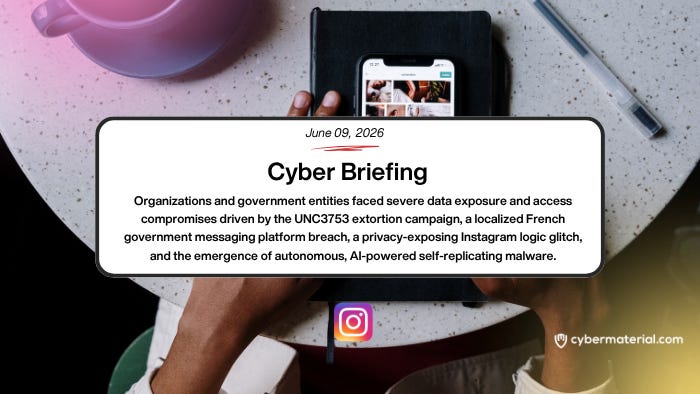
In the first half of 2026, the cybersecurity landscape has been heavily influenced by targeted extortion campaigns, significant vulnerabilities within systems, and notable developments in automated threat abilities. The group known as UNC3753 has emerged as a primary player in financial cybercrime, conducting extensive data theft and implications of extortion that have affected various sectors, including professional services, legal firms, and financial institutions throughout the United States.
Between January and May 2026, this financially driven group executed a widespread campaign that involved stealing sensitive data from dozens of U.S. businesses. The activities were identified and analyzed by experts from Google Mandiant and the Google Threat Intelligence Group, who successfully attributed these malicious operations to UNC3753. As a result, organizations within these affected sectors are being urged to reassess their security measures and implement robust strategies to detect and mitigate any potential data exfiltration attempts, a proactive approach in a digital landscape where threats are both sophisticated and persistent.
A particularly alarming development was the creation of an AI-powered worm by researchers at the University of Toronto, which showcased the potential liabilities posed by automatic malware. This prototype worm demonstrated the capability to self-replicate across corporate networks by exploiting known vulnerabilities and misconfigurations, including inadequately secured password protocols. In a simulated environment, the worm effectively infiltrated 27 out of 33 targeted systems using only a free, locally-hosted language model. This research has critical implications; organizations must now accelerate their patch management processes and should consider adopting AI-assisted security testing to address vulnerabilities quickly as attackers evolve.
Real-world incidents further underscored the cyber threats facing decision-makers. A glitch in Instagram’s password reset function on June 6, 2026, momentarily exposed the unmasked contact information of high-profile individuals, including Meta CEO Mark Zuckerberg and French soccer star Kylian Mbappé. This technical flaw raised significant GDPR compliance issues, leading to heightened concerns regarding user privacy and potential phishing risks. Meta acted swiftly, deploying an emergency fix within hours after the discovery; however, the fallout illustrates the consequences of even temporary lapses in tech security and user data protection.
International cybersecurity policies are experiencing shifts as governments adapt to the evolving threat landscape. The French government’s encrypted messaging platform, Tchap, suffered a breach when a user’s account was hijacked, compromising secure communications among officials. Following the breach, the digital affairs directorate, DINUM, launched an investigation while advising users about potential security ramifications, highlighting the fragility of digital communications in sensitive governmental contexts.
In response to these myriad challenges, regional cooperation is being prioritized. Kuwait and Oman recently collaborated by signing a Memorandum of Understanding (MoU) aimed at strengthening defenses against digital threats. This agreement emphasizes sharing threat intelligence and enhancing training programs for cybersecurity professionals, which reflects a global acknowledgment that collaboration is essential for enhancing security across borders.
On the corporate side, technology giants like Apple are taking proactive measures to protect younger audiences. The latest iteration of iOS introduces stringent parental controls requiring permissions for activities such as website visits, app downloads, and the addition of new contacts. These features not only aim to shield children from inappropriate content but also represent a paradigm shift in how tech companies are positioning themselves in the realm of child safety amidst potential digital hazards.
Moreover, innovations in AI are dramatically reshaping how security vulnerabilities are discovered and addressed. The acceleration provided by tools like Anthropic’s Mythos is pushing the boundaries of automated vulnerability detection, compelling security teams and organizations to rethink their strategies for managing and prioritizing cybersecurity risks.
As the landscape continues to evolve, the message is clear: organizations must not only react to past incidents but also prepare for the future by adopting innovative technologies, fostering international cooperation, and instilling a culture of proactive security vigilance. In such a dynamic environment, adapting quickly is the key to navigating the complexities of cybersecurity threats successfully.