


Microsoft Amplifies Cybersecurity Efforts with Enhanced RPC Monitoring in Defender for Endpoint
In a significant move aimed at bolstering cybersecurity, Microsoft has unveiled upgraded monitoring capabilities for Microsoft Defender for Endpoint, specifically targeting the often-exploited Remote Procedure Call (RPC) protocol. This protocol is a fundamental component of Windows communications and frequently comes under fire from threat actors who leverage it for lateral movement within networks and gaining unauthorized access to credentials.
Launched on June 8, 2026, this enhancement offers security teams unprecedented visibility into inbound remote RPC activities. This advancement allows teams to pinpoint malicious operations associated with specific RPC functions, rather than relying solely on high-level interface indications, thereby improving incident response capabilities.
Understanding the Scope of RPC within Windows Environments
The RPC protocol serves as a critical conduit for communication within Windows environments, particularly in its interaction with Active Directory. It facilitates seamless communication between various processes—both locally and over networks. The integration of RPC within essential services like the Service Control Manager, Remote Registry, Task Scheduler, and Windows Management Instrumentation (WMI) has rendered it an attractive target for cybercriminals.
Threat actors employ various techniques for exploiting RPC, such as lateral movement through remote service creation, credential dumping via registry access, and authentication coercion attacks—all of which capitalize on the protocol’s functionality. The inherent risks associated with these methods have raised concerns within the cybersecurity community.
The Technical Advancements in Microsoft Defender
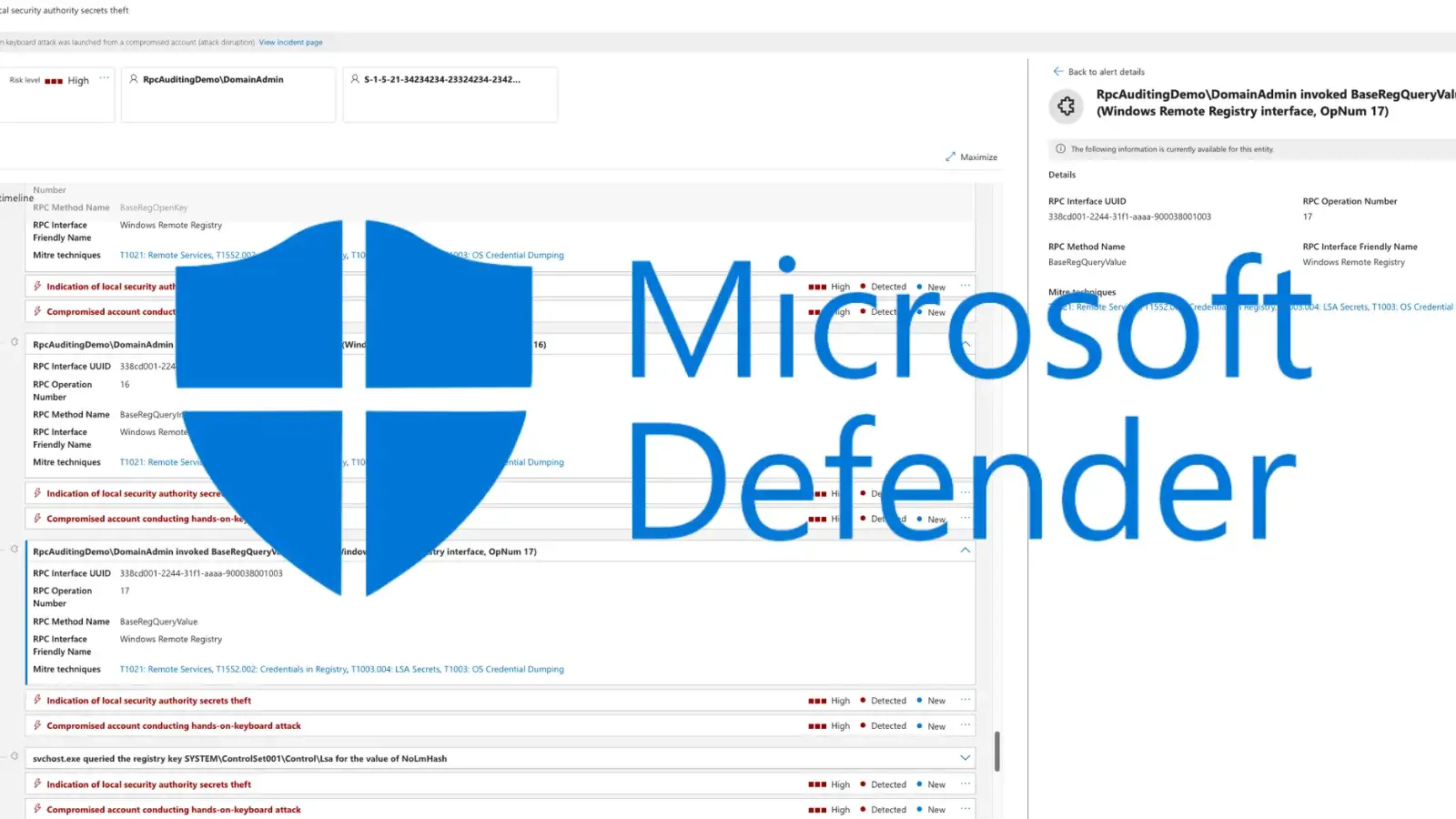
To combat these threats, Microsoft has fortified Defender’s capabilities by enhancing integration with the Windows Filtering Platform (WFP). This improvement facilitates OpNum-level inspection of RPC calls. An operation number (OpNum) indicates specific functions within RPC interfaces, allowing Defender to discern exactly which actions are invoked.
This increased granularity equips security tools with enhanced detection capabilities, permitting them to differentiate between benign and potentially harmful RPC operations coming from the same interface. This level of specificity is pivotal in thwarting unauthorized activities without generating unnecessary alerts for legitimate operations.
Unlike traditional network monitoring solutions, which may encounter limitations due to encrypted transport protocols like SMB3—and in some cases may inadvertently affect system performance—Microsoft’s telemetry collection directly on the endpoint leverages audit-only WFP filters. This strategic approach ensures that monitoring activities remain low-impact and do not disrupt normal operational workflows.
The focused monitoring of remote inbound RPC calls, while excluding local inter-process communications and outbound requests, allows organizations to maintain system integrity while actively guarding against threats.
Real-Time Monitoring and Threat Detection
Microsoft has stated that Defender will dynamically track selected RPC operations across frequently abused interfaces, including the Remote Registry and Service Control Manager. This capability is currently available for workstations, with rollout to server environments in progress. The telemetry data collected is accessible via Microsoft Defender’s Advanced Hunting interface, offering threat hunters a platform to query and correlate RPC activity against broader attack patterns.
The new update also introduces built-in detection mechanisms and automated disruption capabilities designed to counter several RPC-based attack methodologies. These include the identification of hands-on-keyboard attacks using tools like Impacket, suspicious remote service creations that may indicate lateral movement, attempts to extract Local Security Authority (LSA) secrets, and unusual account and session enumeration activities.
Security teams can utilize Advanced Hunting queries to examine specific scenarios of RPC abuse. For instance, monitoring Remote Registry operations could help unearth credential-dumping attempts, while scrutinizing service-creation opcodes may reveal unauthorized lateral movement. In addition, analyzing session enumeration calls can facilitate the identification of reconnaissance operations targeting user sessions across the network.
Looking Ahead: A Trend Towards Deep Protocol Inspection
This progressive enhancement reflects a broader industry trend focusing on deeper inspections of native protocols frequently abused by attackers, particularly within enterprise operating systems. By providing visibility into RPC activities at the function level, Microsoft aims to close the historically noted gap in endpoint detection, which has permitted attackers to mask malicious activities within legitimate system communications.
As cyber adversaries continue to exploit built-in administrative tools and protocols to evade detection, capabilities such as RPC monitoring will become indispensable in fortifying an organization’s cybersecurity posture. Organizations that employ Microsoft Defender are advised to leverage these new telemetry streams, integrating RPC-based detections into their threat-hunting and incident-response workflows.
In summary, Microsoft’s proactive approach in enhancing Defender for Endpoint not only improves security teams’ ability to detect threats but also plays a pivotal role in shaping advanced cybersecurity strategies for today’s intricate digital landscape.