


Advanced SOC Operations / CSOC,
Events,
Infosecurity Europe Conference
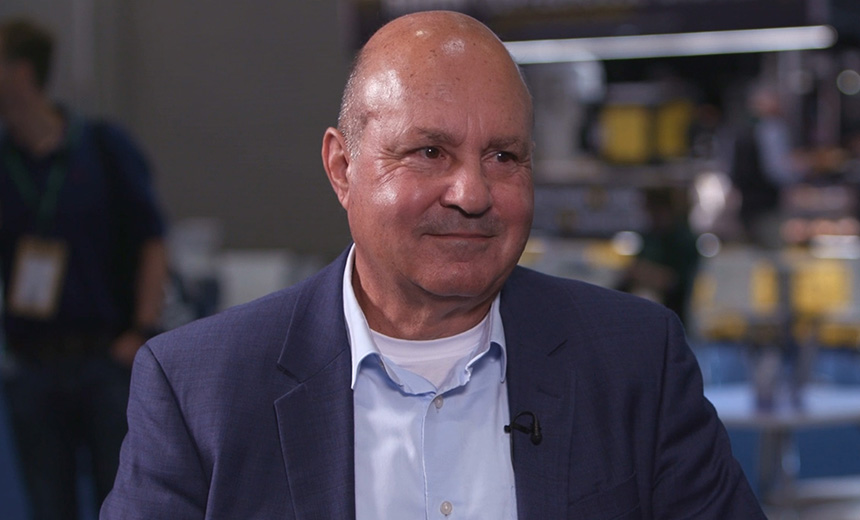
Peter Coroneos of Cybermindz on Stress, the Brain and Human Capability Risk
In an age where cybersecurity is paramount, the issue of burnout among cybersecurity professionals has escalated significantly, evolving from a mere wellness concern into a critical operational risk. This alarming trend was highlighted by Peter Coroneos, founder and chairman of Cybermindz, who pointed out that the mental and emotional exhaustion experienced by these professionals undermines their effectiveness in defending against cyber threats.
According to recent studies conducted across various regions, burnout rates among cybersecurity experts have now surpassed those of frontline healthcare workers. This finding underscores a pressing issue: the level of stress is not the sole contributor to this phenomenon. Instead, Coroneos emphasized that it stems from a chronic lack of recovery time. The human nervous system, he explained, is not designed to function continuously amid relentless threats and pressures, which can lead to an inability to initiate recovery due to the pervasive threat environment.
Coroneos articulated that while it is possible to operate in high-stress roles, the success of such efforts relies heavily on the implementation of structured recovery protocols, support systems, and de-escalation strategies. “You can work in a stressful situation,” he stated, “but as long as you’ve got recovery protocols and systems and support frameworks in place, we can keep rolling in these challenging roles indefinitely.” This insight suggests that organizations need to prioritize mental resilience to maintain high levels of performance among their cybersecurity teams.
In a recent video interview with Information Security Media Group (ISMG) during the Infosecurity Europe 2026 conference, Coroneos further elaborated on the complex interplay between stress and performance in cybersecurity roles. He discussed how distinct challenges require tailored interventions. For instance, the anticipatory stress faced by Chief Information Security Officers (CISOs) differs markedly from the alert fatigue experienced by Security Operations Center (SOC) analysts, demanding separate strategies to mitigate their specific pressures.
Coroneos also touch upon the concept of neuroplasticity, which refers to the brain’s ability to reorganize itself by forming new neural connections. He explained that through sustained practice and the right interventions, measurable structural changes can occur in the brain’s resilience centers over time. As such, there is a window of opportunity for organizations to invest in programs that bolster mental fortitude, potentially reversing the trend of burnout and its negative impacts.
To address the pressing issues clearly illustrated by these findings, Cybermindz has developed a board-level human risk framework that connects burnout indicators directly to operational and security outcomes. This proactive approach could be a game changer for organizations aiming to bridge the gap between mental health and cybersecurity performance, enhancing overall security posture.
Peter Coroneos is recognized as a thought leader in the technology and cybersecurity sectors. His extensive experience includes serving as CEO of Australia’s Internet Industry Association from 1997 to 2011, where he spearheaded initiatives such as the “icode” anti-botnet scheme. His innovation in this area inspired comparable programs in the U.S., benefiting millions.
As the cybersecurity landscape continues to evolve rapidly, the insights shared by Coroneos serve as a crucial reminder for all stakeholders involved in the protection of digital assets. By recognizing burnout as an operational risk rather than merely a wellness issue, organizations can take informed steps to ensure their cyber defenders remain effective in an increasingly complex and demanding environment.