
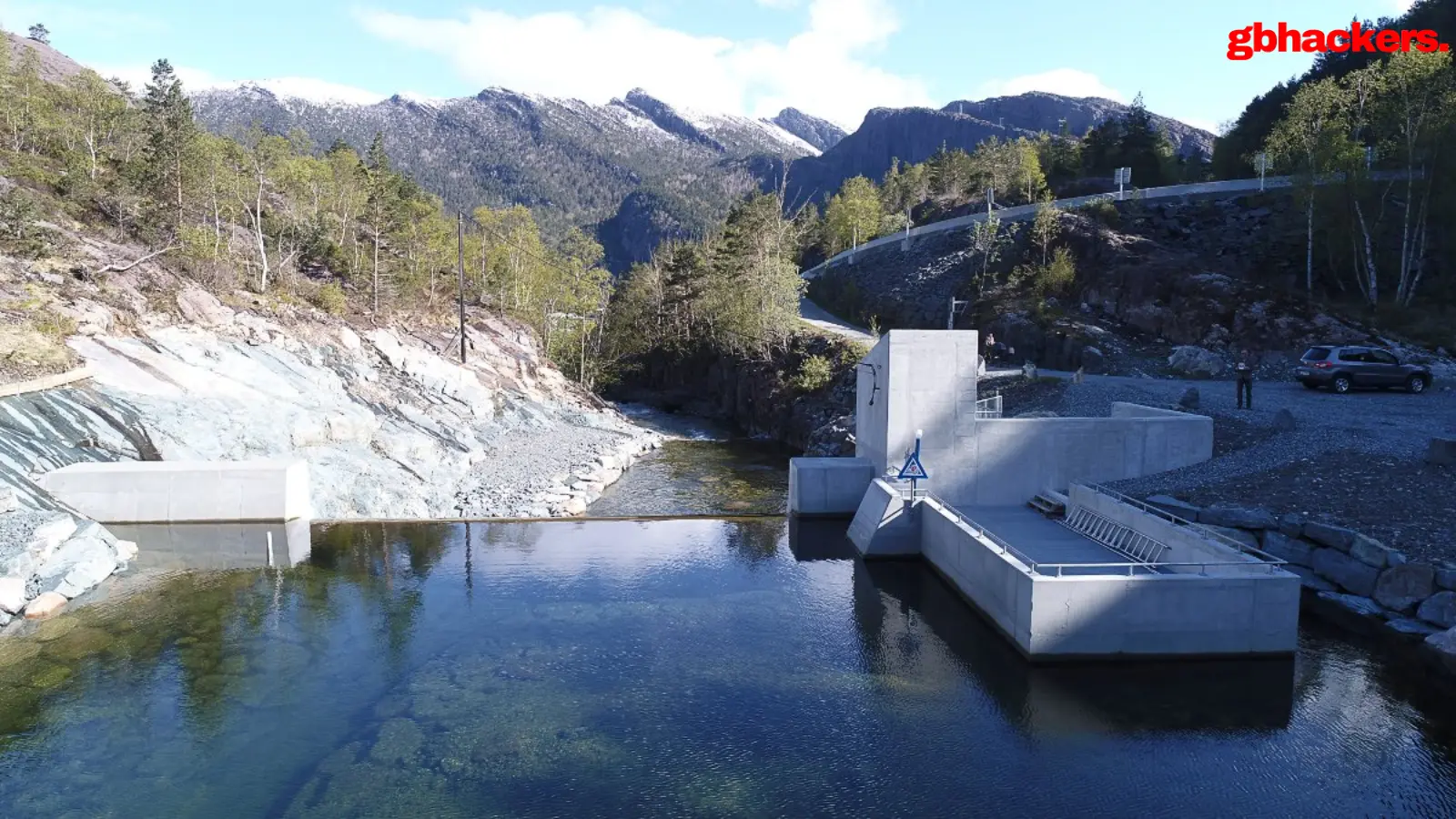


Strategy and Vulnerabilities in Water and Wastewater Systems
Water and wastewater systems have increasingly emerged as strategic targets in the ongoing gray-zone conflicts involving nations such as Russia, China, and Iran. This shift can be attributed to chronic underinvestment coupled with inadequate operational-technology (OT) defenses, making these critical utilities highly vulnerable to exploitation.
The vulnerabilities are compounded by factors such as internet-exposed human-machine interfaces (HMIs), accessible programmable logic controllers (PLCs) that often employ default credentials, and insufficient IT/OT segmentation. These elements create low-cost pathways for malicious actors to breach systems. The repercussions of such disruptions can be disproportionately severe, impacting public health and eroding public trust in institutions while providing adversaries with leverage that avoids outright warfare.
Recent advisories issued by various U.S. agencies, including the Cybersecurity and Infrastructure Security Agency (CISA), the FBI, and others, have highlighted a marked transition from random nuisance activities to more calculated, state-aligned operations targeting these essential utilities. Notably, Iran-linked actors, especially groups affiliated with the Islamic Revolutionary Guard Corps (IRGC), have been observed exploiting exposed PLCs and weak authentication protocols. They have demonstrated their capabilities through actions that include defacing HMIs and highlighting vulnerabilities, such as in the widely utilized Unitronics Vision Series devices.
These intrusions signify a trend that focuses on symbolic messaging and opportunistic disruption rather than large-scale physical destruction. They showcase how simple misconfigurations can grant attackers tactical access to critical processes. In contrast, Russian and pro-Russian actors exhibit a pattern more aligned with sabotage. Reports of municipal water-system manipulations in 2024–2025 reflect Russia’s broader hybrid warfare approach, characterized by coercion, intimidation, and resilience testing. Evidence points to the willingness of groups connected to the Russian military intelligence agency (GRU) to exploit OT access for immediate disruption, often employing rudimentary techniques against minimally defended targets to elicit emergency responses and widespread alarm.
China’s strategy stands apart from those of Iran and Russia. Campaigns linked to the People’s Republic of China, like the Volt Typhoon attack, have emphasized long-term reconnaissance and strategic positioning within U.S. critical infrastructure networks—water utilities included. The objective is not to create immediate spectacles but to establish persistent access patterns that could be leveraged during a future crisis. U.S. agencies have warned that these footholds can significantly alter strategic calculations in high-intensity scenarios.
Additionally, a series of non-attributed and criminal incidents has underscored the fragility of water-sector systems. Ransomware attacks and unauthorized intrusion incidents affecting billing systems, backup servers, and administrative interfaces have frequently compelled utilities to revert to manual operations. These incidents serve to illustrate a crucial lesson: attackers need not employ specialized industrial control system (ICS) malware to generate operational disruption. Simple tactics such as credential theft, the use of exposed remote-access tools, and compromised vendor connections provide effective routes into control environments or critical adjacency areas, such as geographical information systems (GIS) and identity systems.
Geographically, the risk associated with these vulnerabilities is highest in regions where utilities are small, under-resourced, or located in geopolitically sensitive areas. Eastern European nations and NATO-adjacent states experience significant pressure, with Poland’s breaches in 2025 exemplifying the vulnerabilities present in logistical hubs. Similarly, U.S. utilities remain enticing targets for both pre-positioning activities orchestrated by the PRC and opportunistic actions from Iranian actors.
Across various regions, the weaknesses exploited by adversaries manifest consistently, including internet-exposed HMIs and PLCs, default or shared accounts, outdated controllers lacking support, insufficient system monitoring, and obscure IT/OT boundaries. Strategically, intrusions within the water sector serve multiple roles, including coercive signaling, resilience testing, shaping public opinion, and enabling contingency planning.
The immediate threat profile tends to favor straightforward compromises that can elicit fear and consume valuable emergency resources, while the broader, existential risk lies in stealthy, persistent access that may be activated during significant geopolitical crises. Given the U.S. water sector comprises around 170,000 systems, each with varying degrees of cyber maturity, achieving systemic remediation is challenging yet essential.
Mitigating these vulnerabilities requires a prioritized approach that focuses on hardening internet-facing assets, enforcing rigorous credential hygiene, implementing vendor access controls, and maintaining network segmentation. Furthermore, sustained federal and state assistance for small utilities is essential. Public advisories from CISA, the EPA, and the GAO provide crucial technical guidance and context for potential threats; operators are urged to regard ransomware and other criminal intrusions as indicators of the same structural weaknesses exploited by nation-states.
In today’s hybrid-warfare landscape, protecting water infrastructure transcends mere operational requirements—it has become a strategic imperative. The potential for low-cost access that adversaries can exploit to gain political leverage underscores the importance of proactive measures to secure this vital sector. By addressing these vulnerabilities and strengthening their defenses, utilities can better safeguard against a growing array of threats poised to exploit their weaknesses.