
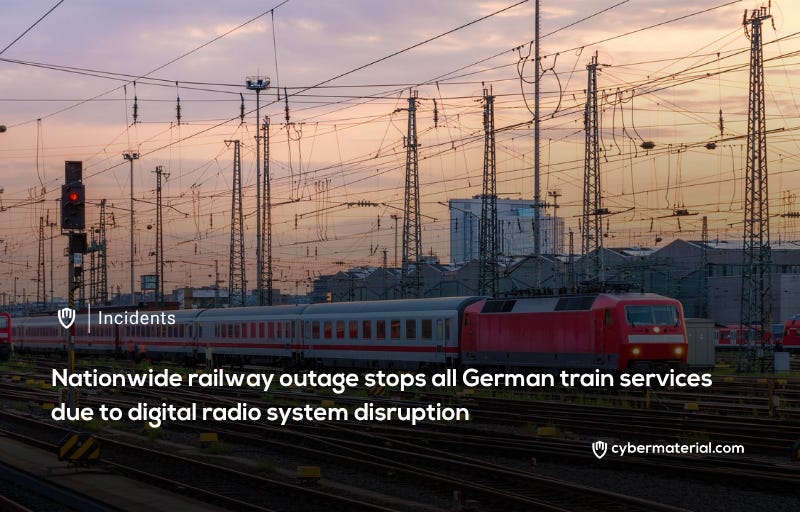


Train services operated by Deutsche Bahn ground to a halt across Germany late Tuesday evening following a nationwide failure of the digital railway radio system. The disruption, confirmed by the operator, affected rail operations throughout the country and forced trains to stop until the critical communication infrastructure could be restored.
The digital railway radio system is crucial as it serves as the primary communication link between train operators, dispatchers, and control centers. It plays a vital role in ensuring the safety and efficiency of rail travel. When this system malfunctions, trains are unable to receive the necessary authorization to proceed. Consequently, safety protocols mandate an immediate stop, rendering coordination of rail traffic impossible. Given the extensive reach of Germany’s rail network, the failure of such an essential system could not be taken lightly.
Although a significant event, Deutsche Bahn has yet to disclose details regarding the root cause of the radio system failure or the technical issues that led to the outage. The nationwide scope of the disruption indicates systemic failures rather than localized technical problems. The timing of this incident, occurring during evening rush hours, exacerbated the situation, affecting both daily commuters and long-distance travelers alike.
As word of the outage spread, the impact rippled across Germany’s entire rail network. Passengers faced extensive delays, and numerous service cancellations were reported. With a heavy reliance on the digital radio system for real-time coordination, Deutsche Bahn’s operations were effectively paralyzed. The extent of passenger disruption and the potential economic fallout were still being assessed as the situation unfolded.
Authorities recommend that rail operators and passengers keep a close eye on Deutsche Bahn’s official announcements for updates on service restoration. Travelers intending to use German rail services are urged to verify the status of their journeys prior to departure. It may also be prudent to explore alternative transportation options until normal service is resumed. This kind of disruption is not only inconvenient for individual travelers but can lead to broader repercussions, particularly for organizations that depend on rail freight, which may face delays in their supply chains.
The response to such disruptions is particularly crucial in a nation where the rail system plays a key role in daily commuting and logistics. The ability of Deutsche Bahn to efficiently manage and restore services will be watched closely by both passengers and businesses alike. Any delay in service restoration could further strain the already burdened rail network and complicate matters for those relying on timely deliveries.
The cascading effects of the outage could extend beyond immediate passenger inconvenience. For instance, freight transport disruptions could lead to delays in supply chains, impacting various industries. Therefore, monitoring the situation closely is essential for both passengers and businesses reliant on rail freight. As the situation evolves, clearer information is expected to emerge regarding the timeline for restoring the digital radio system and resuming normal operations.
In light of the significant reliance on the rail network throughout Germany, the implications of such failures underscore the importance of robust communication systems in maintaining operational integrity. The incident serves as a reminder of how quickly a failure in one part of the system can disrupt an entire network, prompting discussions about infrastructural resilience and contingency planning for future occurrences.
The incident has not only raised questions about the immediate operational procedures at Deutsche Bahn but also emphasizes the need for a long-term review of the infrastructure supporting Germany’s rail system. Stakeholders may seek clarification on how to improve and safeguard against similar failures in the future, ensuring that passengers can travel safely and efficiently without such disruptions.
As the situation develops, it will be crucial for Deutsche Bahn to restore trust with its passengers and industries depending on rail services. Clear communication about the outages and expected recovery timelines will be vital in maintaining the faith of those who utilize the rail services for both personal and professional needs.