
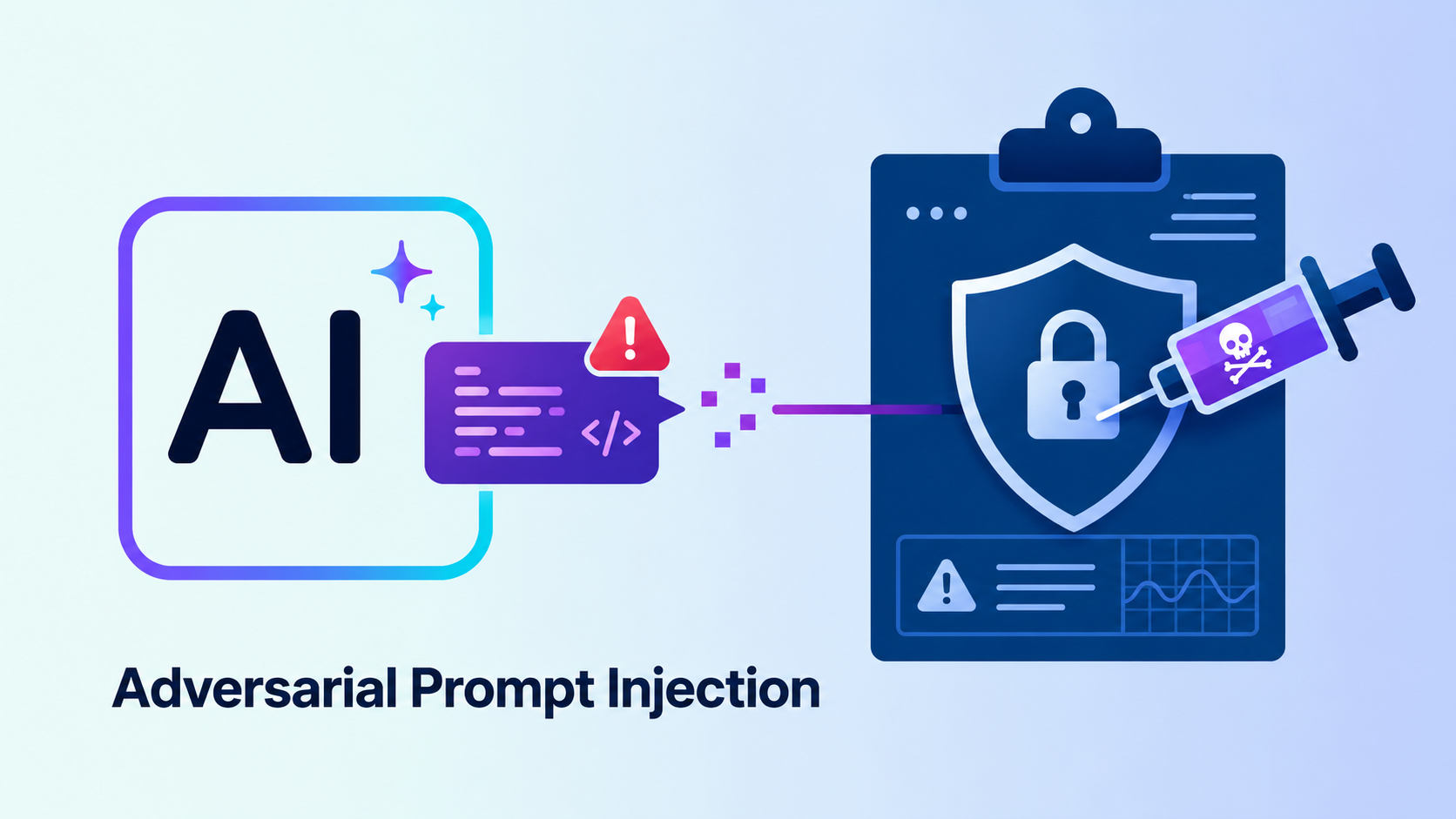


Rise of Adversarial Prompt Injection: A New Threat to AI Security
In an alarming development within the cybersecurity landscape, cybercriminals are now operationalizing adversarial prompt injection techniques as a way to bypass AI-driven security mechanisms. This shift underscores a strategic pivot from direct attacks on end users to an emphasis on targeting machine-driven defenses. As artificial intelligence (AI) increasingly integrates into detection, filtering, and automation processes, its role manifests not just as a tool for protection but as a new attack surface for adversaries.
Researchers from Proofpoint have documented a parallel evolution in the tactics employed by cybercriminals. While conventional methods like phishing remain prevalent, adversaries are now exploring large language model (LLM)-assisted techniques to amplify their attack strategies, allowing for greater scale and variability. This evolution highlights a critical facet of modern cyber threats: the methodology’s increasing complexity is directly linked to the sophistication of AI technologies.
One compelling example of this trend lies in the emergence of frameworks like device code phishing, which demonstrates how automation can significantly enhance identity compromise operations. However, what is particularly concerning is that attackers are experimenting with strategies aimed at directly influencing AI decision-making systems rather than merely attempting to circumvent them.
Indirect Prompt Injection as a Growing Concern
A significant area of focus is the technique known as Indirect Prompt Injection (IDPI). Unlike conventional prompt injection, where malicious input is explicitly fed to a model, IDPI takes a more insidious route by leveraging external content, such as emails, documents, or web pages. This method imposes a unique challenge because AI systems often struggle to differentiate between legitimate instructions and adversarial content embedded within them. According to recommendations from the Open Web Application Security Project (OWASP), this vulnerability exposes AI models to the risk of exploitation that can result in damaging outcomes.
One poignant case highlighted by Palo Alto Networks Unit 42 showcased hidden prompts embedded within HTML code, manipulation being used to influence AI-driven ad review systems into approving harmful campaigns. As underground cyber marketplaces burgeon, nefarious actors are beginning to monetize this alarming concept. In such forums, IDPI toolkits are being offered for subscription fees around $150 per month. These toolkits include generators for emails, PDFs, calendar invites, and web pages, all designed to automate the integration of hidden instructions into AI agents responsible for tasks like summarization, classification, or threat analysis.
Among the most notable advancements is the technique which exploits email filters utilizing visually concealed text. Attackers reportedly embed “white-on-white” instructions within email messages that are invisible to the naked eye but readily parsed by AI-driven email security systems. These hidden prompts can command AI to suppress alerts or misclassify content, triggering unintended actions. Despite being in the exploratory phase, evidence suggests that these innovative techniques are actively being tested within certain underground communities.
Expanding the Attack Surface
According to Proofpoint’s findings, the IDPI technique is rapidly gaining traction across underground forums where malicious actors are innovating and commercializing tools intended to manipulate LLM behaviors. Malicious prompt injections are also finding their way into file formats like PDFs and DOCX files. Often appearing benign to both users and traditional security scanners—including platforms such as VirusTotal—these files can contain hidden strings that instruct AI systems to conduct illicit actions like data exfiltration. As numerous enterprises increasingly rely on AI for analyzing attachments, the potential for these subtle yet impactful attacks grows alarmingly.
Additionally, calendar-based IDPI introduces yet another layer of risk. Cybercriminals are creating .ics invites with malicious prompts disguised as innocuous meeting agendas. These invites can be processed instantly by AI assistants integrated into email and calendar platforms, eliminating the need for user interaction. Such scenarios have been observed where malicious instructions are designed to trigger data uploads to an attacker-controlled server, prompting the AI to delete any evidence of the activity immediately.
Malvertising campaigns are also adapting, embedding IDPI payloads within ad content through hidden elements in HTML or image metadata. Such tactics can manipulate outcomes during AI-led safety validations, allowing harmful advertisements to slip past traditional moderation systems. This evolution builds on earlier findings where AI-based ad review pipelines were misled using comparable methods.
Despite the technical advancements and increasing sophistication of these tools, it is crucial to note that widespread exploitation remains limited at this stage. Much of the observed activity is still within experimental and commercialization phases. Nevertheless, the growing discussions and developments within cybercriminal forums indicate that operational deployment could be imminent.
As the adoption of AI in security operations spreads, the motivation for cybercriminals to exploit these technologies will likely amplify. In light of these revelations, security teams are urged to fortify their AI pipelines by implementing stringent input validation measures and maintaining clear contextual separation between the data and instructions being processed by these models.
This evolving landscape marks a significant juncture; while prompt injection techniques have long lingered in theoretical discussions, cybercriminals are now actively engineering them into tangible frameworks for attack. Thus, organizations must remain vigilant against these new AI-focused threats. The call to action has never been more urgent as the boundaries of cybersecurity continue to be tested in increasingly sophisticated ways.