


Series F Funding Supports Zero Trust Controls Built for Autonomous AI Workflows
In a significant move within the cybersecurity landscape, ThreatLocker, a zero trust cybersecurity provider based in Orlando, has successfully raised $190 million in Series F funding. This funding aims to bolster defenses against malicious artificial intelligence agents while enhancing the firm’s internal operations through the use of AI to streamline security administration and policy management. The company’s proactive approach to cybersecurity reflects an urgent need to adapt to the evolving threat landscape where AI technologies present new challenges.
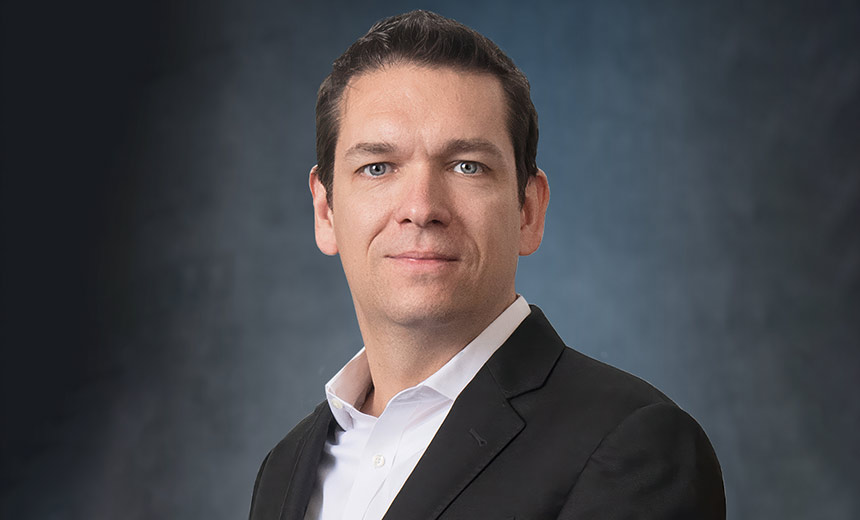
ThreatLocker’s co-founder and CEO, Danny Jenkins, emphasized the critical role of zero trust models in combating sophisticated cyber threats. By focusing on restricting what compromised software can do rather than just detecting attacks post-factum, Jenkins believes organizations can better shield themselves from potential breaches. The new funding will aid in research and development initiatives designed to make their products more efficient, user-friendly, and capable of addressing emerging security concerns.
Jenkins articulated a vision where the organization continually evolves its offerings, stating, "Zero trust is going to be best equipped to deal with all the threats." With the burgeoning popularity of AI technologies, Jenkins predicts not only increased investment in defenses against AI-related threats but also a growing use of AI to enhance security measures. In his view, these advancements will allow for more simple and rapid deployment of security solutions.
Founded in 2017, ThreatLocker has made remarkable strides in a short span. The firm currently employs around 730 individuals and has raised a total of $490 million across six funding rounds, which includes a recent $60 million Series E round concluded in April 2025 with a valuation hitting $1.2 billion. Jenkins, who has significant experience in cybersecurity through his previous roles at companies like Sirrustec and MXSweep, has led ThreatLocker since its inception.
The primary innovation that ThreatLocker is pursuing involves distinguishing AI agents from traditional software. Traditionally, software operated within a predictable framework; however, AI agents have the capability to initiate multiple applications, invoke services, and perform complex workflows. Jenkins pointed out that this inherent complexity necessitates an expansion of their ring-fencing technology. The technology will now not only monitor individual applications but also scrutinize the specific actions those applications undertake across various contexts.
He elaborated on the challenges, highlighting that an AI agent can execute a series of intricate operations, potentially jumping across numerous applications. For example, an AI agent might call Microsoft Office, which subsequently invokes PowerShell, leading to interactions with a web browser or other functions. In this light, security controls must be comprehensive, taking into account not just the software itself but the history of its actions on the device.
Jenkins noted that AI agents, by their nature, make autonomous decisions, invoke other applications, and perform tasks that traditionally required human oversight. This gives them a dual role as both software and users. The rise of such systems suggests that organizations need to evolve their security measures to monitor not just individual actions but also the interconnectedness of these actions within a broader execution framework.
Furthermore, Jenkins expressed concern regarding the rapid increase in software vulnerabilities, indicating that ThreatLocker has observed more vulnerabilities in the last two months than in the entire previous year. This alarming trend underscores the essential nature of ring-fencing technology in today’s cybersecurity environment, allowing organizations to protect against various threats, including ransomware and AI-generated attacks.
Despite the introduction of endpoint detection and response (EDR) capabilities, Jenkins reiterated that prevention remains the cornerstone of ThreatLocker’s philosophy. While detection is important for identifying suspicious behavior among privileged users, it should not replace the necessity of establishing a secure environment. "Zero trust is the best way to defend yourself against AI threats, against malware threats, against ransomware threats, against phishing threats," he asserted.
Jenkins further clarified that ThreatLocker only offers EDR as an add-on to its primary zero trust platform, emphasizing the importance of proactive defenses. The integration of EDR with allow listing and policy controls allows for automatic adjustments to permissions in response to suspicious activity, rather than solely providing alerts.
Today, ThreatLocker serves thousands of direct customers while also protecting tens of thousands of organizations through its partnerships with managed service providers and managed security service providers. Jenkins views the expansion of businesses that can effectively resist cyber threats as the central aim that drives the company’s investment and product strategy.
He concluded by highlighting the importance of user-friendliness in security solutions. "The best way to secure people is without giving them overhead and without giving them a headache," he stated. This commitment to simplicity and efficiency is what Jenkins believes will allow ThreatLocker to maintain its edge in the ever-evolving cybersecurity market, ensuring that organizations can navigate the complexities of modern threats without unnecessary complications.