


The Emergence of a Subscription-Based Malware Evasion Market
In recent months, a notable trend has emerged in the realm of cybersecurity: a burgeoning underground market that transforms advanced malware-evasion techniques into subscription-based products. This evolution reflects the growing sophistication and commercialization of cybercrime, where hackers can attain sophisticated evasion tools without the need for extensive technical knowledge or in-house development.
An analysis focusing on 24 active crypting-service vendors reveals that these services offer a wide range of features packaged as commodities. Customers can now easily acquire capabilities such as payload obfuscation, in-memory execution, anti-analysis mechanisms, process injection, and persistence, along with rapid "re-crypting" services. Traditionally, crypting was limited to encrypting or obfuscating malicious executables to evade static antivirus detection. However, the current market conditions present a more extensive array of options. Higher-tier vendors are now marketing loaders that can decrypt files exclusively at runtime, manually mapping Portable Executable files into memory and injecting code into other processes. Additionally, these services can modify the behavior of malware when a virtual machine, debugger, sandbox, or security software is detected, indicating a significant leap in operational capabilities.
This transformation signifies that crypting has evolved from a mere standalone packing service into a comprehensive operational layer aimed at deploying malware on a larger scale. Most of the vendors under scrutiny primarily target Windows environments, offering support for various file formats, including EXE, DLL, MSI, LNK, BAT, DOC, PDF, and even APK in some scenarios.
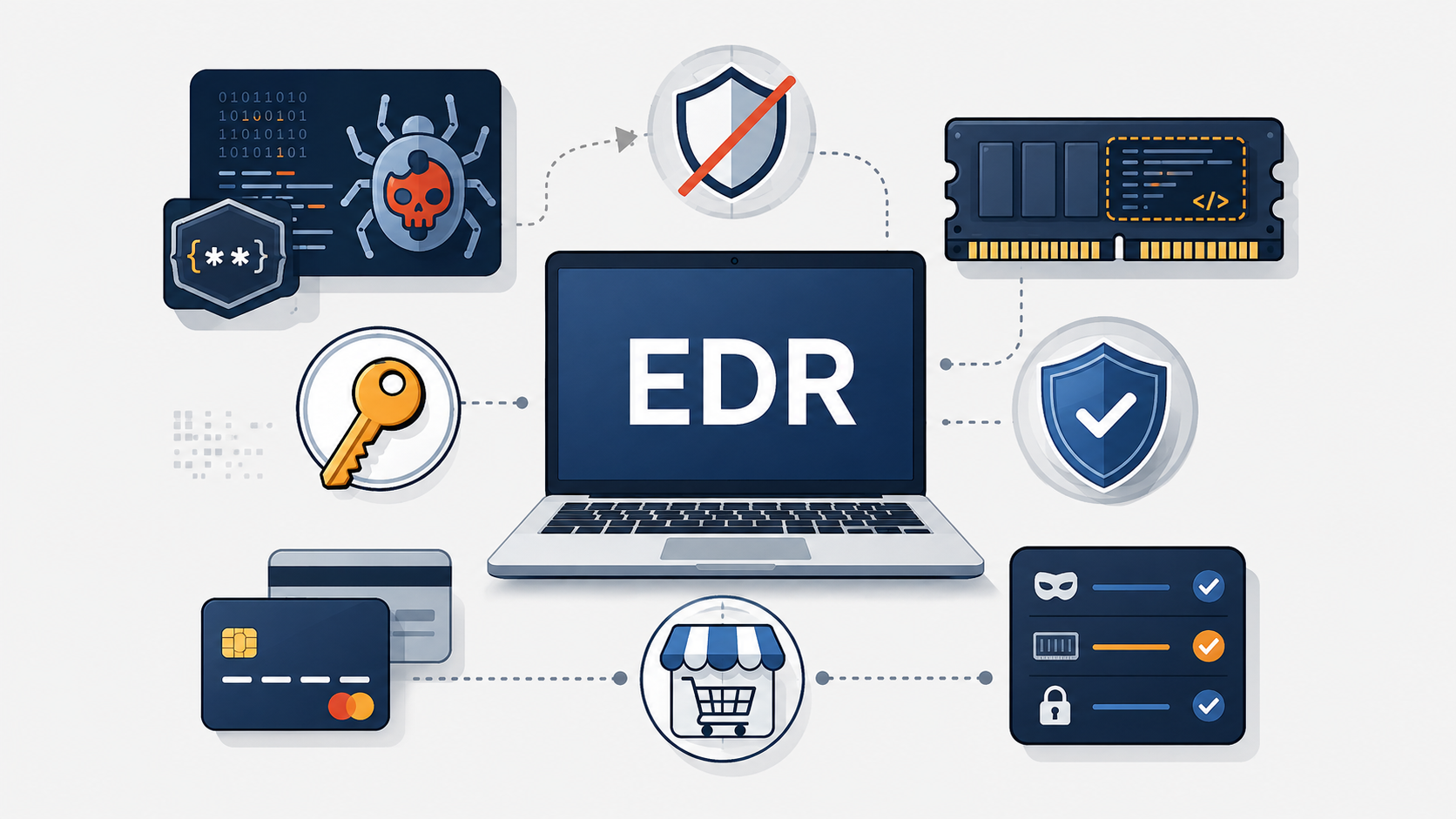
The marketing tactics adopted by these vendors often tout claims of "fully undetectable" or "bypass-ready" payloads against well-known security solutions like Microsoft Defender and SmartScreen, along with commercial antivirus (AV) and endpoint detection and response (EDR) products. However, caution is advised regarding these claims. Advertised detection scores and multi-AV scans do not necessarily serve as reliable indicators of effectiveness, especially as modern endpoint products increasingly rely on behavioral analysis, memory scrutiny, and cloud telemetry, rather than merely looking at file signatures.
The business model of these crypting services closely mirrors that of legitimate software-as-a-service (SaaS) operations. These sellers compete based on subscription tiers, providing options for either dedicated or shared "stubs" and varying turnaround times for clean builds. The availability of discounts and robust customer support is also a significant aspect of their business model. A shared stub reduces costs but potentially exposes multiple customers to the same wrapper, increasing the risks of shared detection events. Conversely, a private stub typically incurs higher costs but offers a more distinct payload wrapper and faster re-crypting support, especially essential after detection.
Notably, a vendor named mrlapis is gaining attention in this market, promoting its VIP Crypt service, which includes automated re-encryption and efficient file delivery infrastructure. A study by the Insikt Group has reviewed 24 threat actors who have advertised crypting services and products over the past year, uncovering a market that is not only competitive but also reputation-driven and heavily centered on Windows payloads.
Recent analyses have uncovered sophisticated tools, such as a staged Delphi loader capable of reconstructing encrypted components. This loader manually maps embedded payloads into memory rather than relying on Windows’ standard file-backed image loader, thereby reducing visibility from conventional controls which focus on typical executable loading processes. Techniques such as manual PE mapping can obscure detection, yet certain behaviors related to memory allocation, thread execution, and process relationships remain detectable.
Among these services, ASMCrypt stands out, linked to the seller o1oo1, which markets itself as a builder for HijackLoader-style packages. It offers configurable anti-VM checks, system profiling, attempts to exclude Windows Defender, and methods for DLL sideloading and process injection. Reports indicate that HijackLoader also employs API unhooking, debugging checks, and injection techniques designed to complicate investigations, whether automated or conducted by human analysts.
The significance of this evolving ecosystem lies not in the novelty of the techniques themselves, as strategies such as reflective loading, process hollowing, and syscall-based execution have been documented for years. Instead, the essential shift is in accessibility: criminal operators can now readily rent these services, receiving replacement builds after detection and allowing them to concentrate their efforts on initial access, credential theft, ransomware deployment, or other nefarious activities.
For cybersecurity defenders, it is crucial to recognize that relying solely on endpoint protection is inadequate. Effective detection engineering should prioritize identifying correlated behaviors indicative of malicious activity—such as unusual child-process creation, suspicious remote-memory writes, or executable memory transitions. In-memory loaders will invariably engage in activities that can be tracked, offering potential points of detection through telemetric data.
Organizations are advised to evaluate whether their EDR systems effectively capture suspicious API activity, indications of process injection, and execution originating from unusual directories. While static signatures retain some utility during triage, they are often circumvented by modern crypting services designed to evade them swiftly. Behavioral correlation, memory-aware analysis, and rapid sample triage are increasingly becoming the proactive measures necessary for navigating this burgeoning and commercialized evasion market.