


Cybersecurity Threats on the Rise: Key Incidents and Insights
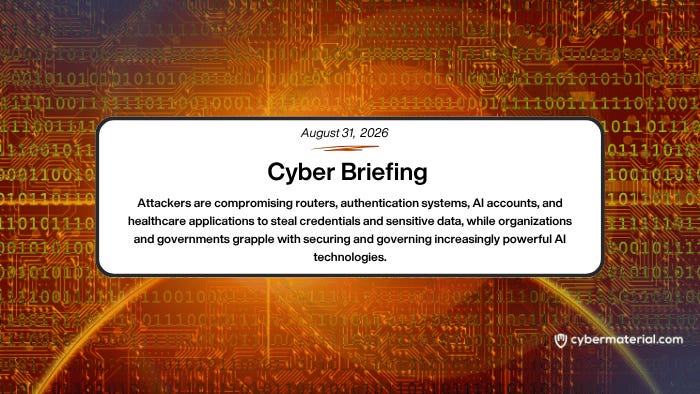
In recent developments, the cybersecurity landscape has witnessed an alarming surge in targeted attacks against critical infrastructure, artificial intelligence (AI) systems, and sensitive healthcare data. This situation brings to light some notable incidents and emerging risks that organizations must address to safeguard their digital assets.
The Fire Ant Campaign and Network Security Vulnerabilities
A significant threat emerged from the Chinese-linked espionage group, known as Fire Ant, which has been implicated in compromising Cisco routers and authentication servers. These attacks are particularly concerning because they involve sophisticated techniques to steal administrator credentials and manipulate logs. By leveraging compromised network infrastructure, the attackers have been able to reach high-value targets effortlessly.
The group has deployed custom malware tailored specifically for Cisco IOS XR systems. This includes modifications to the TACACS authentication daemons to intercept live login sessions and alter system logs, thereby obscuring their malicious activities. Experts suggest that organizations treat routers, authentication servers, and jump hosts with the same urgency and protection as they would data storage systems. Furthermore, the recommendation is to cross-check logs against memory and network telemetry rather than solely trusting log files.
AI Security Risks: The Claude User Incident
In another alarming event, the AI company Anthropic has alerted its users about infections from infostealer malware that compromise Claude AI accounts. This malware allows attackers unauthorized access using stolen customer credentials, leading the company to take protective measures, including forcing user logouts and purging stored payment information.
In response to these unauthorized access attempts, users have been advised to conduct thorough scans for malware, update their passwords, and enable two-factor authentication for enhanced security. This incident underscores the pressing need for robust cybersecurity protocols around AI technologies.
Significant Breach Claims: McKesson’s Data Theft
The healthcare sector is not immune to such threats, as evidenced by a cybersecurity breach involving McKesson, a major healthcare distribution company. On August 25, 2024, unauthorized access to third-party applications led to allegations, primarily from the threat actor ShinyHunters, claiming the theft of 284 million patient records. Although McKesson has initiated an internal investigation, the company states that the inquiry is still in its nascent stages and that it has not yet determined whether this incident will be classified as material or actionable.
McKesson plays a crucial role in supplying pharmaceuticals and medical products to facilities across the U.S., making it a prime target for cybercriminals keen on exploiting valuable healthcare data.
Governance and Risk in AI Development
The recent incidents also point to broader discussions regarding AI governance and security in software development. The Hugging Face incident illustrates the necessity of treating AI agents as privileged identities. Experts advocate for strict access controls and monitoring, akin to those applied to human-operated accounts, emphasizing the importance of identity governance and least-privilege principles.
Moreover, a notable ruling from a federal judge declared the Pentagon’s classification of AI company Anthropic as a supply chain risk illegal and unfounded. This decision raises critical questions regarding how AI vendors are evaluated within the framework of national security and risk management.
Shifts in Development Practices: Debian’s AI Policy
In a progressive move, the Debian Linux community voted to allow its contributors to utilize generative AI tools for coding and documentation. Nearly 450 members endorsed this proposal, reinforcing the principle that all contributions, irrespective of their origin, must meet Debian’s high-quality standards. While this decision reflects a growing acceptance of AI technologies in development, it also emphasizes the expectation that developers must thoroughly review and verify AI-generated output to ensure its accuracy and quality.
Conclusion
The surrounding environment of cybersecurity is increasingly fraught with challenges, from compromised network infrastructures and AI vulnerabilities to significant data breaches in the healthcare sector. As organizations continue to adopt advanced technologies like AI, they must remain proactive in addressing potential risks and implementing stringent security measures. The incidents highlighted serve as critical reminders that vigilance is paramount in protecting sensitive information and maintaining the integrity of systems across industries.