
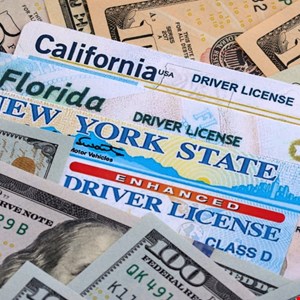


The FBI is currently investigating a potentially vast breach of identity data affecting as many as 170 million individuals across North America. This alarming revelation was first highlighted by investigative journalist Brian Krebs, who uncovered a service called “Nexus.” This illicit platform provided subscribers access to digital scans of identity documents, available on the Exploit Russian cybercrime forum, a notorious gathering place for cybercriminals.
The Nexus service purportedly boasted a staggering collection of over 153 million driver’s licenses, predominantly belonging to American citizens, alongside a variety of other identification documents. These included ID cards, travel documents, medical cards, and more, painting a grim picture of the variety of sensitive data that may have been compromised.
According to reports, the operators of Nexus claimed that this extensive database originated from an active breach of a significant identity verification company. This connection raises serious concerns about the security practices employed by firms that handle sensitive personal information.
Though the Nexus service became inactive shortly after Krebs published his findings, he continued to investigate. Utilizing his expertise, he managed to trace online activities of both his own and other identified victims, leading back to IDScan.net, an identity verification provider based in New Orleans. The firm has since acknowledged the gravity of the situation, announcing that it is currently undertaking its investigation into the breach.
### Understanding the Impact
The implications of this breach could be far-reaching, affecting countless individuals and organizations. Seemant Sehgal, founder and CEO of BreachLock, expressed his concerns regarding the data contained in driver’s licenses. He noted, “A license includes critical information such as the owner’s date of birth, address, physical descriptors, and government-issued identification numbers. This information is sufficient for passing identity verification checks, which many financial institutions and government agencies still regard as secure.”
Sehgal emphasized the severity of the situation, noting that, unlike a compromised password, the information contained in a driver’s license cannot be changed. “Every person included in this dataset will carry this exposure with them for life,” he stated. He further suggested that the current standards for identity verification checks may need significant reevaluation, as the data breach unveils vulnerabilities long overlooked.
Denis Calderone, the Chief Technology Officer at Suzu Labs, echoed Sehgal’s sentiments. He argued that organizations relying on identity verification vendors must undertake a more rigorous inquiry into the practices of these firms. Specifically, he urged companies to scrutinize how long scans of documents are retained after verification and whether there are contractual obligations focused on data minimization. Additionally, Calderone highlighted the lack of infrastructure for individuals to flag compromised driver’s license numbers, revealing a significant gap in security measures.
“There currently exists no system comparable to a credit freeze that would allow individuals to put a hold on their compromised driver’s license numbers,” he stated. This oversight underscores the urgency for firms that collect and centralize government-issued identity documents to adopt robust security protocols. Calderone insisted that the security measures applied to these sensitive data stores should be at least equivalent to, if not greater than, those used for payment card information. He articulated the stark difference in recoverability: “You can get a new credit card number in 24 hours, but you can’t get a new face.”
### Conclusion
As the investigation unfolds, the potential fallout from this identity data breach remains to be seen. The incident serves as a stark reminder of the vulnerabilities present in the digital landscape, particularly concerning the handling of sensitive personal information. With millions potentially impacted, both individuals and organizations must reevaluate their security measures and consider the broader implications of identity data breaches, emphasizing the necessity for improved standards and practices within the industry. The incident also raises pivotal questions about the responsibilities of identity verification companies and the trust placed in them by businesses and consumers alike. As cyber threats continue to evolve, so too must the strategies to combat them.