
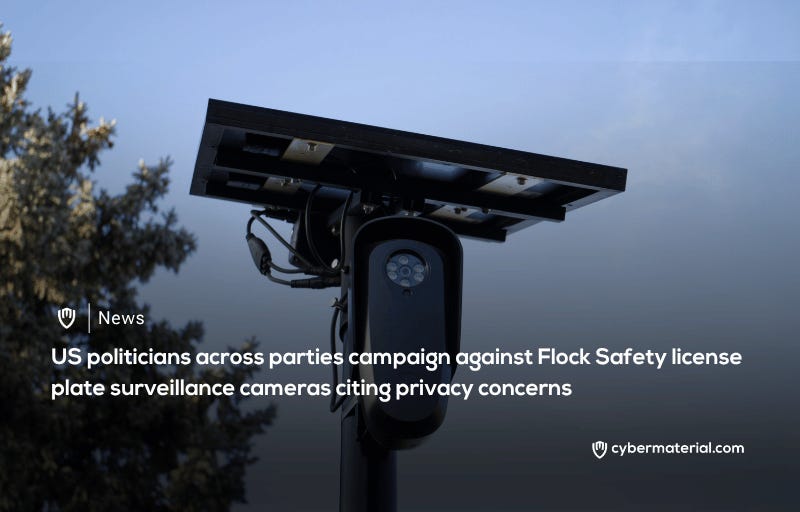


In recent months, a growing bipartisan political opposition has emerged against Flock Safety’s automated license plate reader network. This escalation is marked by proposals from candidates in at least six states advocating for bans or restrictions on this AI-driven surveillance technology. Flock Safety, headquartered in Atlanta, operates a vast network of cameras in approximately 6,000 communities across 49 states. This comprehensive vehicle tracking system records license plates and vehicle details, which law enforcement agencies can access for various investigations.
Prominent political figures have begun expressing their concerns regarding the implications of such surveillance. Notable voices include Pennsylvania Governor Josh Shapiro, Texas Democratic Senate candidate James Talarico, and gubernatorial candidates from both major parties in Wisconsin. Their calls for reforms reflect a mounting apprehension over the implications of unchecked surveillance on citizens’ privacy rights.
The deployment of these cameras has emerged as a contentious issue in broader discussions surrounding government surveillance and personal privacy. Critics contend that the widespread use of this technology essentially constitutes unwarranted tracking of individuals’ movements, a perspective championed by organizations such as the Institute for Justice. This group is actively litigating against the technology, arguing that it violates constitutional protections. Reports have surfaced indicating instances where law enforcement personnel allegedly misused the system to surveil personal associations, further intensifying the concerns regarding oversight and accountability in the use of such surveillance tools.
Contrarily, Flock Safety maintains a staunch defense of its technology, portraying it as an essential public safety resource. The company asserts that its license plate readers have played a critical role in solving approximately one million crimes and help reunite around 10,000 missing individuals with their families. Many law enforcement organizations also endorse the cameras, describing them as invaluable assets. For instance, the National Organization of Black Law Enforcement Executives has warned against the removal of these technologies, arguing that doing so would be a significant misstep. Police officials emphasize the need for maintaining this technology, proposing that it be accompanied by comprehensive guidelines and increased accountability measures rather than facing outright bans.
The proposed restrictions regarding this technology vary markedly across different states. Some of the initiatives include cutting funding for the systems, requiring law enforcement to obtain warrants before conducting searches, establishing statewide task forces focused on privacy protections, and imposing limitations on data retention and sharing practices. A notable example is Florida Governor Ron DeSantis’s directive to remove automated license plate readers from state highway rights-of-way. Meanwhile, Rhode Island has temporarily halted new installations of the cameras. Additionally, candidates in Michigan from various political affiliations are voicing their support for federal legislation aimed at restricting governmental use of Flock technology and preventing federal funds from being allocated for the purchase of such systems.
The controversy surrounding the use of automated license plate readers resonates deeply with broader societal concerns regarding artificial intelligence and the emerging technologies that permeate everyday life. Virginia Tech professor Cayce Myers has characterized this debate as a reflection of public uncertainty about these advancements. Further intensifying the political discourse, former President Donald Trump has announced that his administration is studying the issue, indicating the potential for federal action regarding the surveillance technology.
This ongoing debate illuminates the tension between the needs of law enforcement agencies and the imperatives of privacy rights. Critics of the technology spotlight it as an exemplar of government overreach facilitated through collaborations with tech companies, which they argue prioritize profit over the civil liberties of citizens. As discussions unfold, it becomes increasingly evident that societal values concerning privacy, security, and the role of technology in everyday life are at a critical juncture, demanding careful consideration and a balanced approach to ensure that civil liberties are not overshadowed by technological advancements.
The implications of these debates will likely reverberate well beyond the current political landscape, shaping future policies on surveillance, privacy, and the ethical use of technology within society. As citizens and lawmakers navigate the intricacies of these issues, the outcomes will play a pivotal role in defining the parameters of acceptable governmental oversight and the protection of individual freedoms moving forward.