


The Rise of Lookalike Domains Targeting TypeSafe AI’s Jev Decision Model
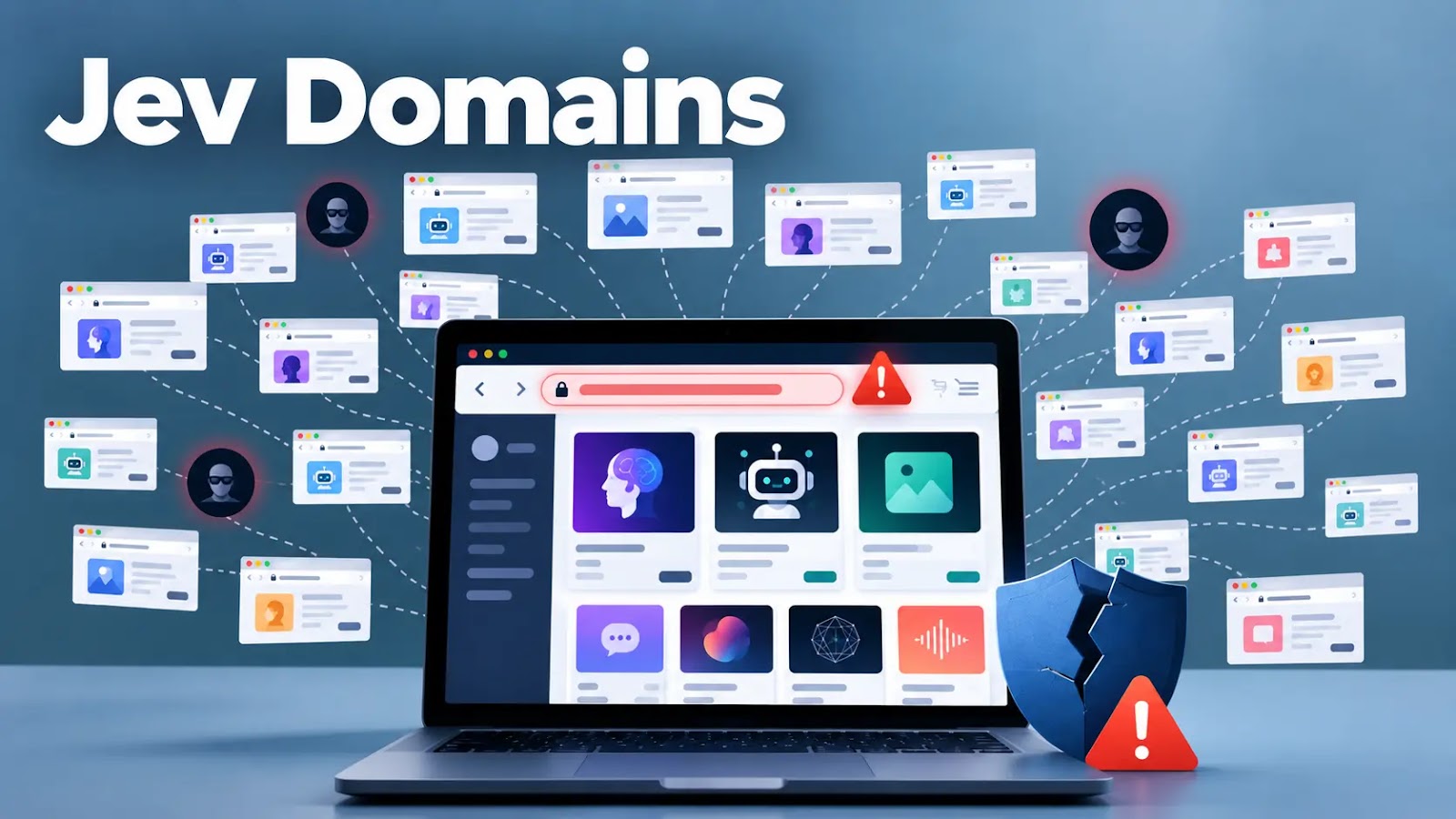
In a startling development following the launch of TypeSafe AI’s new Jev decision model on September 15, 2023, there has been a notable surge in lookalike domains associated with the brand. In just eight days after the product’s debut, approximately 670 domains branded with “jev” had obtained TLS certificates, raising concerns among security experts. This influx of clone domains suggests a burgeoning industry targeting unsuspecting users and developers eager to leverage the innovative capabilities of Jev.
TypeSafe’s Jev is touted as a "System One" model crafted to deliver structured outputs, making it far more suitable for automation workloads demanding predictable, schema-bound data than for conventional conversational engagement. The model efficiently returns typed decisions, choices, and yes/no outcomes, positioning it as a transformative tool in AI-driven decision-making. However, the immediate interest it has evoked has also paved the way for opportunistic domain operators keen on capitalizing on its growing popularity.
Observations regarding several of these lookalike domains, which have emerged as unofficial API storefronts, indicate that they are charging customers significantly more—up to 11.5 times the official rates set by TypeSafe. These domains utilize TypeSafe’s infrastructure by proxying requests, effectively acting as intermediaries. Such arrangements not only inflate costs for users but also introduce grave data-security risks. Users might unknowingly expose prompts, which could share proprietary data, customer information, or confidential business information, allowing them to pass through these third-party channels.
The official pricing structure set by TypeSafe for Jev sees input processing rates at a reasonable $0.042 per million tokens, equating to $42 per billion tokens. Output remains free, given the model’s focus on structured decisions rather than generative text. In contrast, the monthly subscription options advertised by sites like jev-ai.pro and jev-agent.org demonstrate starkly inflated costs, ranging from $0.247 to $0.483 per million tokens—circumventing the company’s competitive pricing and luring in those unfamiliar with the official rates.
These unauthorized storefronts cleverly mimic TypeSafe’s own interface, thereby establishing a false sense of authenticity. They offer supposed API documentation, playground environments, and intricate pricing structures designed to entice developers into making immediate purchases. While these sites may display disclaimers indicating a lack of affiliation with TypeSafe, those warnings are often relegated to footers or legal pages, obscuring the reality of their status during the purchase process.
Recent research by Eye Security has highlighted that web searches for “Jev AI” and "Jev TypeSafe" often yield links to these clone websites, such as jev-ai.pro and jevtypesafeai.com, which appear at the top of search results above TypeSafe’s legitimate offerings. This oversaturation of lookalike domains has created a minefield for potential users, who may inadvertently engage with unscrupulous operators instead of the intended official platform.
Further investigation revealed that many of these domains exhibited a repetitive structure and were rolled out in quick succession, with one cluster emerging within an 18-day timeframe. This sequence suggests a systematic approach to monetizing the increasing demand for high-quality AI services: identify a trending product, establish a keyword-rich domain name, replicate a commercial interface, and connect to the official upstream service—all while demanding a substantial markup from users.
Alarmingly, some legal disclaimers included on these websites possess effective dates that predate the actual domain registrations. Such discrepancies raise ethical concerns about the legitimacy of these platforms. Notably, a significant spike in registrations—about 170 for “jev” on a single day—was recorded shortly after the Jev model’s official launch.
Despite the boom in keyword-rich domain registrations reflecting a growing interest, it is important to recognize that not all newly formed domains are malicious. Some pertain to guides, community projects, or other benign purposes. However, the surge heightens the risk of phishing, typosquatting, SEO poisoning, and credential theft, particularly as demand outstrips the availability of verified access to the legitimate Jev model.
In light of this situation, it is imperative for organizations and developers to engage with the Jev model solely through TypeSafe’s official channels, including typesafe.ai and console.typesafe.ai. Verified third-party providers listed by researchers, such as OpenRouter, Vercel AI Gateway, and Cloudflare AI Gateway, should also be prioritized to avoid the perils posed by unauthorized intermediaries.
Security teams are advised to implement a thorough vetting process for vendor links, confirming their legitimacy through official documentation rather than relying on search engine results. Additionally, comparing token rates with TypeSafe’s published prices will provide users with clarity and protection against inflated charges.
For any serious production workloads, it is crucial to consider carefully any intermediary lacking transparency in legal status, security protocols, data retention policies, or service-level agreements. Treating these potential risks as significant vulnerabilities in supply chains and data governance is essential for safeguarding sensitive information in today’s digital landscape.