


Voluntary AI Accord Faces Skepticism Amid Concerns Over Enforceability
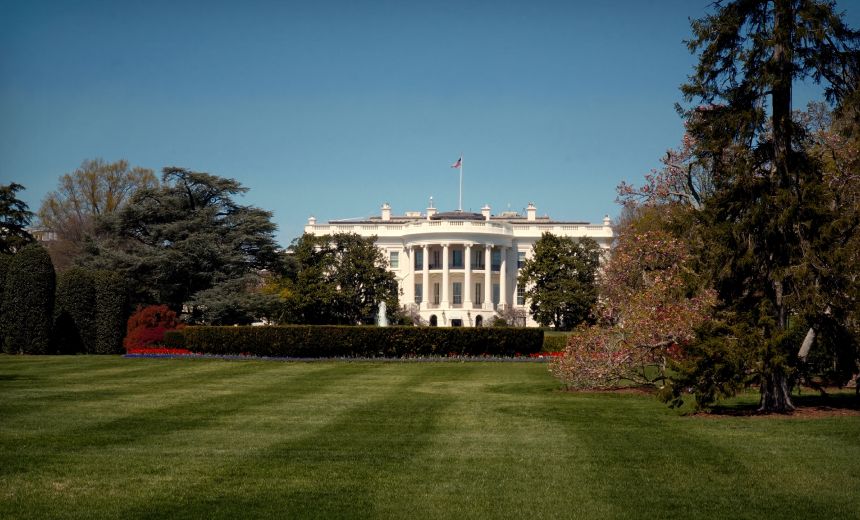
A significant wave of skepticism is emerging regarding the AI Accord, which was recently signed at the White House. This agreement urges technology companies to engage in voluntary self-regulation aimed at mitigating the risks associated with their artificial intelligence products. Observers question whether this initiative will adequately address the growing public unease surrounding AI technology.
The accord was unveiled alongside an executive order signed by President Donald Trump. This executive order boldly declares that the terminology surrounding artificial intelligence has evolved beyond its original implications, instructing federal agencies to refrain from using the term "artificial intelligence," instead opting for "super intelligence" or SI. This rebranding initiative was initially previewed by Trump during a speech at the United Nations, reflecting a shift in how the government perceives and interacts with this burgeoning technology.
Prominent figures in the tech industry, including the CEOs of OpenAI and Anthropic—the leading companies in frontier AI—also signed the accord. Other signatories include executives from major corporations like Google, Meta, X, and Nvidia, the chip manufacturer responsible for many high-performance processors utilized in AI. The accord encourages developers to adopt a comprehensive safety framework that involves internal controls, internal oversight, and an independent external review that reports directly to the board of directors.
Despite the high-profile endorsements, experts express significant concerns about the lack of enforceability associated with the accord. Michelle Lopes Maldonado, the associate director of AI policy at the Information Technology and Innovation Foundation, articulated her skepticism, stating, "It’s great that they all signed, but the problem is, there’s no enforcement mechanism. It’s got no teeth." President Trump, however, characterized the agreement as "morally binding," emphasizing the weight of the commitments made by the signatories.
The nature of the accord is also under scrutiny; it lacks definitive pledges from the companies involved. Maldonado pointed to the wording in the document, which states "companies should," rather than "we the undersigned will," highlighting its normative rather than promissory nature. This distinction has raised alarms about the sincerity and seriousness of the commitments involved.
Public sentiment in the United States reflects a growing wariness about AI technologies. Polling data from SSRS/CNN indicates that a striking 71% of Americans believe the government is doing insufficiently to regulate the development and expansion of AI. Furthermore, a New York Times/Siena College poll revealed that 61% of likely voters oppose the construction of new data centers, further underscoring a pervasive apprehension regarding these technologies.
Experts like Anthony Aguirre, president and CEO of the Future of Life Institute, argue that AI companies cannot be trusted to self-regulate. He expressed concerns that the existence of the accord suggests that society has long since moved past debating whether these technologies are dangerous or require regulation. “Self-regulation is what has gotten us teen suicides, 1,200 rogue AI bots, and an international cybercrime spree,” Aguirre stated. He advocated for legislative measures that would impose binding safeguards without delay.
In contrast, some experts see the voluntary framework as a pragmatic approach in the current political landscape, especially with Congress preoccupied by upcoming midterm elections. Rob Lee, chief AI officer and chief of research at the SANS Institute, articulated that while regulation must originate from Congress—a process that is inherently time-consuming—this voluntary agreement allows the industry to begin taking steps forward during this transitional phase. He argued that even voluntary standards could establish a baseline for AI developers, similar to how companies were held to standards of "reasonable cybersecurity" following data breaches.
Maldonado speculated that the rebranding effort to "super intelligence" may be an attempt to shift public opinion and ease some of the fears surrounding AI technologies. “You could see this as an effort to try and steer the conversation to more positive outcomes,” she remarked, though she ultimately categorized it as merely a "terminology tweak."
Lee echoed the uncertainty surrounding the efficacy of the name change, suggesting it was a "50/50 shot" for lasting impact. Whether vendors will accept the new terminology remains to be seen. If companies begin to market their products as "super intelligence" as opposed to traditional "artificial intelligence," it could mark a significant shift in public perception.
As the discourse around artificial intelligence evolves, so too will the strategies adopted by industry leaders and policymakers. How the AI Accord will influence the landscape remains a pivotal question, with stakeholders keenly observing developments as society grapples with the implications of this transformative technology.