


3rd Party Risk Management,
Artificial Intelligence & Machine Learning,
Fraud Management & Cybercrime
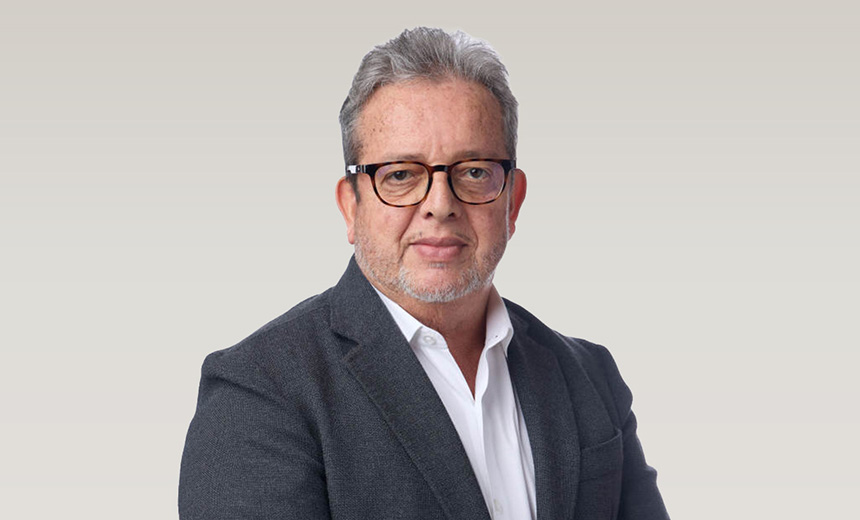
Mohamed Daoud on How AI, Continuous Monitoring Are Changing Risk Detection
The landscape of third-party risk management is undergoing a significant transformation, primarily due to heightened regulatory scrutiny, geopolitical disturbances, and the increasing reliance on global technology. These factors have revealed deeper vulnerabilities within supply chains and ownership frameworks, prompting organizations to consider not just immediate partners but also the entire network of relationships that may affect their operations. Mohamed Daoud, who serves as the director and industry practice lead for financial crime and third-party risk compliance at Moody’s, asserts that the era of superficial risk assessment has come to an end. Companies must now dig deeper to unveil hidden relationships and evolving threats that could imperil their objectives.
Effective risk management has, in recent years, shifted focus from merely assessing Tier 1 banks to encompassing a broader spectrum, including various financial institutions and even corporations across sectors. Daoud emphasizes that as banking controls become increasingly sophisticated, they inadvertently push illicit activities into lesser-regulated areas such as trade and commercial interactions. This observation underscores the pressing need for organizations to adapt and expand their risk assessment frameworks.
Moreover, the rise of cloud computing has introduced a complex layer to how third-party risk is evaluated. Daoud points out that the landscape evolves continuously, as organizations may partner with entities located across the globe, often without explicit awareness of where certain services originate. “You can work with a company on the other side of the world without knowing that this company, in fact, is supplying you [with] services from a foreign country,” he clarified. This nuanced understanding of risk signifies that traditional assessments are becoming increasingly obsolete and need to evolve into more comprehensive evaluations.
In a video interview with ISMG, Daoud elaborated on several pressing issues affecting third-party risk management in today’s interconnected business environment. Key points highlighted include:
- The revolutionary role of artificial intelligence in linking organizations across complicated global ownership structures; AI not only surfaces hidden relationships but also provides critical insights into potential risks.
- The necessity for compliance decisions to remain transparent, explainable, and auditable as organizations start to adopt more automated processes, fostering a culture of accountability even in automated settings.
- Why successful third-party risk management increasingly requires the alignment and collaboration of various departments—including technology, cybersecurity, procurement, and compliance teams. This multidisciplinary approach is vital for a comprehensive understanding of potential threats arising from third-party relationships.
Mohamed Daoud brings over 30 years of extensive experience in banking, finance, and corporate sectors spanning various regions, including Europe, the Middle East, Africa, and South Asia. His varied expertise encompasses governance, risk, and compliance, as well as understanding regulatory frameworks, operational processes, fintech innovations, and regtech solutions. This comprehensive background positions him as a thought leader in the field, particularly in how organizations can navigate the complexities of third-party risk in a rapidly changing global landscape.
As the conversation around risk management continues to evolve, Daoud’s insights serve as a crucial reminder that organizations must be vigilant and proactive in their efforts to mitigate risks associated with third-party partnerships. The importance of a holistic approach to risk management cannot be overstated, given the interconnectedness of today’s global economy and the multifaceted challenges that arise from it.