
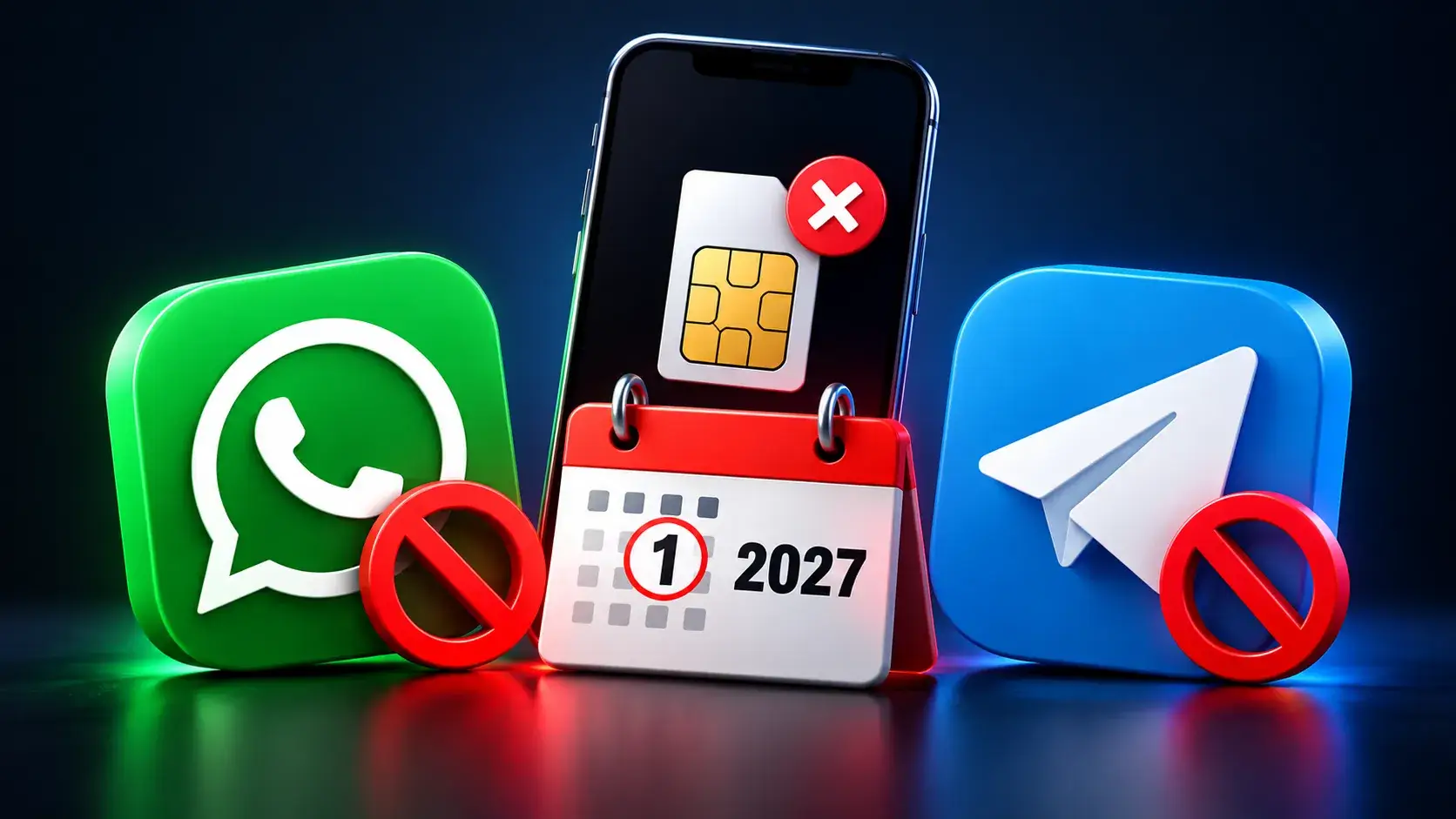


Access Restrictions Loom for WhatsApp and Telegram Users in India Starting 2027
WhatsApp and Telegram users across India are poised to face potential access limitations beginning January 1, 2027, as messaging platforms begin to comply with the Indian government’s new SIM-binding regulations. This regulatory move, established by the Department of Telecommunications (DoT), underscores a significant shift in how messaging services manage user accounts.
Deadline for Compliance
The DoT has mandated that all messaging services adhere to this SIM-binding requirement by December 31, 2026. Under these new regulations, accounts must remain linked to an active SIM card associated with the registered mobile number. This change is particularly directed towards accounts that continue to operate even after their originally registered SIM card has been removed, replaced, or deactivated. The regulations aim to enhance the security of mobile communication by ensuring that each messaging account is consistently tethered to valid and active SIM credentials.
The degree of restrictions imposed on users will depend significantly on how each messaging platform decides to implement these requirements. Unlike an immediate universal shutdown once a SIM becomes inactive, some platforms may allow for a grace period or alternate methods of verification.
Understanding the New SIM Binding Rules
Traditionally, messaging applications authenticate users by requiring mobile number verification, achieved by sending a verification code via SMS. Once this verification is completed, users can continue to access their accounts over Wi-Fi, even in the absence of the SIM card. The forthcoming SIM binding rules, however, necessitate a continuous connection between the messaging account and its registered SIM. This means that verification alone will no longer suffice; platforms will now be required to actively ensure that the mobile identity associated with the account remains connected to an active SIM card.
Reports from CNBC TV18 suggest that these regulations will extend to eSIM profiles as well, indicating that compliance will not exclusively pertain to traditional physical SIM cards. The focus now is on whether the registered number continues to be active and can be verified.
The DoT has expressed concerns over the misuse of mobile numbers, particularly through persistent messaging sessions. They have identified a growing trend of criminals exploiting the lack of stringent SIM management, which can lead to fraudulent activities such as cross-border scams, impersonation of officials, and other deceptive practices that pressure victims into performing financial transfers.
In line with the recently introduced Telecom Cyber Security Rules of 2024, these directives are designed to reinforce the relationship between telecom identifiers and communication services, thus reducing opportunities for criminal activity through accounts that are not properly linked to active SIMs.
Impact on Various Messaging Platforms
The original directive includes a range of messaging platforms such as WhatsApp, Telegram, Signal, Snapchat, Arattai, ShareChat, Josh, and JioChat. However, there are ongoing discussions about the specific implementation and compliance status of individual services, particularly regarding platforms like Snapchat and Signal, making platform-specific updates crucial for users.
Individuals accessing their messaging accounts on secondary devices, such as tablets or other phones without the requisite registered SIM, may anticipate facing restrictions. Furthermore, travelers who replace their home SIM with local cards when abroad will need to examine their account settings closely to ensure that compliance with the new rules is maintained.
Additionally, the regulations extend to web sessions. While initial guidelines suggested logout intervals of no more than six hours, later updates indicate a shift towards a more flexible, risk-based strategy, rather than imposing a strict logout requirement that applies universally.
Navigating the Changes
Users are urged to keep their registered numbers active and to remain vigilant by following official instructions from their respective messaging platforms. December 31, 2026, marks the compliance deadline, yet the details surrounding the frequency of verification, behavior across linked devices, and account restoration processes will be largely determined by how each service implements the new rules. It is important to underscore that these regulations focus on enhancing account security and authentication rather than instituting an outright ban on any particular smartphone models.
As the deadline approaches, both users and messaging platforms alike will need to prepare for this transformative shift in how mobile messaging is managed, aiming ultimately to bolster cybersecurity while ensuring continued access to critical communication tools.