


The Resilience of Infy: Unraveling a Monumental Iranian Hacking Group
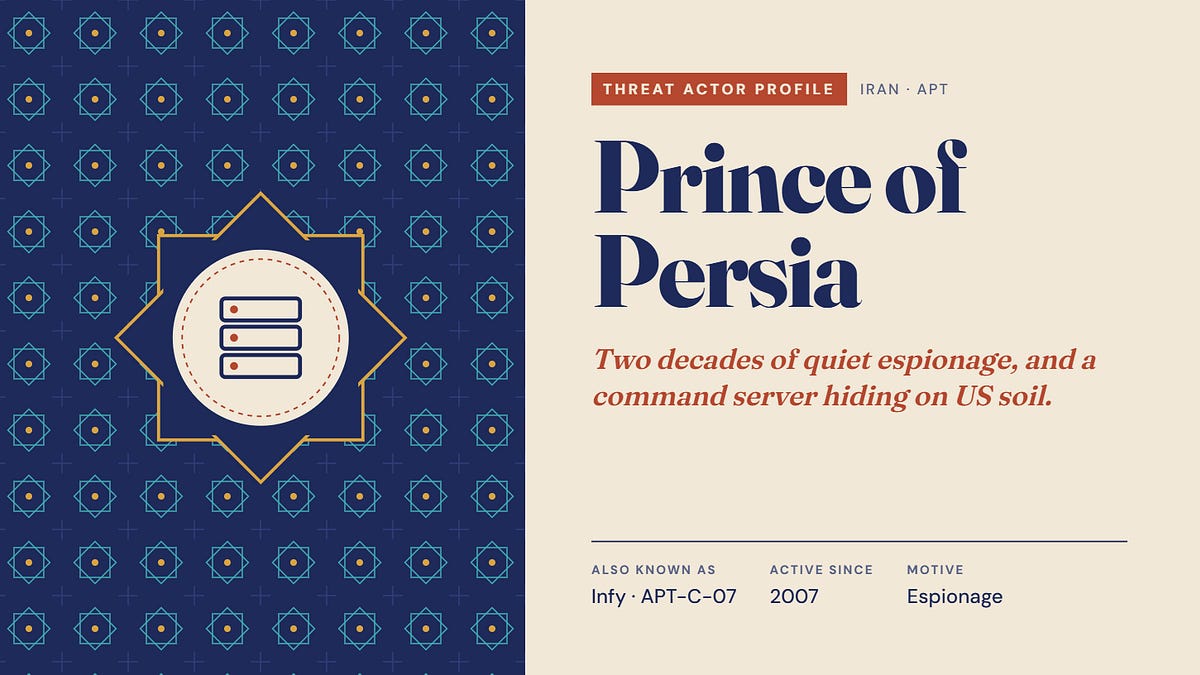
In the evolving landscape of cyber warfare, certain entities stand out for their resilience and strategic approach. Among these is the notorious Iranian hacking group known as Infy, initially referred to as the "Prince of Persia." Over the last two decades, this group has managed to persistently engage in espionage against individuals and organizations deemed significant by Tehran. Despite multiple exposures and efforts to dismantle their operations, Infy has consistently rebuilt and adapted, showcasing an impressive capacity for self-preservation.
Infy is recognized as one of the oldest state-linked hacking groups from Iran, embodying a blend of stealth and precision in their approach. Unlike many modern hacking organizations that might resort to loud, attention-grabbing attacks such as ransomware or data wiping campaigns, Infy’s modus operandi is characterized by discreet yet targeted espionage activities. This calculated silence allows them to infiltrate systems over time, ensuring they remain beneath the radar while achieving their objectives.
The group operates with a small number of operatives, a stark contrast to newer, larger hacking organizations that rely on mass operations and widespread attacks. Their approach involves meticulously selecting their victims and engaging in a methodical infiltration process. This patience-oriented attitude is a strategic decision that emphasizes the quality and significance of their targets over the quantity of their attacks.
In 2016, cybersecurity researchers made significant progress in mitigating Infy’s activities. They successfully dismantled key elements of the group’s infrastructure, stripping them of crucial capabilities. However, true to their nature, Infy showcased an extraordinary capacity for regeneration. Despite suffering setbacks, the group redeployed its operations and adapted to maintain its cyber-espionage activities.
As recent as 2025, Infy faced another wave of scrutiny when security analysts once again exposed their operational tactics and infrastructure. Yet, instead of faltering, the group responded by rebuilding once again, demonstrating a remarkable commitment to their espionage mission. The persistence exhibited by Infy may point to robust backing and support systems within the Iranian state, allowing them to recuperate and reformulate their strategies effectively.
One of the more intriguing developments in Infy’s operational history occurred in October 2026 when researchers discovered a command server linked to the group hosted on a budget shared web hosting service in the United States. This unexpected revelation raised several questions about the group’s operational choices and security protocols. The use of mainstream hosting services might indicate a shift in strategy or perhaps a sign of overconfidence in the group’s ability to evade detection.
The significance of Infy’s actions extends beyond mere espionage. As they continue to evolve, there are vital lessons that defenders should glean from their ongoing saga. Organizations and individuals must recognize the importance of cybersecurity vigilance, especially against highly adaptable threats like Infy. Given the group’s historical pattern of rebuilding and adapting, it is essential for potential targets to bolster their defenses while staying informed about the tactics and strategies employed by such entities.
Moreover, Infy’s history emphasizes the importance of continuous monitoring and assessment of cybersecurity measures. Static defenses may prove inadequate against groups that can quickly recover from setbacks. Adopting proactive strategies, such as regular security audits, incident response planning, and employee training about phishing and social engineering tactics, becomes imperative in a climate where espionage threats are omnipresent.
In conclusion, the enduring presence of Infy underscores the complexities of cybersecurity in a world increasingly reliant on digital infrastructures. Their ability to thrive amid repeated exposures and efforts to dismantle their operations serves as a stark reminder of the nuanced landscape of cyber threats. As organizations strive to protect themselves, the case of Infy serves as a crucial study in resilience, adaptation, and the enduring battle against cyber espionage.