
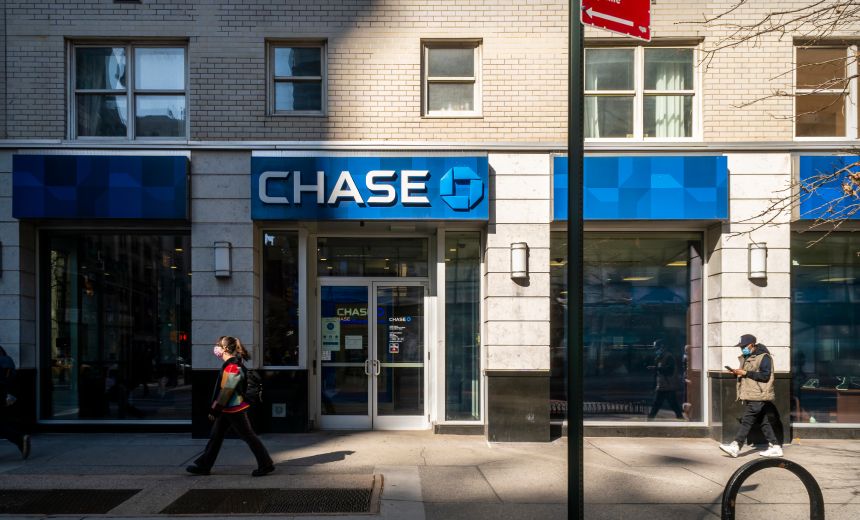


JPMorgan Chase Attributes Service Disruptions to Software Bug; No Cyberattack Detected
On November 16, 2026, a software defect at JPMorgan Chase led to significant disruptions affecting account logins, transfers, and transactions across the U.S. banking landscape. The glitch was reported during the afternoon, causing a ripple effect that impacted numerous banks and financial services.
The outage initially became noticeable when customers began voicing complaints about difficulties in accessing funds and conducting online transactions. According to reports on Downdetector, issues surfaced around 9:30 a.m. Eastern Time, with Chase customers leading the wave of outage notifications. JPMorgan Chase, which caters to a vast clientele of approximately 86 million individuals through over 5,000 branches nationwide, became the focal point of this widespread disruption.
A spokesperson for Chase clarified, "JPMorgan Chase has experienced a temporary issue related to a software bug in on-premise hardware systems; there is no evidence this is cyber-related." This assertion was intended to alleviate concerns that the disruptions were connected to a larger cybersecurity threat. The bank further emphasized that while the service delays were notable, they did not represent a systemic issue. Instead, they characterized the experience of other banks as being influenced by the slowness of transactions that involved interactions with Chase.
As the day progressed, various other financial institutions, including Bank of America, U.S. Bank, Wells Fargo, Capital One, Zelle, Truist, PNC Bank, TD Bank, and American Express, also indicated that they were experiencing similar service interruptions. Customers expressed their frustration as complaints multiplied, evidencing the scale of the disruptions.
Customers were assured that, despite the temporary setbacks, they still retained access to their accounts and funds. JPMorgan Chase projected that the technical difficulties would be resolved by the end of the day. Furthermore, Zelle, a popular payment platform utilized by multiple banks and credit unions, noted a surge in issues shortly following the initial disruptions. Nevertheless, Zelle representatives insisted that their platform was operating normally, suggesting that the banking experience was convoluted due to problems arising at the financial institutions.
U.S. Bank reassured its clients that its systems remained intact and were not directly affected by the Chase bug. However, they indicated that users trying to send or receive Zelle payments could experience delays due to complications with transactions involving other banking institutions. Both Truist and Capital One also stated that they were functioning normally, despite the broader implications of the Chase software bug.
Interestingly, the timing of the Chase disruption coincided with a series of technical challenges that the company faced just days earlier. They had recently undergone a network capacity upgrade facilitated by Microsoft, which disrupted its suite of applications. This event also followed a nationwide flight ground stop, triggered by upgraded routers that overwhelmed air traffic control communication systems. This confluence of technical changes prompts questions about the reliability and resilience of banking technologies in times of heightened customer reliance.
The ripple effect of the JPMorgan Chase software bug serves as a stark reminder of the complexities involved in modern banking operations. While technological advancements promise improved efficiency and convenience, they also introduce vulnerabilities that can have widespread consequences. As financial institutions continue to integrate more sophisticated technologies, the potential for similar incidents raises concerns for both operational integrity and customer trust.
Though Chase’s spokesperson reassured customers that the technical issue was unrelated to cyber threats, the event underscores the importance of robust risk management practices within the financial sector. As banks rely increasingly on tech-driven solutions, the resilience of these systems remains paramount not only for customer satisfaction but also for maintaining the overarching stability of the banking ecosystem.
In conclusion, while JPMorgan Chase attributed the disruptions to a software flaw and ensured no evidence of a cyberattack, the incident highlights the fragility of interconnected banking systems. Customers and financial experts alike will be watching closely to see how Chase and other financial institutions respond and implement changes to prevent such occurrences in the future.