


Events,
Healthcare,
Incident & Breach Response
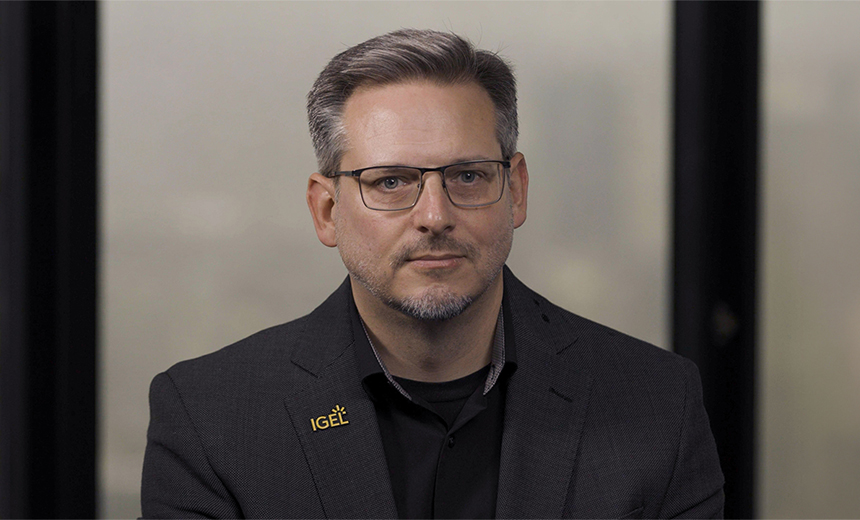
IGEL’s Jason Mafera on Preventive Security and Healthcare Resilience
In the realm of healthcare continuity, endpoint devices are frequently neglected in planning efforts, according to Jason Mafera, the field Chief Technology Officer (CTO) for Healthcare at IGEL. As healthcare organizations channel significant resources into recovering infrastructure and applications post-incident, the role of endpoint devices becomes critically important. Mafera argues that conventional security strategies, which primarily focus on identifying and responding to threats, are inadequate. Instead, he stresses the necessity for preventive security measures and the implementation of secure-by-design endpoints across healthcare environments.
Mafera points out that the presence of reliable devices for healthcare professionals is vital. If these devices fail, hospitals face the real risk of enduring interruptions in patient care. He highlights that centralized endpoint management, the establishment of immutable environments, and capabilities for rapid recovery are essential components that allow healthcare organizations to sustain their operations during adverse events. “The disruption to operational flow caused by a security incident can be as detrimental as the exposure of sensitive data,” Mafera stated, underlining the dual threat that healthcare organizations face.
In a recent video interview conducted by Information Security Media Group (ISMG) during the Microsoft Ignite 2026 conference, Mafera elaborated on several pivotal issues related to cybersecurity and operational resilience in healthcare. He stressed the significance of thorough recovery planning to minimize any potential interruptions to patient care. According to him, recovery planning should be a cornerstone for healthcare organizations, ensuring that they are prepared to respond effectively to any incidents that may arise.
Moreover, Mafera discussed the importance of integrating zero trust principles within healthcare environments. While security is paramount, he emphasized the need to balance this with the demand for fast, frictionless access for healthcare personnel in clinical settings. This dual focus is critical for ensuring that security measures do not hinder clinical workflow and patient care, which are essential components in healthcare delivery.
Mafera also showcased how IGEL’s business continuity capabilities can facilitate a seamless transition between environments. In practical terms, he explained that Windows devices, when properly configured, can switch to a secure IGEL environment in less than two minutes. This rapid transition is crucial for maintaining operational continuity during a cyber incident.
With over two decades of experience in enterprise and SaaS software development, Jason Mafera brings a wealth of knowledge to the discussion of cybersecurity in healthcare. His expertise encompasses essential areas such as digital identity, authentication, IT security, and the Internet of Things (IoT). Throughout his career, he has been at the forefront of product innovation, leading high-performing teams, and has been responsible for multiple patents in secure authentication technology.
As healthcare systems become increasingly reliant on digital technologies, the issues of endpoint security and operational resilience will only grow in importance. The perspectives shared by Mafera not only shed light on the current landscape but also highlight the critical need for healthcare organizations to adopt forward-thinking strategies in their cybersecurity practices. By focusing on preventive measures, understanding the importance of endpoint reliability, and employing comprehensive recovery planning, healthcare institutions can better safeguard their operations, ensuring they continue to deliver uninterrupted care to patients.