
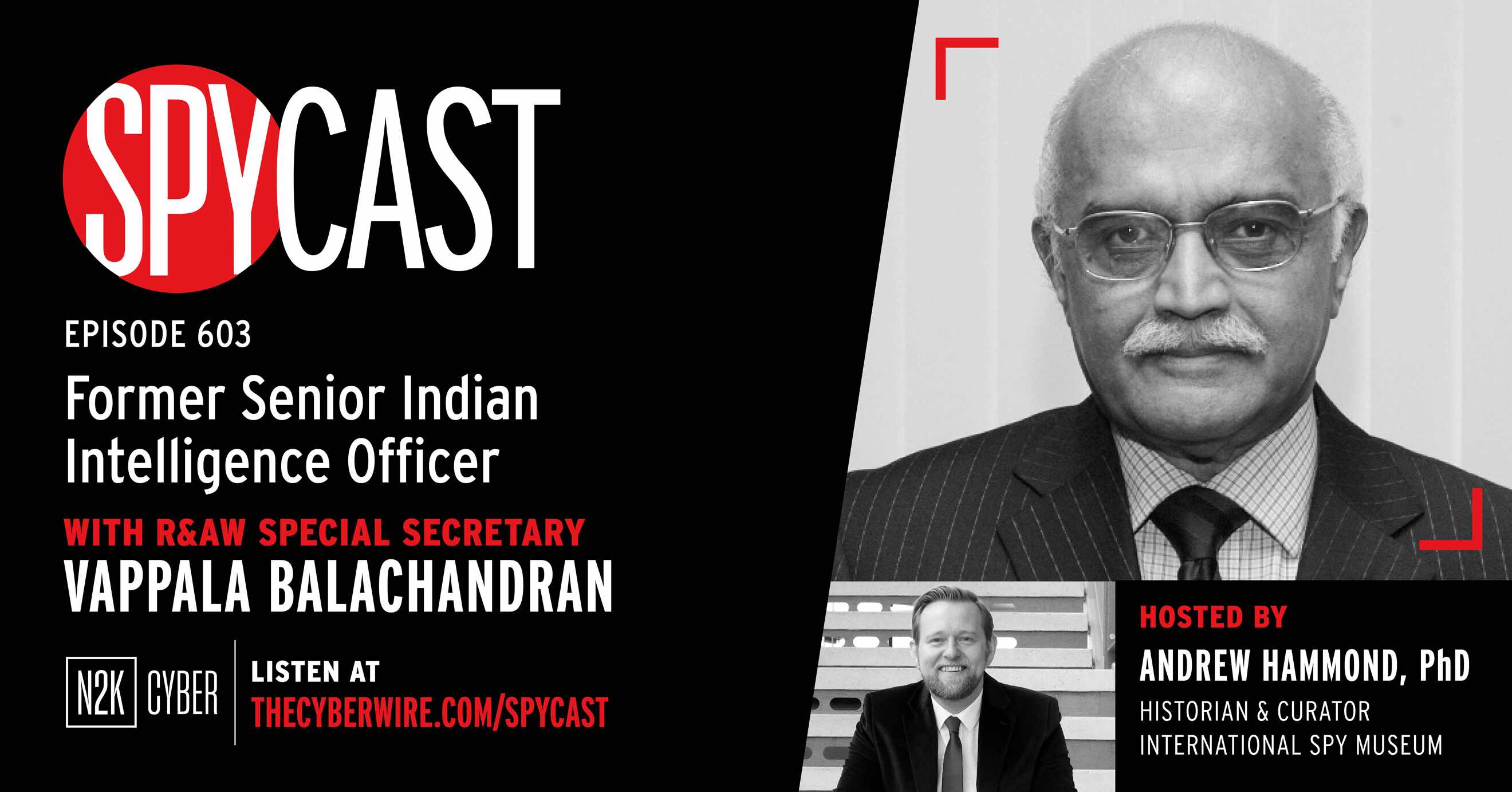


In a recent interview with Vappala Balachandran, former Special Secretary for India’s Research and Analysis Wing (RAW), he discusses his career and the ancient roots of espionage in India. Balachandran served as the #2 leader of Indian intelligence for two decades and has authored several books on the subject. His most recent book, “Intelligence Over Centuries,” explores the history of spycraft from pre-biblical times through the current conflict in Ukraine.
During the interview, Balachandran and Andrew Hammond delve into various intelligence topics, including India’s Research and Analysis Wing, the threat posed by the Tamil Tigers to Indian national security, intelligence considerations within India-Pakistan relations, and lessons in intelligence from ancient India.
One of the key insights shared by Balachandran is the importance of intelligence in diplomacy and national security. He discusses how incidents happening in neighboring countries, such as Pakistan and Afghanistan, can have repercussions in India. The Research and Analysis Wing plays a crucial role in monitoring and analyzing these incidents to ensure the country’s safety and security.
Balachandran also emphasizes the significance of learning from history and ancient civilizations. He believes that intelligence is the second oldest profession, dating back to the earliest civilizations in India. He draws insights from ancient texts and traditions to shed light on the evolution of spycraft over the centuries.
The interview also touches upon Balachandran’s transition from being a leader in Indian intelligence to becoming a student once again. After retiring from his position, he dedicated his time to conducting research and writing books on intelligence. This transition allowed him to delve deeper into the subject and explore its historical roots.
Furthermore, the interview highlights the cultural diversity of Balachandran’s home state, Kerala. Known for its beautiful landscape and high literacy rate, Kerala is also home to India’s oldest mosque, Catholic church, and synagogue. These places of worship, dating back centuries, continue to be active and serve as a testament to the state’s linguistic and religious diversity.
The interview concludes with a quote from Balachandran, where he reflects on the pressure and challenges faced by intelligence agencies. He emphasizes the need for constant vigilance and intelligence gathering to ensure the safety and security of the nation.
In summary, Vappala Balachandran’s interview provides valuable insights into the world of intelligence and the ancient roots of espionage in India. His perspective as a former leader in Indian intelligence offers a unique understanding of the challenges and considerations involved in this field. Through his research and writings, Balachandran sheds light on the historical evolution of spycraft and the importance of intelligence in diplomacy and national security.