
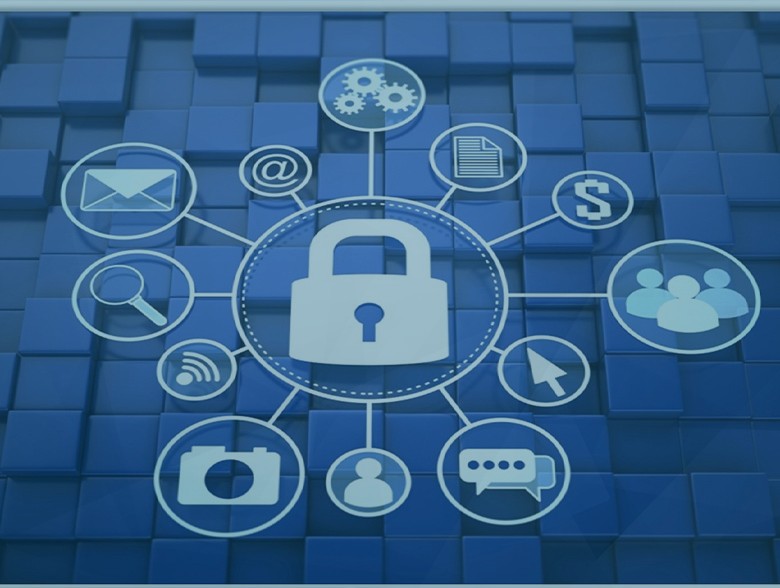


The Internet of Things (IoT) is facing increasing security challenges, as many IoT assets are vulnerable to cyber attacks. Experts suggest that the design of IoT systems should pay more attention to security, especially in terms of implementing better cryptography for communication channels and end user data. Such enhancements are crucial for the next generation of IoT solutions.
In order to address the security requirements of IoT, it is important to emphasize the need for improved risk management and best practices. This includes ensuring that IoT solutions offer robust security and privacy protection. Many current IoT solutions are riddled with security vulnerabilities and rookie mistakes, highlighting the urgency for better security measures.
It is crucial for IoT systems to implement proper hardware, software, and network configurations in order to minimize security risks. Additionally, regular maintenance of these systems along with the implementation of disaster recovery and business continuity plans are essential for addressing any potential security threats.
Looking ahead, the focus should also be on the development and deployment of new IoT systems that prioritize cyber defense. This includes the implementation of stronger encryption and secure communication channels for devices. An emphasis on better device security, disaster recovery plans, business continuity strategies, and advanced encryption solutions will be imperative for the future of IoT.
In practice, it has been observed that many IoT solutions lack proper software, hardware, and network configurations, leaving them vulnerable to security breaches. Additionally, inadequate authentication practices, such as weak usernames and passwords, further compromise the security of IoT systems. Addressing these issues is essential for enhancing the security capacities of IoT solutions.
The future of IoT will require a significant focus on improving encryption capabilities. While this may come with its own challenges, the need for enhanced security measures to address evolving threats and vulnerabilities is paramount. Addressing these challenges will be crucial for the future of IoT technology.
In conclusion, securing IoT systems remains a significant challenge that requires immediate attention. By prioritizing the implementation of stronger security measures, the IoT industry can mitigate potential risks and vulnerabilities. Collaboration within the expert community will be essential in devising effective solutions for a more secure IoT environment.
About The Author
Milica D. Djekic is an Independent Researcher with a background in engineering from the University of Belgrade. She is an author and speaker, focusing on cyber defense, technology, and business. Her research contributions have been recognized by various cybersecurity organizations, and she is committed to addressing the challenges of IoT security.