
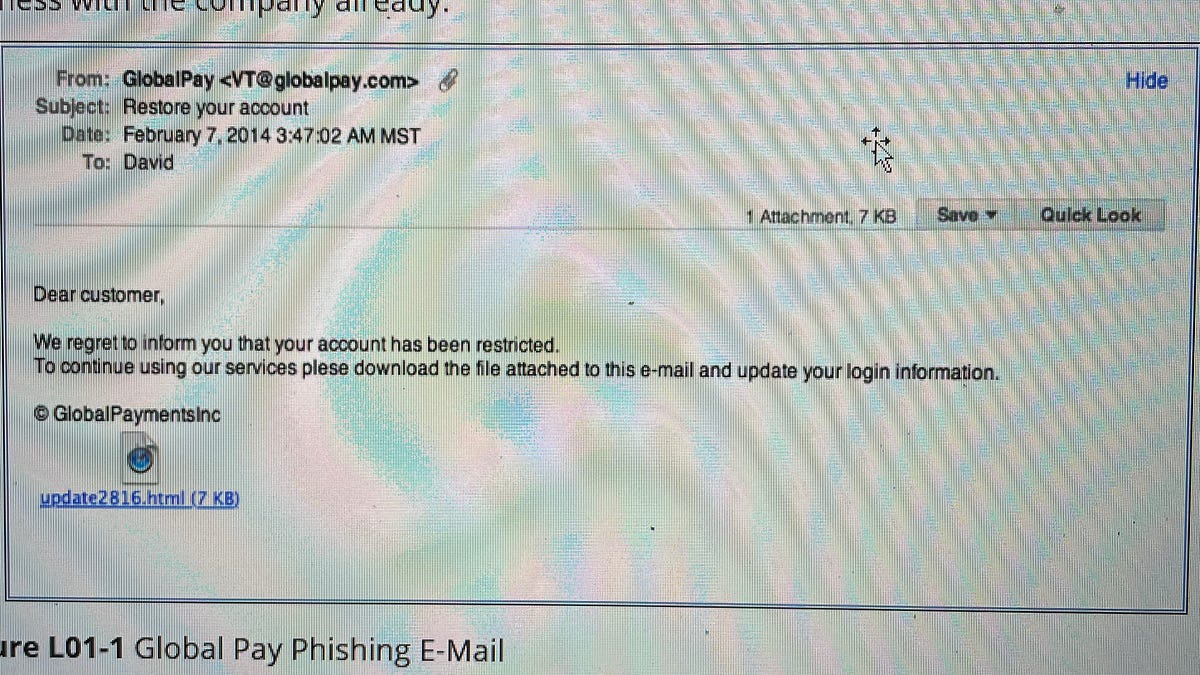


In the vast landscape of the internet, navigating your way around can be a treacherous journey, especially when it comes to protecting yourself from scammers and cybercriminals. One common method used by these unscrupulous individuals is phishing emails, where they impersonate legitimate companies in an attempt to steal your personal information. However, there are ways to spot these scams and protect yourself from falling victim.
One telltale sign of a phishing email is if you receive an unsolicited message that appears to be from an official institution, such as a bank or a popular online retailer. These emails often contain links or attachments that, when clicked on, can lead to malicious websites or download harmful software onto your computer. Most reputable companies do not ask for sensitive information, such as passwords or credit card details, via email. If they do need information from you, they will usually direct you to their official website or mobile app.
Another red flag to watch out for is the generic salutation used in phishing emails. Legitimate companies will usually address you by your name in their correspondences. If you receive an email that starts with “Dear valued member” or “Dear customer,” it is likely a phishing attempt. Additionally, some hackers may completely omit a salutation, especially in promotional emails. It’s essential to be skeptical of any email that does not address you personally.
One way to verify the legitimacy of an email is to check the domain name of the sender. Hover your mouse over the sender’s email address to ensure it matches the official domain of the company they claim to represent. Fraudsters may try to deceive you by using slightly altered domain names, such as adding numbers or letters to the original domain name. For example, an email address that appears to be from “michelle@paypal.com” but is actually from “michelle@paypal23.com” should raise suspicion.
In a recent example of a phishing email targeting unsuspecting consumers, a fake message purportedly from Costco was identified. While the email contained the recipient’s name and the Costco logo, closer inspection revealed discrepancies, such as the email being sent from a different domain, “cbcbuilding.com,” instead of the official Costco domain. Additionally, the absence of the “https://” protocol in the provided link was a clear indicator of potential fraud.
In conclusion, staying vigilant and informed is key to protecting yourself from online scams. By being aware of the warning signs and following best practices, such as verifying sender information and avoiding clicking on suspicious links or attachments, you can reduce the risk of falling victim to phishing attempts. Remember, if something seems too good to be true or out of the ordinary, it’s better to err on the side of caution. Stay safe while surfing the web!