
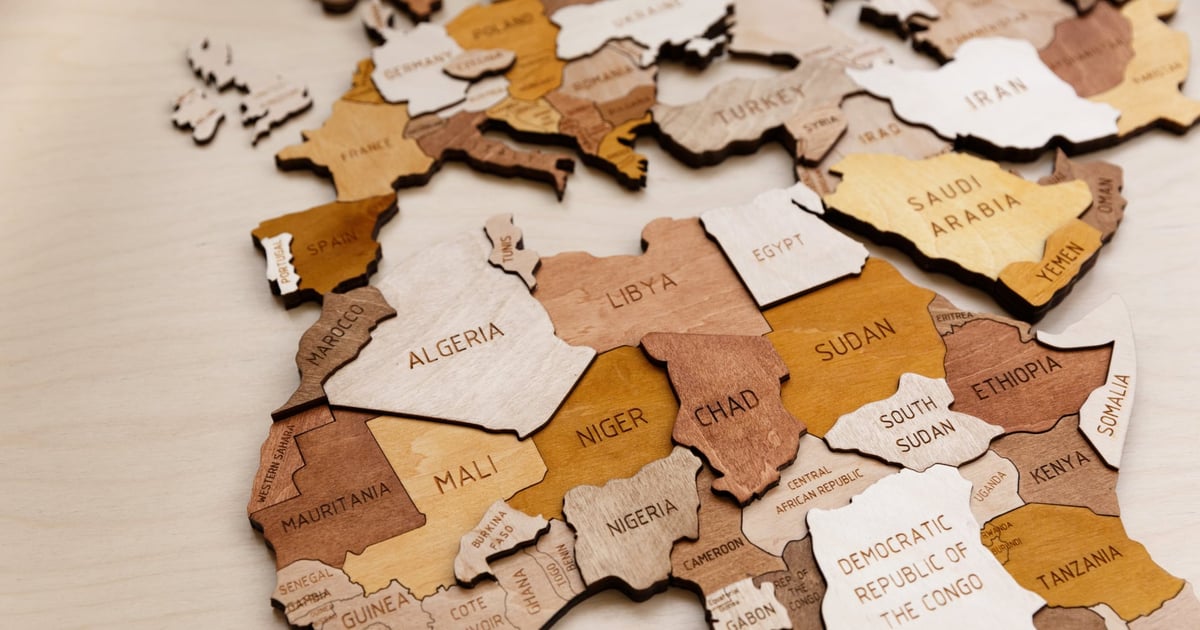


The much-anticipated partnership between Microsoft and Group 42 in the Middle East and Africa is facing possible cancellation due to geopolitical concerns raised by US policymakers regarding Group 42’s connections with China. This situation sheds light on the complexities that US companies encounter when trying to establish business relationships in this region.
Despite Group 42’s assurances that it has severed all military and intelligence ties with China, US officials remain cautious and continue to express their reservations. Group 42 Holding, also known as G42, was established in the United Arab Emirates in 2018 with a focus on developing artificial intelligence (AI) technologies for various industries. The company has strong connections to China, but it claims to have distanced itself from those ties since shifting its focus to the commercial development of AI technologies in 2022. Tahnoun bin Zayed Al Nahyan, the UAE’s national security adviser, and G42 CEO Peng Xiao are the primary shareholders of the company, which has investment from both the Middle East and the US, as reported by the House Select Committee on the Chinese Communist Party.
Tal Mandel Bar, a product manager at DoControl, a provider of software-as-a-service (SaaS) security solutions, emphasizes that managing security risks in the current global environment is essential for US companies operating in the Middle East and Africa. He notes the intricate challenges posed by navigating national security concerns, data privacy issues, and competing interests for major tech firms like Microsoft, Google, and Cisco in the region.
The US government’s efforts to counter China and Russia’s influence in Africa and the Middle East have been evident, with recent steps such as designating Kenya as a “major non-NATO ally” and approving technology investments in the country. This includes a significant collaboration between Microsoft and Group 42 Holdings worth $1 billion in the region.
However, concerns persist over Group 42’s alleged ties to China’s military and business entities, prompting Rep. Mike Gallagher to call for an investigation by the US Department of Commerce to assess potential technology export-control risks. In response, Group 42 Holdings has denied any connections to China’s military and business interests, emphasizing its commitment to aligning with US partners and complying with all relevant laws and regulations.
While the US weighs the risks and benefits of engaging with companies in the region, Tarun Chhabra, a senior technology director in the US National Security Council, highlights the importance of balancing economic interests with national security considerations. Chhabra acknowledges the challenges of enforcing bans on working with certain foreign companies and emphasizes the need for a cautious approach to safeguarding digital infrastructure in strategic partnerships.
As China and Russia expand their influence in emerging economies in Africa and the Middle East, US companies like Microsoft and Cisco face ongoing uncertainties. John Bambenek, president of Bambenek Consulting, points out the geopolitical risks and financial trade-offs involved, urging these companies to carefully consider the implications of their investments in the region. Moving forward, US policymakers are focused on navigating the intricate landscape of AI capabilities and digital infrastructure to ensure national security interests are protected in their engagements in the Middle East and Africa.