


In the lead-up to the 2024 ‘super-cycle’ of elections, security concerns are taking center stage as nearly half of the world’s population prepares to head to the polls. A recent report from Allianz Commercial highlights the potential risks stemming from localized unrest during these elections, as well as the broader implications of electoral outcomes on foreign policy, trade relations, and supply chains.
One of the most anticipated elections is set to take place in the US in November, where a closely contested result could exacerbate existing tensions. Similarly, the European Parliament elections scheduled for June have the potential to deepen divisions, especially if radical-right parties make significant gains. In a world where social media enables rapid dissemination of information, the financial costs of civil unrest incidents are on the rise, with recent events leading to economic and insured losses totaling approximately US$13 billion.
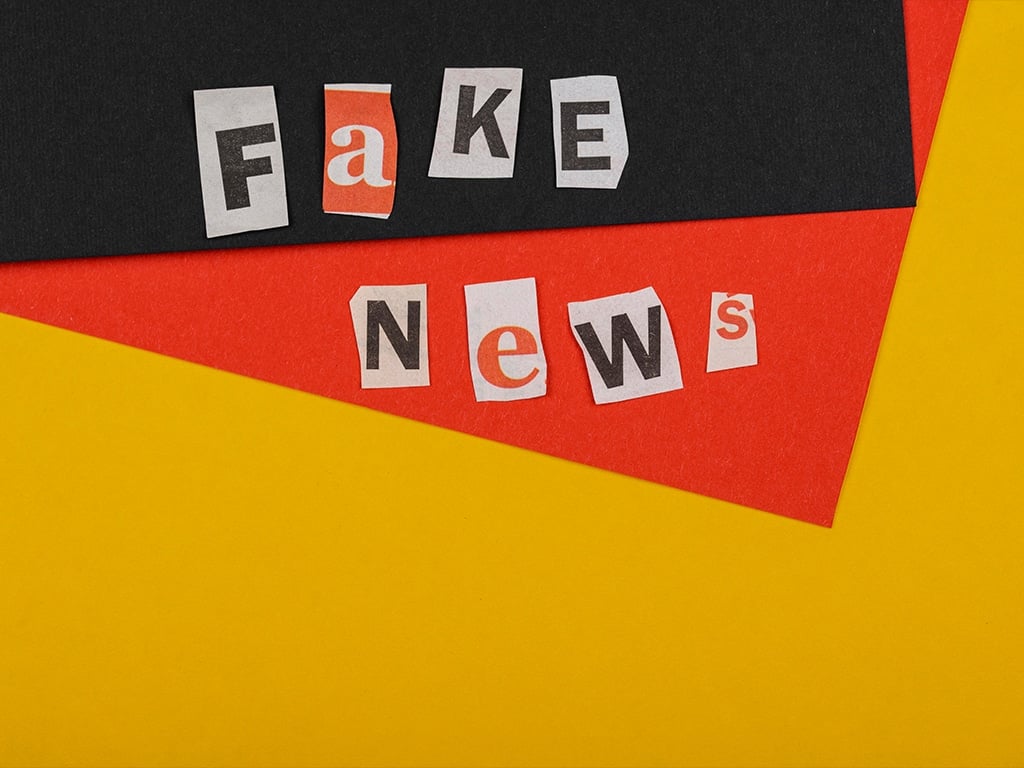
The spread of misinformation has become a significant concern leading up to the 2024 elections, driven by advancements in technology and AI. Deepfakes, a form of manipulated content, pose a particular threat as they have the potential to deceive and mislead the public. The World Economic Forum has identified misinformation as the most severe short-term risk facing the world today, highlighting its potential to disrupt electoral processes, trigger civil unrest, and deepen societal divisions.
To combat the spread of AI-generated misinformation, a coalition of tech companies, including Google, Microsoft, Meta, TikTok, IBM, Adobe, and Amazon, have committed to implementing measures to prevent the dissemination of false information. These efforts come in response to incidents such as a fake robocall mimicking President Joe Biden and a deepfake news report about an alleged assassination attempt on President Macron of France, both of which spread rapidly online.
Kent Walker, Google’s president for global affairs, warns of the dangers of micro-targeted deepfakes that could influence specific segments of the electorate through social media platforms. In addition to deepfakes, concerns are also growing around the use of existing imagery for disinformation purposes and the creation of personalized messages targeting individuals’ grievances and frustrations.
The erosion of trust in governments and media sources due to perceived inaction and lack of tangible improvements in people’s lives has created fertile ground for the exploitation of misinformation by populists and bad actors. This growing cynicism and mistrust threaten the legitimacy of institutions and highlight the need for greater vigilance against the spread of false information.
Against this backdrop, multinational companies are increasingly seeking political violence insurance to protect their interests in the face of escalating risks. Businesses are advised to implement robust business continuity plans, enhance security measures, and review their insurance coverage to address potential impacts from strikes, riots, and civil unrest.
As the world navigates through this turbulent election season, the need for heightened security measures, combatting misinformation, and protecting against political violence has never been more critical. With the stakes higher than ever, businesses, governments, and individuals must remain vigilant and prepared to tackle the challenges that lie ahead.