
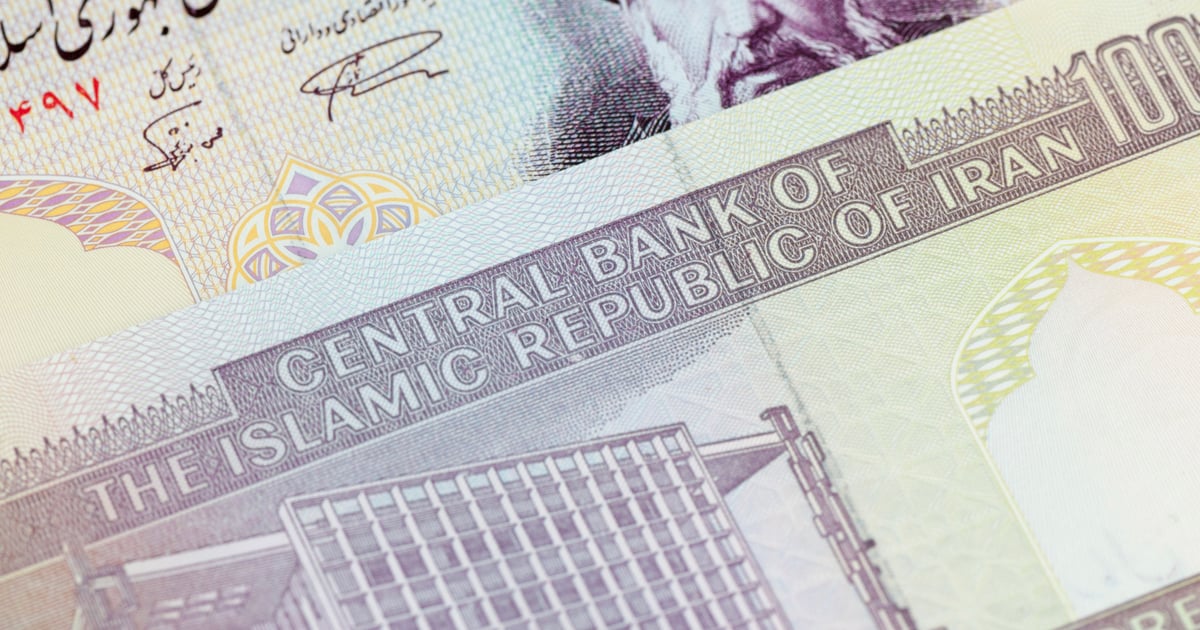


On Wednesday, the Central Bank of Iran (CBI) was reportedly the target of a cyberattack, along with several other banks in the country. The attack caused chaos and disruption within Iran’s financial system, raising concerns about the security of the nation’s state infrastructure. According to a report by Iran International, the scale and impact of the cyberattack suggest that it may be one of the largest that Iran has ever experienced, with hackers managing to gain access to sensitive information belonging to account holders.
In a brazen move linked to the cyberattack, notes were found stuck to ATM machines across the country. The messages, attributed to anonymous individuals, conveyed a chilling warning to customers attempting to withdraw money. The notes read, “Dear customers, it is not possible to withdraw money from the bank because all of Iran’s budget and national resources have been invested in the war for the benefit of the corrupt regime of the Islamic Republic.” This alarming message highlights the potential motives behind the cyberattack and adds to the growing concerns about the stability of Iran’s financial sector.
The timing of the cyberattack is particularly significant in light of the current geopolitical tensions facing Iran. The country’s supreme leader, Ayatollah Khamenei, has recently issued threats of retaliation following the death of Hamas leader Ismail Haniyeh. These threats, combined with reports of Iranian hackers being involved in attempts to influence upcoming US elections, paint a complex picture of the motives behind the cyberattack on the Central Bank of Iran.
The disruption caused by the cyberattack has sent shockwaves through Iran’s financial system, highlighting the vulnerabilities that exist within the nation’s state infrastructure. The breach of sensitive information belonging to account holders raises serious concerns about the potential impact on individuals and businesses who rely on the banking system for their financial transactions. The scale of the attack and the brazen messages left at ATM machines indicate a level of sophistication and planning that is cause for alarm among government officials and cybersecurity experts alike.
As Iran grapples with the fallout from this cyberattack, there are urgent calls for strengthened cybersecurity measures and increased vigilance to prevent future incidents of this nature. The need for improved coordination and cooperation among government agencies, financial institutions, and cybersecurity experts is paramount in order to safeguard the nation’s critical infrastructure from further attacks. The implications of this cyberattack extend far beyond the financial sector, serving as a stark reminder of the evolving nature of cybersecurity threats in the digital age.
In conclusion, the cyberattack on the Central Bank of Iran and other financial institutions in the country represents a significant escalation in the ongoing battle to secure the nation’s state infrastructure. The attack underscores the vulnerabilities that exist within Iran’s financial system and raises troubling questions about the motives behind such a coordinated and sophisticated operation. As Iran works to recover from this disruptive incident, the focus must be on bolstering cybersecurity defenses and enhancing collaboration to mitigate the risks of future attacks on critical infrastructure.