
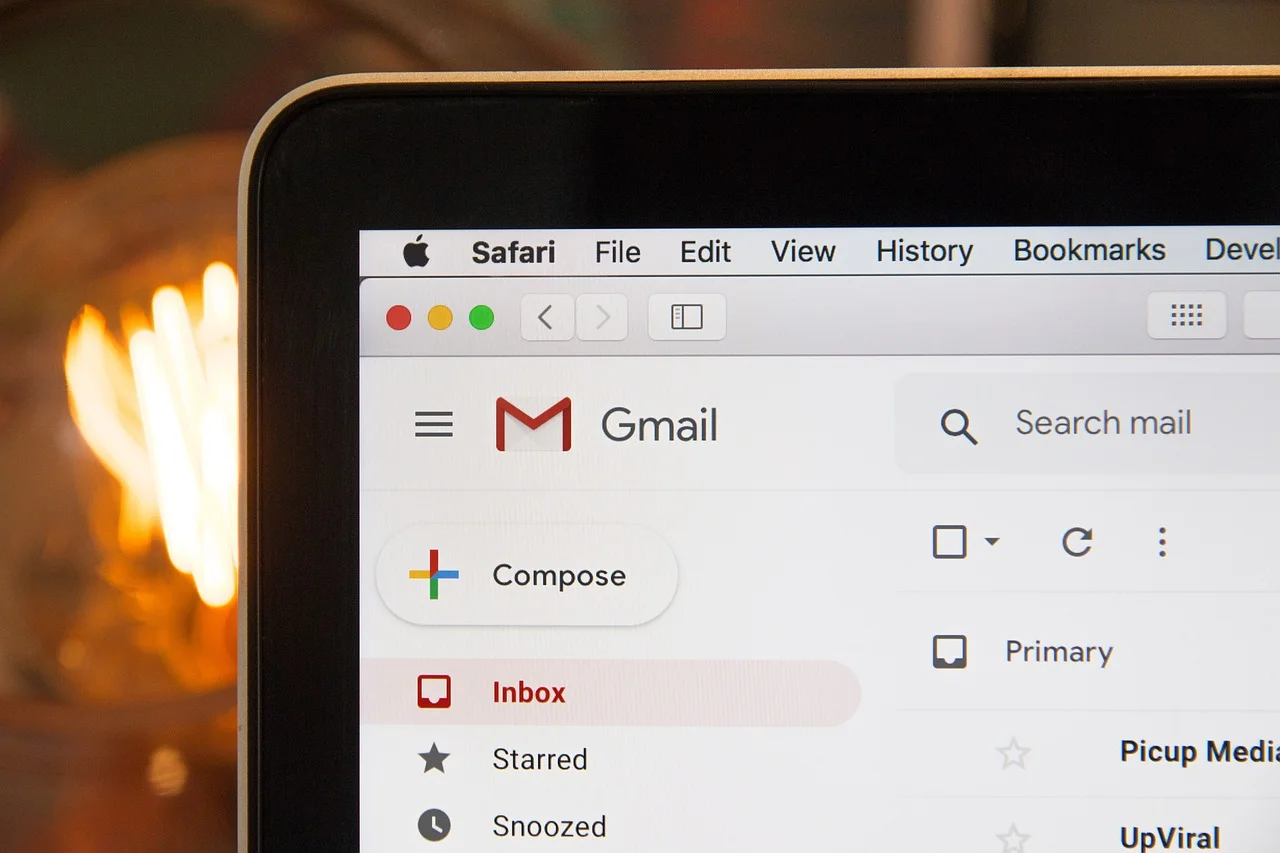


A recent scam has come to light targeting Gmail users, aiming to extract personal data through deceptive fake account recovery requests. Tech expert Sam Mitrovic shared his encounter with this fraudulent scheme, highlighting the ease with which unsuspecting individuals can be ensnared by this AI-powered deception.
The scam begins with users receiving unexpected notifications either via email or phone, urging them to approve a Gmail account recovery request that they did not initiate. In Mitrovic’s case, the initial notification originated from the United States, triggering suspicion. When he rejected the request, the scammers intensified their efforts by placing a phone call about 40 minutes later, seemingly from an official Google number.
The pivotal moment in this scam occurs during the phone call, where the scammer adopts a professional and courteous tone, alerting the target to alleged suspicious activities on their Gmail account. By creating a sense of urgency and concern, the caller aims to manipulate the victim into believing their claims. Additionally, the caller ID often displays what appears to be a genuine Google office number, further enhancing the air of legitimacy.
Once the scammer has captured the user’s attention, they proceed to claim that someone has breached the account and obtained sensitive information. To reinforce their false narrative, they follow up with a spoofed email that mimics a legitimate communication from Google. The ultimate goal is to persuade the victim to approve the account recovery request, consequently granting the scammers unrestricted access to the victim’s Gmail account.
Mitrovic emphasizes the importance of remaining vigilant to thwart such scams effectively. He recommends several key steps that Gmail users can take to protect themselves from falling victim to such fraudulent activities. These include refraining from approving unfamiliar recovery requests, verifying phone calls claiming to be from Google, scrutinizing email addresses carefully for discrepancies, reviewing security settings regularly, and examining email headers for authenticity.
By following these precautionary measures and staying alert to any suspicious activities, Gmail users can shield themselves from the escalating threat posed by AI-driven scams like the one Mitrovic encountered. The overarching advice is to exercise caution and verify any unusual occurrences on their accounts.
Further investigation by Mitrovic revealed a Reddit comment from another user sharing a similar encounter with a suspicious email, underscoring the potential risk posed by this scam. Despite the numerous warning signs, the scam call’s professional execution made it convincing enough to deceive many individuals. Mitrovic speculated that the conversion rate from answered calls might be relatively high, emphasizing the need for heightened awareness and caution.
While there are tools available to combat such scams, individual vigilance remains the most effective defense. By conducting basic checks, seeking guidance from trusted sources, and staying informed, Gmail users can significantly reduce the likelihood of falling prey to such fraudulent schemes, safeguarding their personal data and online presence.