
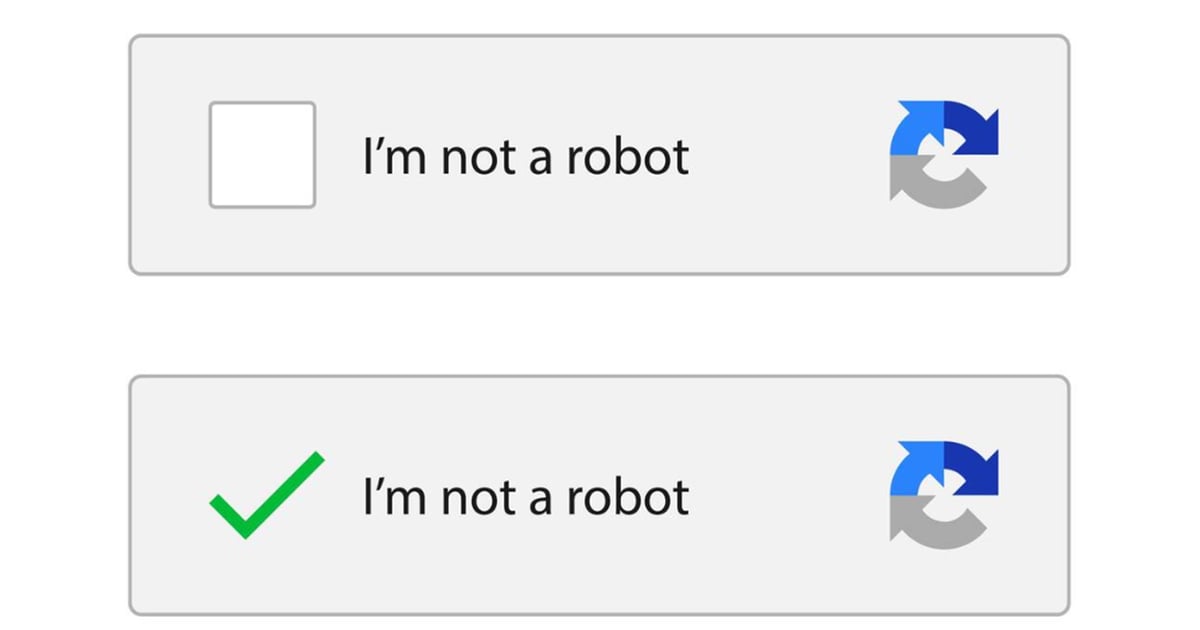


In a new cyber campaign masterminded by Lumma Stealer, unsuspecting targets are lured into clicking through malicious CAPTCHA pages under the guise of a “verification” process, only to fall victim to the initial malware download that follows.
This malware-as-a-service (MaaS) tool, Lumma Stealer, is a favorite among cybercriminals looking to pilfer sensitive data such as passwords and crypto-wallet information. Researchers at Qualys have recently uncovered the latest modus operandi of this notorious threat actor, shedding light on the deceptive tactics employed in this latest attack chain.
According to Vishwajeet Kumar, a threat researcher at Qualys, users who click on the deceptive “I’m not a robot” button are presented with verification steps that, once completed, trigger the execution of a PowerShell command. This command then initiates the download of an initial stager, a form of malware downloader, onto the victim’s machine.
This latest tactic involving CAPTCHA pages represents a new evolution in Lumma Stealer’s bag of tricks, as highlighted in the Lumma Stealer campaign analysis conducted by Kumar. Previous campaigns orchestrated by Lumma Stealer have utilized various cybercrime methods to propagate the infostealer, ranging from basic phishing schemes to more elaborate strategies.
For instance, in January 2024, a Lumma Stealer campaign utilized weaponized YouTube channels disguised as legitimate content to entice users with workarounds for evading web filters and cracking popular applications. By the summer of the same year, another campaign emerged on Facebook, attempting to trick users into downloading a purportedly legitimate AI photo editor. Not even the gaming community was safe from Lumma Stealer, as over 250 million players of Hamster Kombat found themselves targeted and duped into downloading the malware through multiple simultaneous scams discovered in July.
As Kumar notes, the evolving threat landscape posed by Lumma Stealer underscores the malware’s adaptability and ability to evade detection. With a range of tactics at its disposal, from leveraging legitimate software to employing deceptive delivery methods, Lumma Stealer presents a persistent challenge for cybersecurity teams.
To combat ongoing threats from Lumma Stealer, Sarah Jones, a cyber-threat intelligence research analyst at Critical Start, emphasizes the importance of collaboration between threat intelligence, security operations centers (SOCs), and incident-response teams. Jones stresses the need for a proactive approach, with security teams continuously monitoring and updating detection rules, indicators of compromise, and security controls to stay ahead of sophisticated threats like Lumma Stealer.
In light of campaigns such as this, organizations are urged to adopt a multi-layered defense strategy that combines advanced technical controls with proactive threat hunting and ongoing adaptation to effectively thwart evolving malware campaigns. The ever-changing nature of cyber threats like Lumma Stealer demands a vigilant and resilient approach to cybersecurity to safeguard sensitive data and protect against malicious actors in the digital realm.