
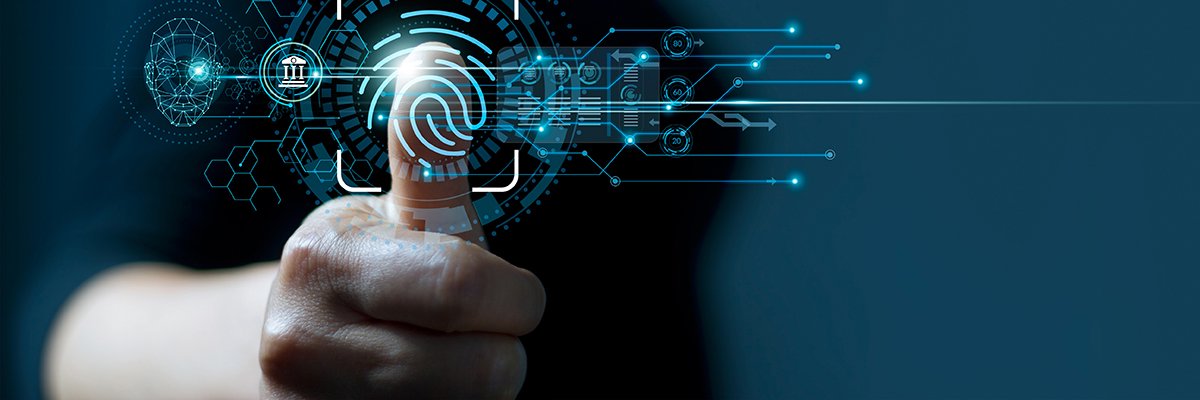


Biometrics, which involves the use of unique physiological characteristics like fingerprints, voice patterns, and facial features for identity verification, has become increasingly popular in recent years. This technology allows individuals to unlock devices, access secure locations, and authenticate themselves easily. According to the “Biometrics Business Guide 2024: Consumer Trust Report” by Aware, over 50% of tech users now use biometrics for authentication on a daily basis.
While proponents of biometrics view it as a reliable and secure method for identity verification, there are concerns surrounding its use. Privacy issues, potential errors, and risks associated with the misuse of personally identifiable information (PII) are among the challenges raised by critics and observers. Joe Holman from Withum expressed concerns about the possibility of biometrics data ending up on the dark web, similar to other forms of PII, highlighting the need for a comprehensive plan to address potential data breaches.
The increasing adoption of biometric authentication is being primarily driven by its accuracy, convenience, and the need for efficient digital identity management in the cybersecurity landscape. However, ethical and legal considerations pose significant challenges for organizations leveraging biometrics for authentication. Organizations must be aware of both the advantages and disadvantages associated with the use of biometric technologies.
Trust and privacy concerns regarding biometrics were highlighted in the “Biometrics Business Guide 2024: Consumer Trust Report,” indicating that a majority of respondents felt uninformed about how their biometric data is utilized and stored by companies. Gloria Washington from IEEE emphasized the ease with which biometric traits can be replicated, posing a threat to both individuals and organizations collecting and storing such data. Safeguarding biometric data from leaks, hacks, and discriminatory practices is crucial to ensure ethical and legal compliance.
Incidents involving the misuse of biometric data are on the rise, with the Identity Management Institute pointing out the risks posed by breaches. Unlike traditional credentials, biometric data cannot be changed, making it essential for organizations to prioritize the security of such information. Recent cases involving Meta and Clearview AI highlight the consequences of mishandling biometric data and underscore the importance of regulatory compliance.
Experts stress the need for organizations to address the challenges associated with biometrics and implement strategies to manage risks effectively. It is crucial for organizations to prioritize the protection of biometric data, comply with relevant laws and regulations, and stay vigilant against potential threats. Collaboration between risk, privacy, and security officers, adherence to biometric-specific regulations, and a focus on defense in depth are recommended to mitigate the risks associated with biometric authentication.
In conclusion, while biometrics offer advanced methods of identity verification, concerns surrounding privacy, security, and ethical use must be addressed by organizations and individuals alike. By implementing robust security measures, complying with regulations, and staying informed about emerging threats, organizations can leverage biometric authentication effectively while safeguarding sensitive data and protecting against potential risks.