
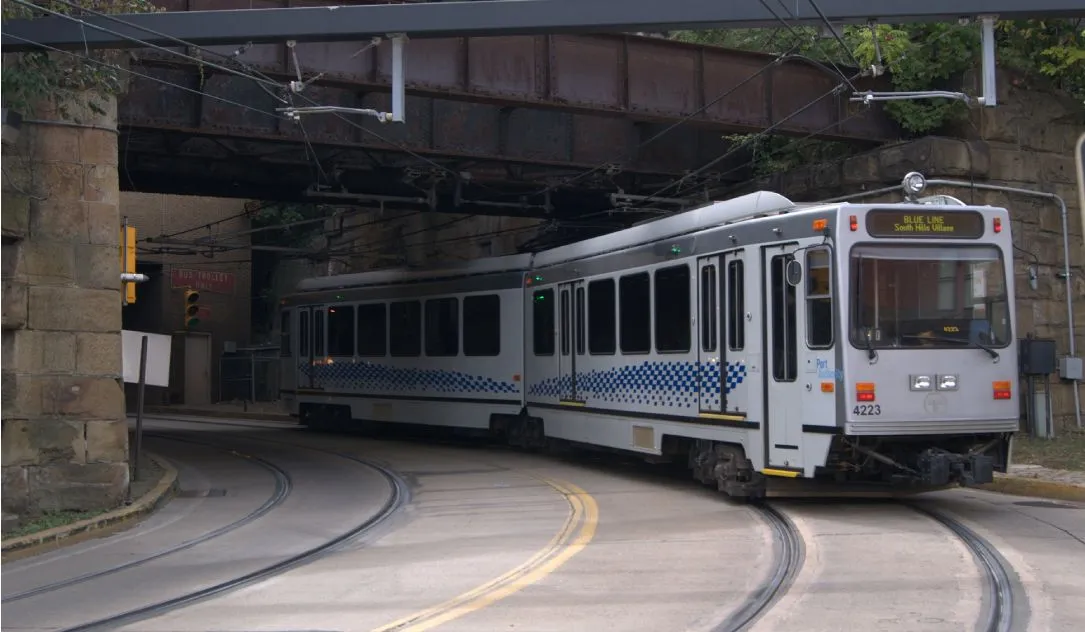


A recent ransomware attack has brought public transportation in the Pittsburgh area to a standstill, causing significant disruptions for commuters. The Pittsburgh Regional Transit (PRT) announced on Monday that they are currently dealing with the aftermath of a ransomware attack that was first detected on Thursday, December 19. Law enforcement officials have been brought in to assist in the response, and a thorough investigation is underway with the help of cybersecurity experts.
While rail services experienced temporary disruptions on Thursday morning, the transit services are now operating as normal, according to the agency. However, some rider services, such as PRT’s Customer Service Center, are still impacted, and are temporarily unable to accept or process Senior and Kid’s ConnectCards. IT officials at PRT are working diligently to assess whether any data was stolen in the attack and have promised to keep the public updated as the investigation progresses.
Despite the ongoing efforts to restore full service, the agency has refrained from disclosing details about the perpetrators behind the attack and have not provided a timeline for when normal operations will resume. Local news reports from last week indicated that trains were delayed by more than 20 minutes as a result of the ransomware attack, highlighting the extent of the disruptions caused by the cyber incident.
PRT, which serves as many as 40 million riders annually, operates over 700 buses, 80 light rail vehicles, and more across Pittsburgh and Allegheny County, making it the second largest public transit agency in the state. The disruption to public transportation services and the potential theft of customer data serve as motivating factors for ransomware gangs to target government agencies responsible for transportation infrastructure.
This attack on public transportation in the Pittsburgh area is not an isolated incident. In recent years, various transportation agencies across different regions have fallen victim to ransomware attacks, causing widespread disruptions and posing serious threats to commuter safety. From New York City’s Metropolitan Transportation Authority to San Francisco’s BART and London’s transportation agency, such cyber incidents have become a growing concern for public transit systems worldwide.
The ransomware attack on PRT mirrors similar incidents that have taken place in Washington State, Massachusetts, Virginia, Kansas, and Missouri, among others, highlighting the vulnerability of public transportation systems to cyber threats. These attacks not only disrupt daily commutes for thousands of individuals who rely on buses, trains, and boats for transportation but also underscore the urgent need for robust cybersecurity measures to safeguard critical infrastructure.
As PRT continues to address the fallout from the ransomware attack, passengers are advised to stay informed about any service disruptions and to follow safety guidelines issued by the agency. The incident serves as a stark reminder of the evolving cyber risks facing public transportation systems and the crucial need for proactive measures to mitigate such threats in the future.