
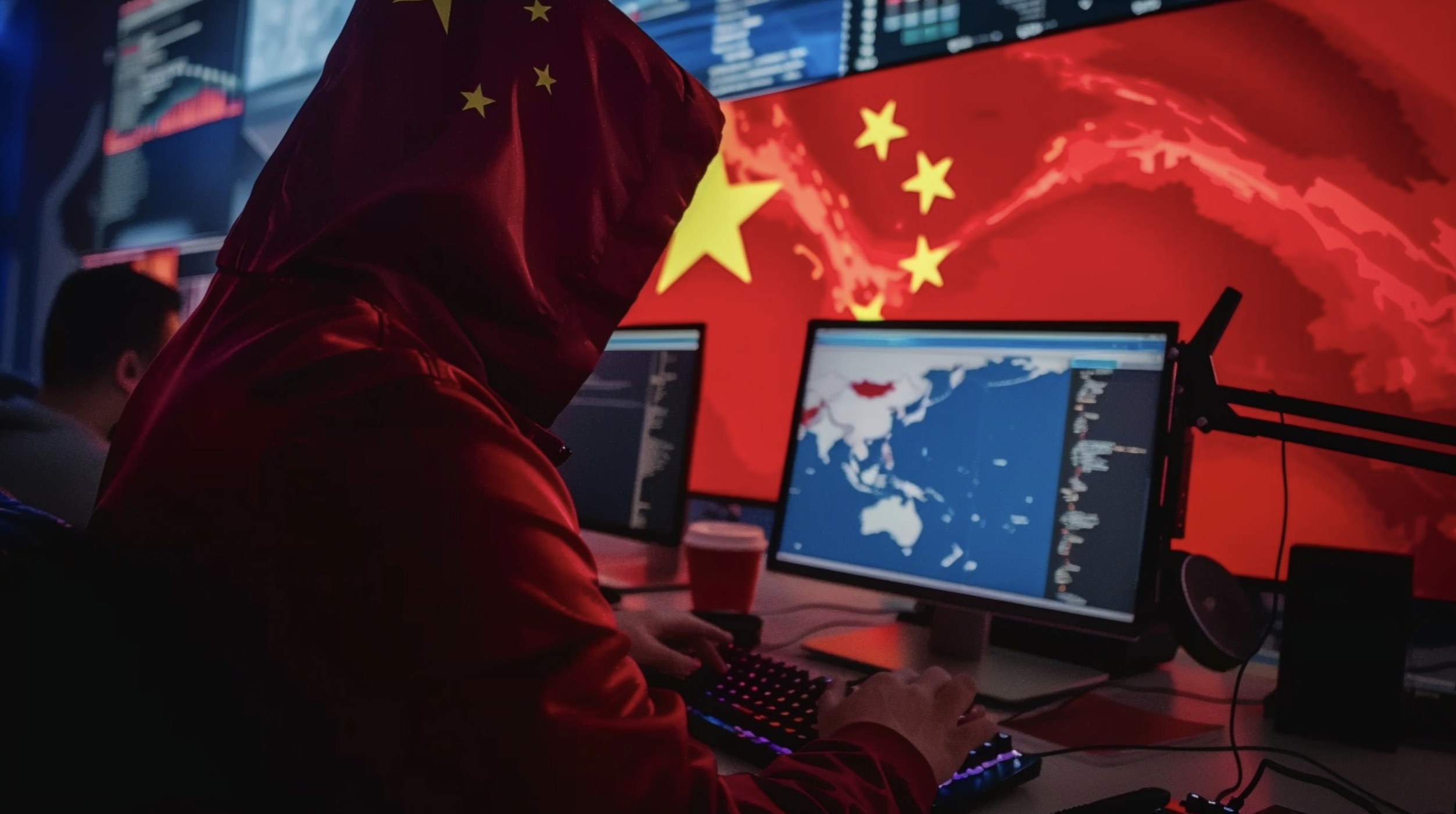


A recent cyber-espionage campaign orchestrated by the Salt Typhoon Chinese hacker group has targeted a ninth U.S. telecommunications company, according to a White House official. The group, also known as Earth Estries, FamousSparrow, Ghost Emperor, and UNC2286, has a history of breaching government entities and telecom companies in Southeast Asia since 2019.
In a briefing with reporters, the White House’s deputy national security adviser for cyber and emerging technologies, Anne Neuberger, highlighted the ongoing threat posed by Chinese hackers to critical infrastructure in the United States. She emphasized the importance of implementing basic cybersecurity measures and holding China accountable for these malicious activities.
Neuberger previously disclosed that the Salt Typhoon group had hacked eight U.S. telecoms and carriers as well as those in numerous other countries. While there is currently no evidence of classified communications being compromised, concerns remain about the presence of the hackers within these networks.
In response to these breaches, the Cybersecurity and Infrastructure Security Agency (CISA) has recommended that senior government officials switch to encrypted messaging apps like Signal to minimize interception risks. Additionally, guidance has been issued to assist telecom administrators and engineers in bolstering their defenses against Salt Typhoon attacks.
The Biden administration has taken steps to address the cybersecurity threat posed by Chinese state hackers, including the recent decision to ban China Telecom’s remaining U.S. operations. There is also consideration of banning TP-Link routers next year if investigations reveal national security risks associated with their use in cyberattacks.
In light of these developments, U.S. Senator Ron Wyden has proposed legislation to enhance the security of American telecom networks, while FCC Chairwoman Jessica Rosenworcel has pledged swift action to ensure that U.S. carriers prioritize the protection of their infrastructure.
The flurry of responses from government and industry stakeholders underscores the seriousness of the cybersecurity threat posed by sophisticated hacker groups like Salt Typhoon. As the battle against cyber-espionage continues, vigilance and proactive measures will be crucial to safeguarding critical infrastructure and sensitive communications from malicious actors.