
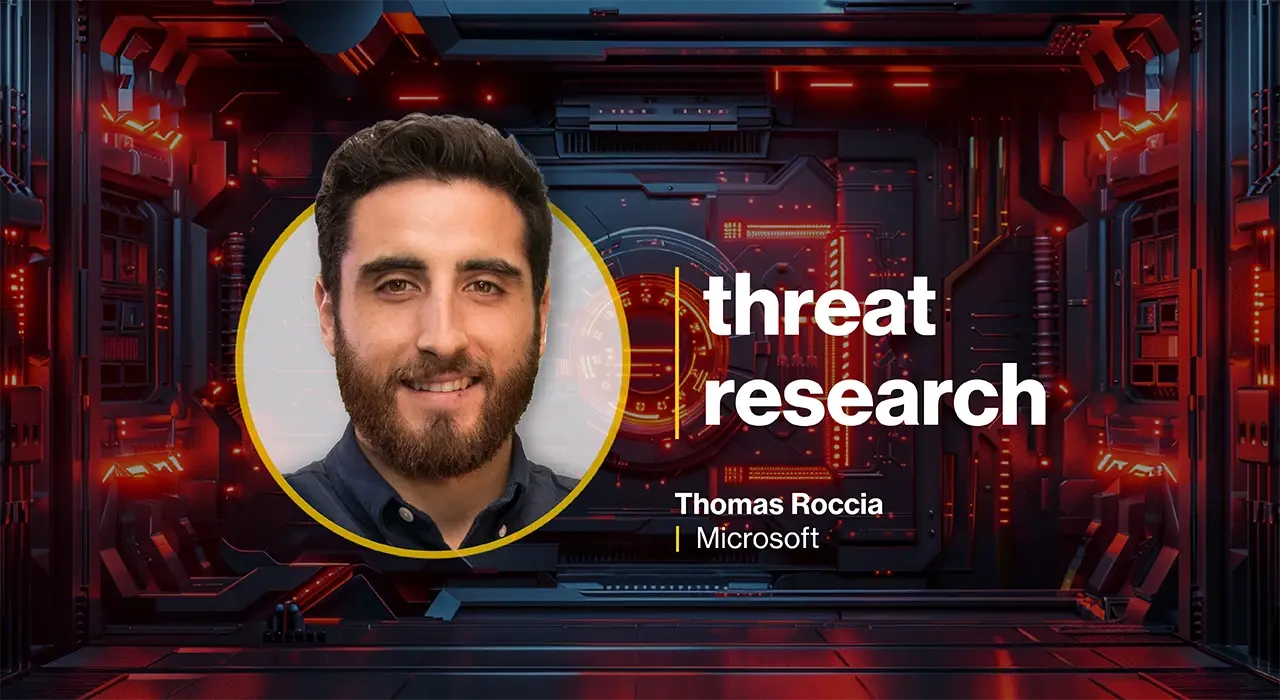


Microsoft’s Senior Security Researcher, Thomas Roccia, recently delved into the importance of threat research in driving faster and better decision-making in cybersecurity operations. Roccia emphasized the critical role that understanding threat actors’ methods plays in securing networks, protecting assets, and making informed decisions regarding cybersecurity measures.
Threat research encompasses a global perspective, taking into account geopolitical events, economic factors, and technological advancements like AI. These external influences shape how attackers operate and highlight the need for organizations to stay ahead of emerging threats. By leveraging threat intelligence derived from various sources, cybersecurity operations can be adapted, defenses strengthened, and overall security posture enhanced.
When it comes to conducting threat research, organizations often face the choice between in-house research and outsourcing to third parties. While internal research allows for tailored approaches and deep focus on specific threats, outsourcing can provide broader visibility and specialized expertise. A combination of both approaches is often ideal, depending on the organization’s resources, expertise, and budget constraints.
The use of proprietary and open-source tools in threat research workflows is another consideration. Evaluating the needs, scalability, and expertise of the team can help strike a balance between cost-effective open-source tools and advanced proprietary solutions. Flexibility in tool selection is crucial for future growth and adaptability to evolving threat landscapes.
The integration of AI and machine learning in automating threat research processes has the potential to streamline security operations and bridge the gap between expert and novice analysts. While these technologies offer efficiency gains, skepticism remains regarding their effectiveness and the need for validation. CISOs looking to adopt AI solutions should prioritize understanding their organization’s specific needs and seek expert guidance to evaluate the practical application of these technologies.
Geopolitical events play a significant role in shaping the focus and methodology of threat research. The evolving tactics of state-sponsored actors and politically motivated groups require constant adaptation and reallocation of resources. Threat landscape prioritization shifts in response to geopolitical tensions, prompting organizations to adopt more aggressive defense postures. Collaborative efforts and region-specific research initiatives are crucial for staying ahead of threats that target specific industries or geographic locations.
Overall, threat research remains a cornerstone of cybersecurity operations, guiding decision-making, strengthening defenses, and mitigating risks posed by evolving threat landscapes. By staying informed, adaptive, and proactive, organizations can position themselves to effectively counter emerging threats in an increasingly complex cyber landscape.