
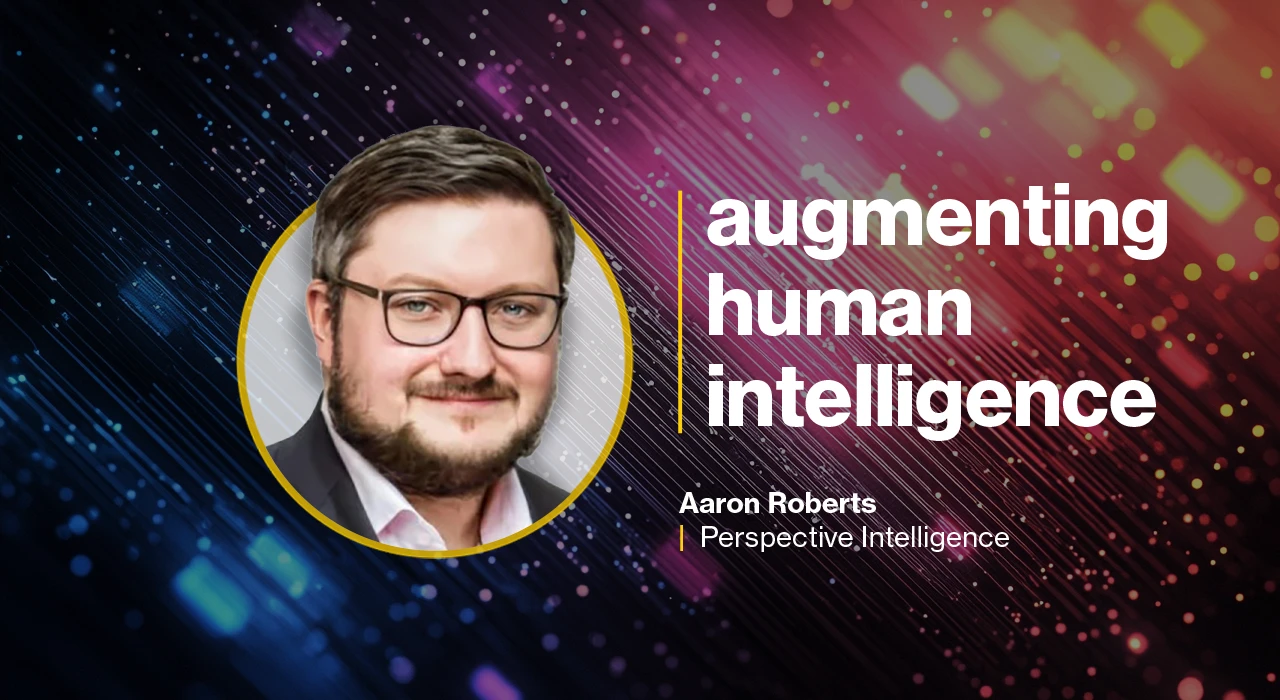


In a recent interview with Help Net Security, Aaron Roberts, Director at Perspective Intelligence, delved into the impact of automation on threat intelligence. He emphasized the importance of experienced analysts in conjunction with AI tools for effective threat detection and response.
According to Roberts, automation shines in tasks such as data collection and initial processing. For instance, in a scenario where the BlackBasta ransomware group had their internal chats leaked, utilizing a custom GPT AI system could rapidly analyze and provide insights into the group’s operations. However, Roberts stressed the necessity of human verification to validate the AI-generated findings, highlighting that AI alone cannot replace the skills of a dedicated intelligence analyst.
When it comes to integrating automated response systems with human decision-making, Roberts recommended a cautious approach. He advised organizations to test automated responses in controlled environments before deploying them in production settings. Human oversight is crucial in ensuring the accuracy and relevance of AI-generated recommendations to avoid potential errors or biases.
The concept of “explainable AI” in cybersecurity was also discussed, with Roberts noting the importance of understanding the decision-making processes of AI models. He highlighted the need for AI systems to provide clear explanations for their outputs to enhance transparency and trust in their recommendations.
Roberts also touched on the issue of biases in AI models, emphasizing the role of human analysts in challenging and interpreting AI-generated insights. By actively questioning and validating AI findings, analysts can prevent biases from influencing decision-making processes and ensure the accuracy of security assessments.
Moreover, ethical considerations in implementing automated security tools were highlighted by Roberts. He urged organizations to maintain rigorous standards and procedures to address potential ethical dilemmas that may arise from autonomous AI actions. The need for clear guidelines and guardrails in AI interventions to avoid unintended consequences or ethical conflicts was underscored.
In conclusion, Roberts emphasized the need for a balanced and thoughtful approach to incorporating AI into cybersecurity practices. While AI-driven tools offer immense potential for improving threat intelligence and response capabilities, organizations must prioritize responsible deployment and human oversight to mitigate risks and uphold ethical standards in security operations. By partnering human expertise with automation, organizations can harness the full benefits of AI while safeguarding against potential pitfalls in the ever-evolving cybersecurity landscape.