
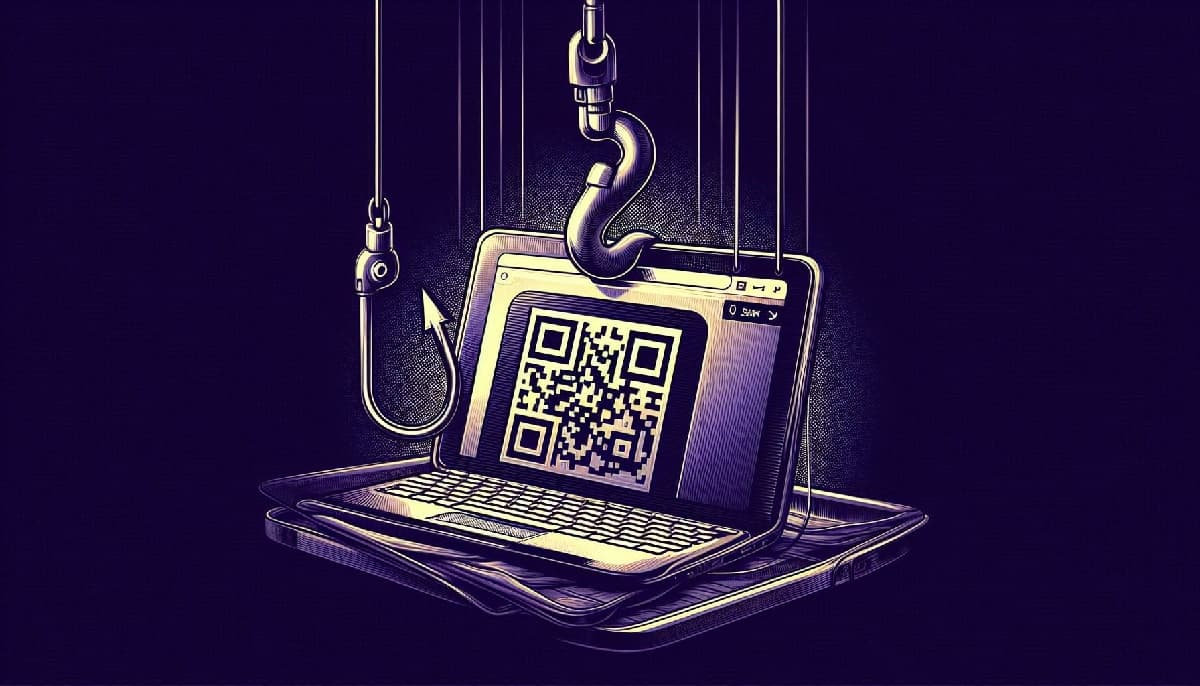


QR codes have revolutionized the way we access information and services, offering a quick and convenient way to interact with businesses and organizations. However, with their widespread use comes a new threat – QR phishing. Cybercriminals are taking advantage of the popularity of QR codes to trick unsuspecting users into scanning malicious codes that can lead to theft of personal information, installation of malware, or redirection to fraudulent websites.
One common method used by scammers is to overlay fake QR codes on legitimate ones. This can happen in various places like restaurants, parking meters, or public spaces where QR codes are commonly used for services. When a user scans the fake code, they are directed to a website that looks legitimate but is designed to steal sensitive information such as login credentials or financial details.
Another approach involves sending QR codes via email or text messages, pretending to be from trusted sources like banks, delivery services, or tech support teams. These messages often create a sense of urgency, prompting users to scan the code to verify a payment or address a security issue. Unfortunately, by scanning these codes, users unknowingly expose their private information to hackers.
According to Online QR Code, a tool for generating QR codes, scammers can abuse almost any type of QR code, posing a risk to users regardless of how the code is presented. This underscores the importance of verifying the source of a QR code before scanning it, whether it’s on a poster, in an email, or on a document.
One of the reasons why QR phishing is so effective is that QR codes do not immediately reveal where they lead. Unlike traditional links that allow users to preview the URL before clicking, scanning a QR code often takes users directly to the intended site without any warning. This lack of transparency makes it easier for scammers to operate without detection, especially on mobile devices where most QR scans occur.
Moreover, many people inherently trust QR codes because they are commonly used by legitimate businesses. Scammers exploit this trust by placing their malicious codes in locations where users are less likely to question their authenticity. Even reputable organizations like the FBI have issued warnings about the risks associated with QR phishing.
To protect yourself from QR phishing attacks, there are several simple steps you can take. First, always verify the source of a QR code before scanning it, especially in public places. Additionally, use QR code scanners with security features that can detect malicious links and avoid scanning codes from unsolicited emails or texts. It’s also important to check for HTTPS and official domains when scanning a QR code to ensure that the website is legitimate.
As QR codes continue to be a staple in marketing, payments, and everyday interactions, it’s essential to remain vigilant against QR phishing scams. By staying informed and taking precautions like verifying sources and previewing URLs before scanning, you can safeguard yourself from falling victim to these increasingly sophisticated attacks.