


Deepfakes are rapidly evolving, and the consequences of their advancement are becoming increasingly apparent in the world of finance. A recent incident involving a finance employee at a multinational firm highlights the dangers posed by sophisticated deepfakes. The employee transferred a staggering $25 million into scammers’ accounts after attending a video conference with what he believed to be the company’s CFO and other colleagues, only to discover later that they were all deepfakes.
As generative AI technology progresses, deepfakes are becoming more refined, cost-effective, and quicker to create. Cybercriminals are leveraging these advancements to deceive biometric authentication and authorization mechanisms, leading to potential financial losses, data breaches, and compliance issues for enterprises.
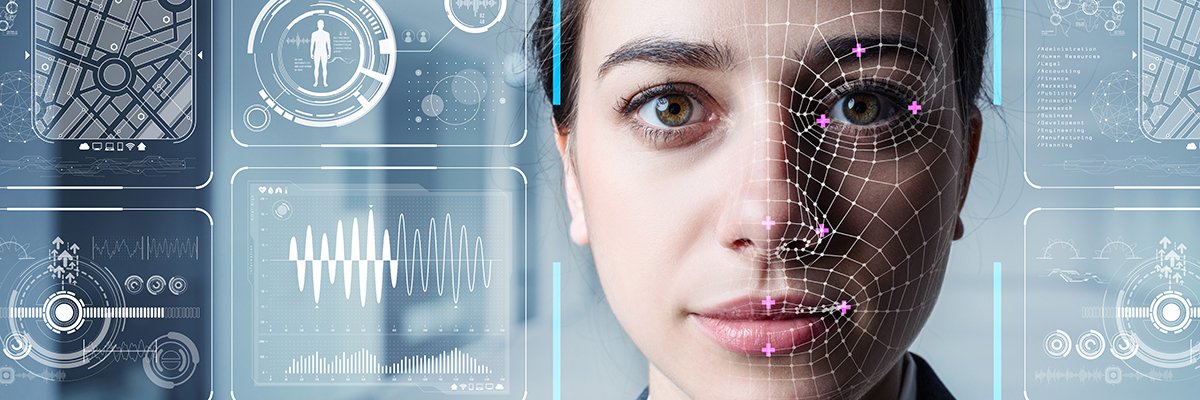
To combat the rising threat of deepfakes, experts suggest that organizations explore deepfake detection technologies to thwart AI-based social engineering and fraud. A key report from Forrester has identified various types of deepfake detection technology, including spectral artifact analysis, liveness detection, and behavioral analysis.
Spectral artifact analysis is crucial in uncovering tell-tale signs of deepfakes, such as repeated patterns and unnatural artifacts that may be imperceptible to the human eye but are detected by specialized technology. Liveness detection utilizes AI algorithms to verify the presence of a genuine human in digital interactions by assessing movements and consistency with reference models. Behavioral analysis, on the other hand, examines user behavior across various interactions to identify abnormalities that could indicate the presence of a deepfake.
While deepfake detection technology shows promise in combating fraudulent activities, there are challenges that need to be addressed. Technical integrations pose a significant hurdle, as incorporating deepfake detection capabilities into existing workflows and toolchains requires careful planning and execution. Additionally, person-to-person interactions remain vulnerable to deepfake attacks, emphasizing the importance of security awareness training for employees.
Looking ahead, advancements in deepfake detection technology are expected to enhance defensive measures against fraudulent activities. However, as noted by Forrester analyst Andras Cser, there is still progress to be made in developing foolproof defenses against deepfakes. Despite the challenges ahead, the integration of deepfake detection technology and ongoing security awareness training are crucial steps in safeguarding enterprises against the growing threat posed by sophisticated deepfakes.