
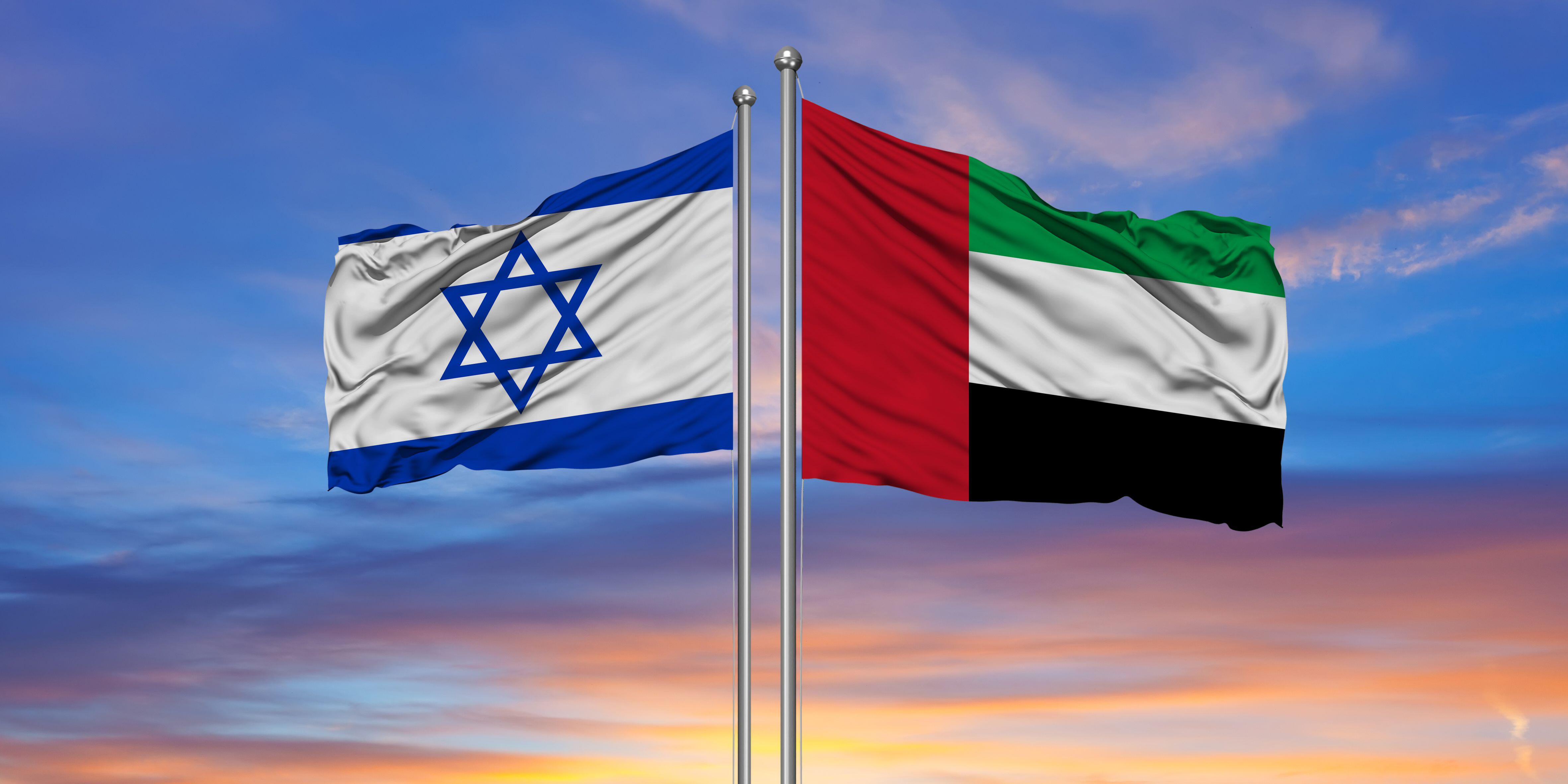


Israel and the United Arab Emirates (UAE) have been collaborating to combat cyber threats, particularly distributed denial-of-service (DDoS) attacks. The head of cybersecurity in the UAE, Mohamed Al Kuwaiti, expressed his gratitude for this partnership during his speech at the Cyber Week conference in Tel Aviv. He mentioned that attacks are constantly occurring and praised the Abraham Accords, which were implemented last year to strengthen Middle East relations. Al Kuwaiti stated that the relationship with Israel has helped them develop an early warning system to repel cyberattacks effectively.
Gaby Portnoy, the director general of the Israel National Cyber Directorate, also attended the conference and joined Al Kuwaiti on stage. Representatives from Bahrain, Morocco, and the US were present as well, highlighting the importance of cybersecurity for all nations. Al Kuwaiti recognized the contribution of Israeli startups in building a strong cyber defense system, stating that they have been assisting the UAE in expanding their cyber dome to defend against cyber threats.
The declaration regarding the DDoS attack came at the same time as the announcement of the Crystal Ball project. This project aims to enhance intelligence sharing between Israel and the UAE by facilitating collaboration and knowledge sharing to detect and repel hackers on a national level. Private industry has provided support for this joint effort. Brian Honan, CEO of BH Consulting, expressed his approval of increased international cooperation to counter cyber threats.
During the CyberWeek conference, Portnoy discussed cyberattacks initiated by the MuddyWater group against Israel. He revealed that the group is connected to Iran’s Islamic Revolutionary Guard Corps (IRGC) and was responsible for a cyberattack against the Technion Institute of Technology in Haifa. To prevent further damage, Technion had to disconnect its systems and potentially lost valuable data.
A recent blog post by Simon Kenin from Deep Instinct revealed that a custom-made command and control server was detected in the attack on Technion, and MuddyWater has been using this server since 2021. Portnoy emphasized that the MuddyWater group targets not only Israel but also civilian entities in various countries, including Turkey, Saudi Arabia, Egypt, Morocco, India, Bahrain, Oman, and Kuwait. The MuddyWater group has previously been involved in spear phishing campaigns against employees of Middle East telecom operators and cyber surveillance activities.
The collaboration between Israel and the UAE in countering cyber threats showcases the increasing importance of international cooperation in tackling these challenges. As cybercriminals continue to evolve and work in coordinated networks, it is crucial for nations to join forces to protect individuals and organizations from cyberattacks. The partnership between Israel and the UAE, demonstrated through the joint efforts in repelling DDoS attacks and the Crystal Ball project, represents a significant step forward in addressing cyber threats on a global scale.