


Trump Declares Combat Operations Targeting Iran’s Regime, Provoking Missile Response
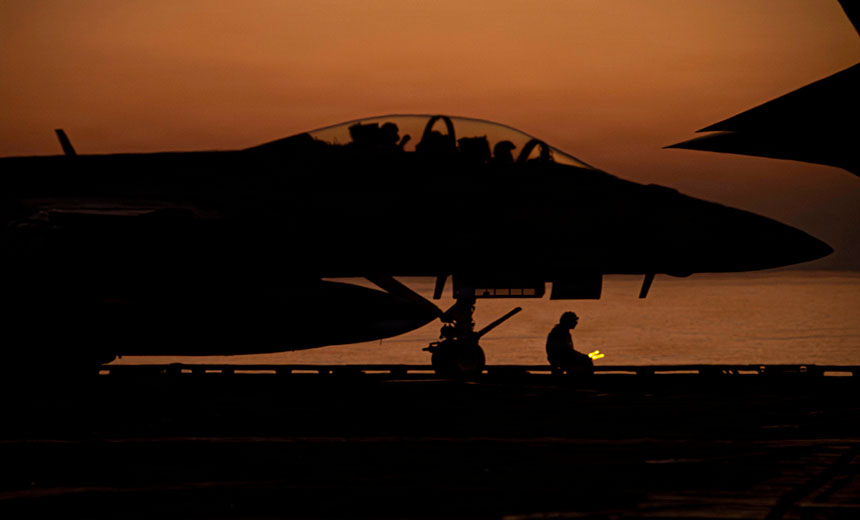
In a significant escalation of tensions in the Middle East, the United States and Israel have commenced offensive military operations against Iran. This announcement came from U.S. President Donald Trump, who proclaimed on Saturday the initiation of what he described as “major combat operations” aimed at dismantling the Iranian regime. Reports from Iranian local media indicated a series of explosions throughout Tehran, signaling the commencement of the operations.
The attacks began late Friday evening as a direct response to what Trump characterized as “imminent threats from the Iranian regime,” especially following Iran’s attempts to bolster its nuclear program. In a video address shared on social media, Trump reiterated his commitment to preventing Iran from acquiring nuclear weapons. He emphasized, “We will ensure that Iran does not obtain a nuclear weapon,” further declaring intentions to “annihilate their navy” and obliterate its missile capabilities.
Iran’s immediate reaction involved launching ballistic missile strikes targeting both Israel and U.S. military facilities in Bahrain and Qatar. In light of the ongoing conflict, numerous airlines have reportedly canceled flights to several Middle Eastern destinations, including major hubs in Dubai, Tel Aviv, and Beirut.
As the conflict escalated, pro-Iranian hackers issued threats against Israel and the United Arab Emirates. The social media platform X has since taken measures to block Iranian bots, while various Iranian news outlets have also suffered cyber breaches, highlighting the digital dimensions of modern warfare. Will Thomas, a senior threat intelligence advisor at Team Cymru, commented on this phenomenon, noting, “Every modern conflict nowadays has a cyber angle, and you can expect the recent conflict between Iran, the U.S., Israel, and the Gulf to follow suit.”
Experts have warned that Iran is likely to retaliate not just through military means but also with focused cyber attacks. Jeff Moss, founder of the Black Hat and Def Con conferences, pointed out the opportunity to study Iran’s cyber capabilities in real-time, drawing parallels to the cyberattacks observed during Russia’s invasion of Ukraine. “Be kind to your incident response and threat hunting teams!” he urged, highlighting the anticipated surge in cyber warfare.
Reports from Iranian media suggested that internet access, mobile communication, and text messaging services have been systematically disrupted across the nation. London-based internet watchdog NetBlocks reported a near-total internet blackout in Iran, with national connectivity dropping to approximately 4% of ordinary levels. This disruption aligns with similar tactics employed during last year’s conflict with Israel, reflecting a strategic approach to information control amid warfare.
This recent U.S.-Israeli military action aligns with a backdrop of significant unrest within Iran itself. In the lead-up to the attacks, the Iranian government has faced escalating protests, which human rights organizations indicated have been violently suppressed, resulting in thousands of casualties. Trump, in his speech, issued a direct appeal not only to Iranian military forces but also to the Iranian populace. He urged the Islamic Revolutionary Guard Corps and armed personnel to forsake their weapons in exchange for “total immunity” while encouraging civilians to “take over your government” once the military operations concluded.
The ongoing military campaign follows the largest deployment of American forces to the Middle East since 2003, a buildup reminiscent of preparations for the Iraq invasion. Iran’s Foreign Affairs Ministry responded to the U.S.-Israeli initiative by stating that its armed forces are “fully prepared” to retaliate, underscoring the high stakes involved in the current confrontation.
Iranian officials characterized the targeted missile strikes as assaults on their “territorial integrity and national sovereignty,” denoting the legitimacy of their defensive posture. Security analysts, however, identified vulnerabilities within Iran’s defense systems, particularly citing delays in receiving advanced air defense capabilities from Russia. William Dixon, a senior associate fellow at the Royal United Services Institute, noted that Tehran’s defenses are severely lacking. “Tehran’s skies have been left wide open to attack because of the failure of Russia to deliver last year the advanced air defense systems Iran requested,” he remarked.
The escalation of hostilities follows months of high-stakes negotiations in Geneva between U.S. and Iranian officials regarding the future of Iran’s nuclear ambitions. Although reports indicated that some progress had been made, Trump expressed dissatisfaction with the outcomes, feeling that Iran was not taking negotiations seriously. This frustration is compounded by a recent airstrike on Iranian nuclear sites, nicknamed “Midnight Hammer,” carried out by the U.S. in June 2025, which resulted in “extremely severe damage” to key facilities.
As the situation continues to evolve, the confluence of military action and cyber conflict raises critical questions about the future of stability in the region and the broader implications for international security. Trump’s call for action and the response from Iran suggest that both sides are prepared for an extended confrontation, with significant ramifications for global geopolitics.