


Cyberwarfare / Nation-State Attacks,
Fraud Management & Cybercrime
US and Israel May Have Launched ‘Largest Cyberattack in History’ Against Tehran
Organizations across Western nations and their allies are bracing for potential Iranian cyberattacks in response to ongoing strikes by the United States and Israel. As of recent reports, the early signs of an Iranian cyber counteroffensive have begun to manifest, raising concerns among cybersecurity experts.
The threat intelligence firm Anomali issued a warning, emphasizing that the situation is not merely hypothetical; Iran-backed groups have escalated their operations. This warning comes alongside the activation of Iranian threat actors, specifically those tracked under the names MuddyWater, APT42, and APT33. Anomali expressed alarm at the lack of activity from Iranian espionage group APT34, suggesting that what appears to be inactivity could actually indicate covert pre-positioning, rather than a lull in operations.
Security analysts at Flashpoint reported on Sunday that the Handala Group, linked to Iran, is actively targeting Israeli industrial control systems. Claims have emerged that this group has disrupted manufacturing and energy distribution within Israel, and they have also taken responsibility for a cyber assault on Jordanian fuel station infrastructure. Flashpoint’s experts strongly advised firms operating in sectors like energy and manufacturing in the Middle East to isolate their industrial control systems from any public internet access to mitigate risks of disruptions similar to those attributed to Handala.
Moreover, other factions within the Iranian cyber landscape, such as the so-called “Cyber Islamic Resistance” coalition, have initiated denial-of-service and data-wiping attacks aimed at U.S. and Israeli military logistics providers. Another group known as the “Fatimiyoun Electronic Team” has reportedly sought to deploy wiper malware targeting Western financial and energy organizations.
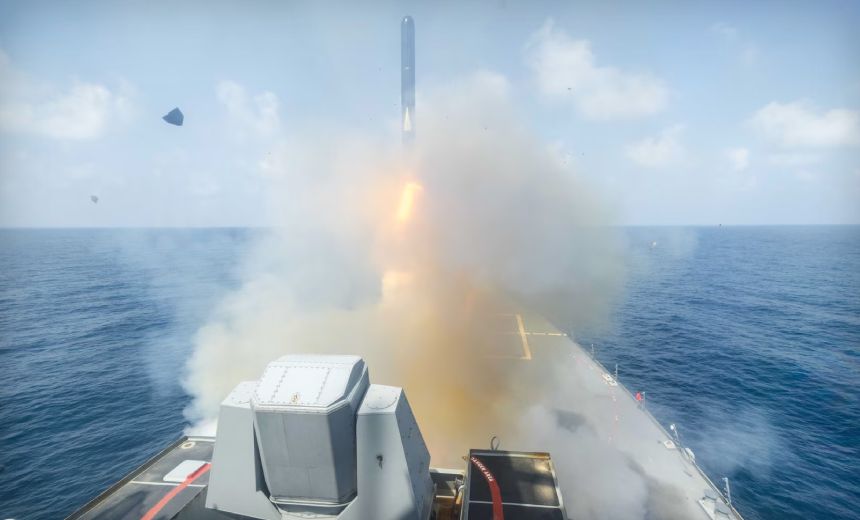
The military operations against Iran, dubbed “Operation Roaring Lion” by Israel and “Operation Epic Fury” by the United States, commenced early on Saturday, signaling a highly volatile situation. In a direct retaliation, Iran responded with missile strikes aimed at U.S.-allied neighbors, including Saudi Arabia, Kuwait, Qatar, the United Arab Emirates, Bahrain, and Jordan, as well as on Israel itself. Analysts, including Austin Warnick, director of national security intelligence at Flashpoint, have noted that the inclusion of Gulf states among the potential targets underscores the broader implications of the conflict, indicating a high-risk regional security environment.
Warnick articulated that the risks extend beyond immediate military engagements. The repercussions could involve retaliatory cyber operations that may disrupt critical infrastructure and air and maritime corridors vital for global commerce.
SentinelOne, another cybersecurity firm, highlighted that cyber operations in the region often coincide with periods of heightened tension. They cautioned organizations—particularly in the sectors of government, critical infrastructure, defense, financial services, academia, and media—to prepare for intensified cyber threats from Iran in the near term. The firm noted that Iran has historically leveraged cyber operations for asymmetric retaliation and strategic messaging, thus indicating a likelihood of escalated activity.
The geopolitical landscape has become exceedingly precarious for Iran, particularly with U.S. President Donald Trump’s calls for the regime’s overthrow. The Iranian leadership, including Ayatollah Ali Khamenei, has already suffered significant losses due to recent strikes, heightening fears of widespread unrest. Reports suggest that protests have erupted in the Islamic world, particularly with the assassination of Khamenei triggering considerable outrage.
In what has been described as potentially the “largest cyberattack in history,” the ensuing chaos from missile strikes reportedly led to a drastic decline in Iranian internet connectivity, as observed by NetBlocks. This decline aligned with an intensified military response and raises questions about the strategic targeting of Iranian communications infrastructure by Israel. While Western intelligence sources speculate about the motivations behind this disruption, it remains uncertain whether Iranian authorities intentionally severed internet access to mitigate national security threats.
As analysts scrutinize Iran’s capacity for launching retaliatory cyberattacks, they must consider the implications of its potentially crippled communications infrastructure. Despite the challenges posed by recent military engagements, experts argue that Iran’s cyber capabilities may not be easily thwarted, as pre-positioned implants, foreign-based operatives, and proxy groups may still function autonomously, independently of domestic limitations.
The prospect of Iranian hackers targeting American infrastructure could emerge against a backdrop of challenges for the U.S. Cybersecurity and Infrastructure Security Agency (CISA), which is currently facing staffing shortages due to a defunding crisis at its parent agency, the Department of Homeland Security. As the U.S. strikes began, CISA underwent leadership changes, signaling instability at a crucial time for national cybersecurity preparedness.
While Iranian factions may not possess the same notoriety as their Russian and Chinese counterparts, their track record in targeting Western organizations has raised alarms. Recent reports by Microsoft and Check Point Research highlight successful campaigns by IRGC-aligned groups against U.S. and Gulf state interests, demonstrating their capability in the cyber realm. As tensions escalate, both Iranian and Western entities remain on high alert, recognizing the potential for cyber warfare to significantly impact regional stability and global commerce.